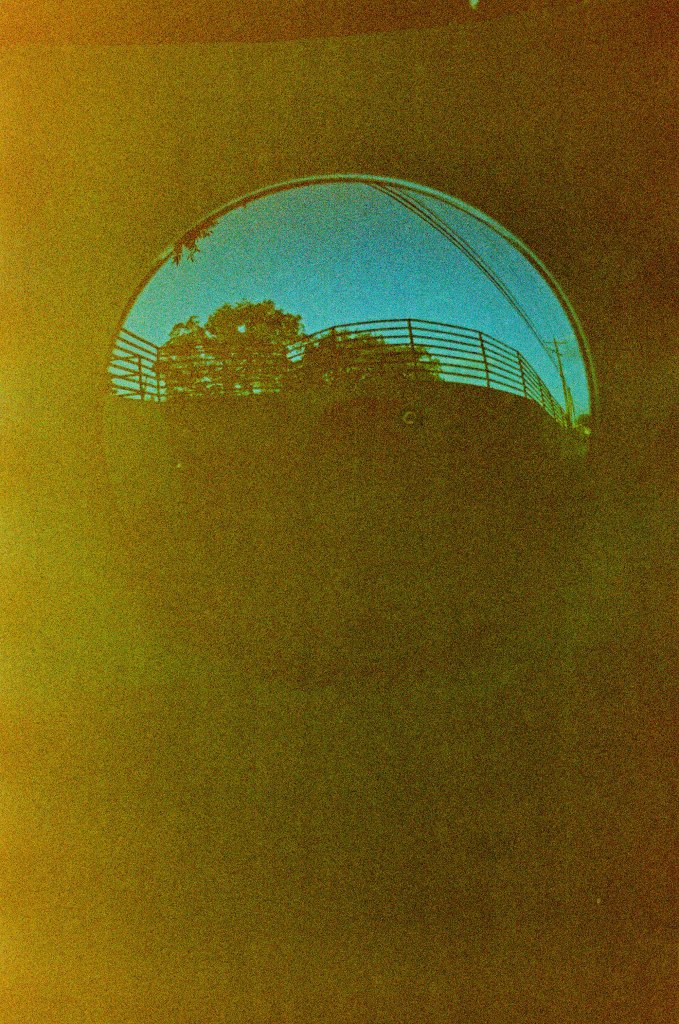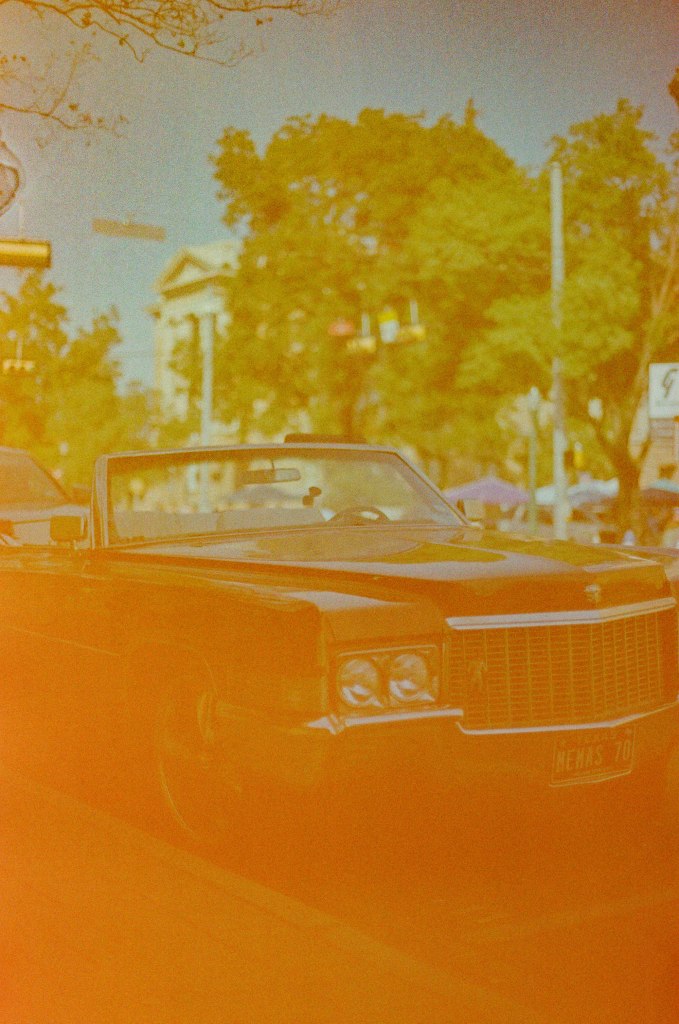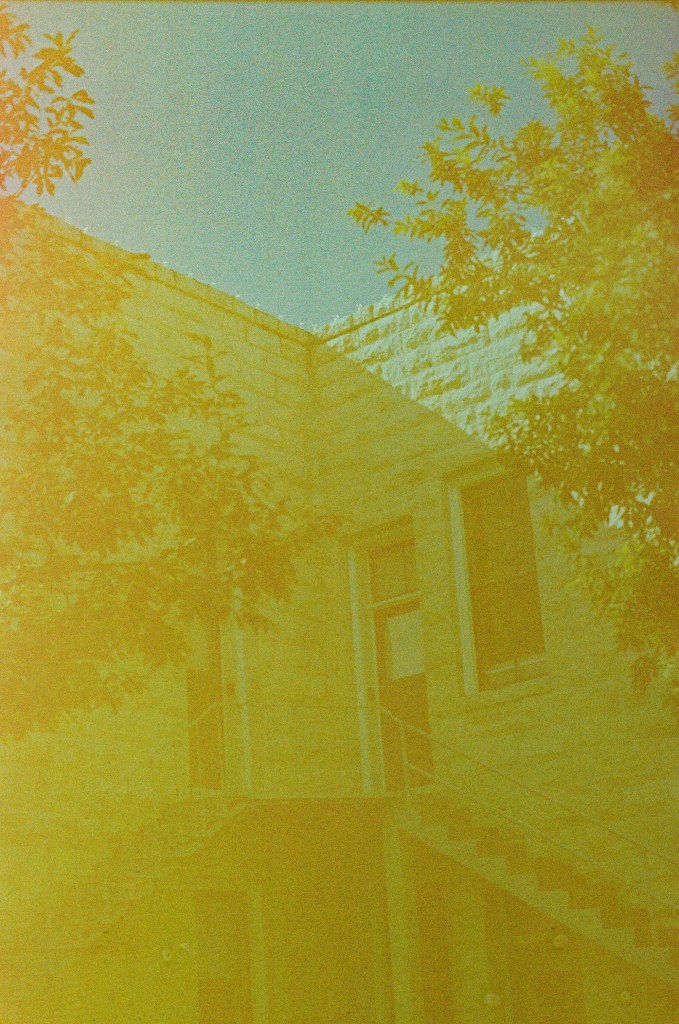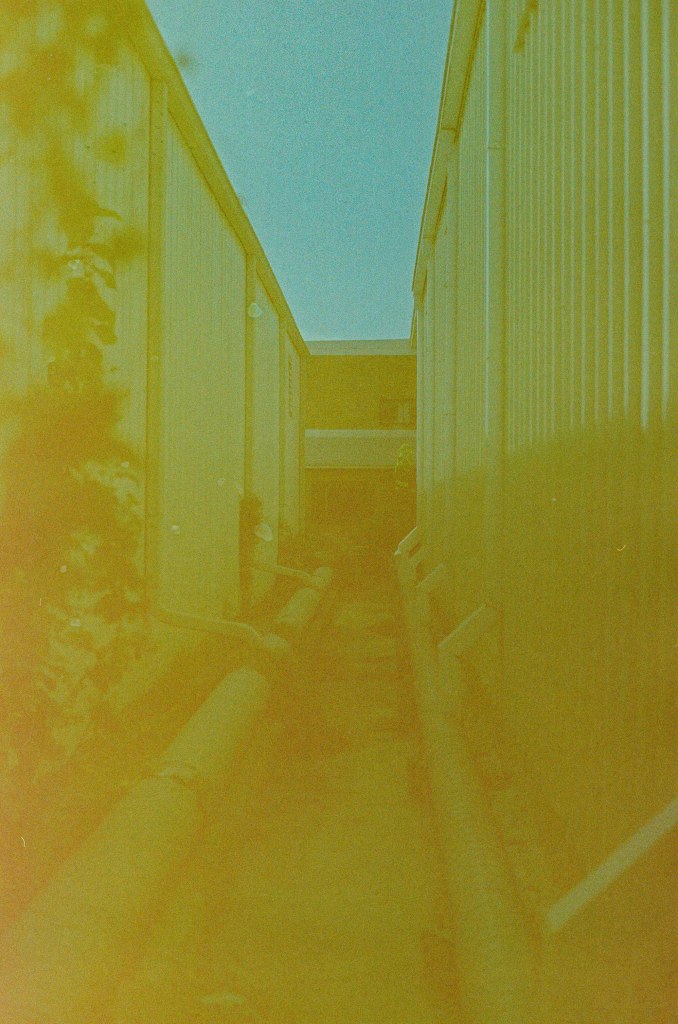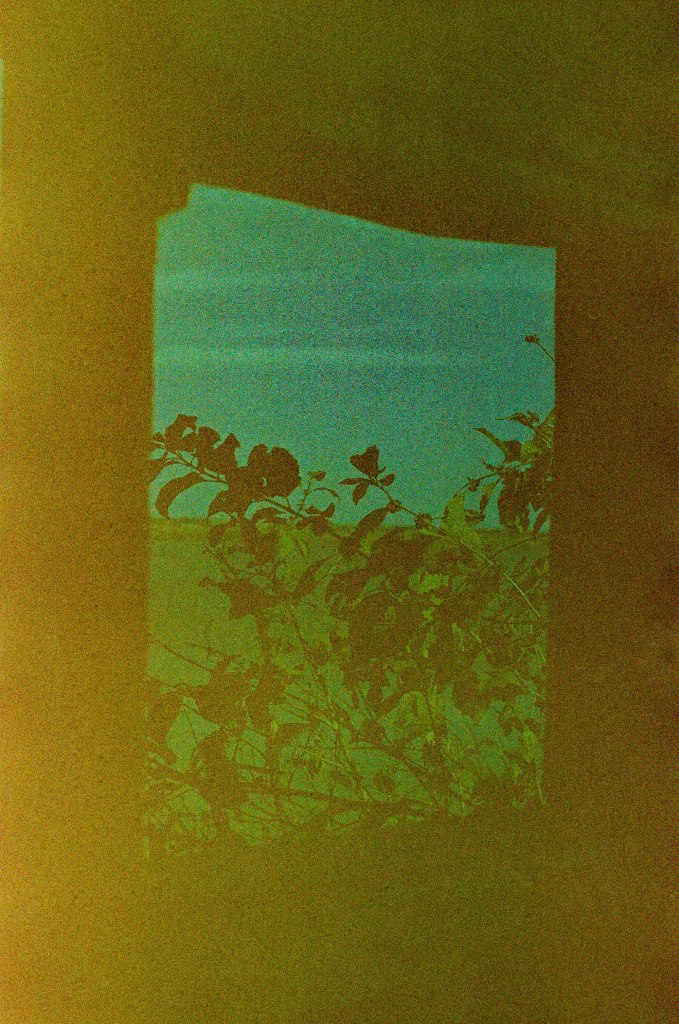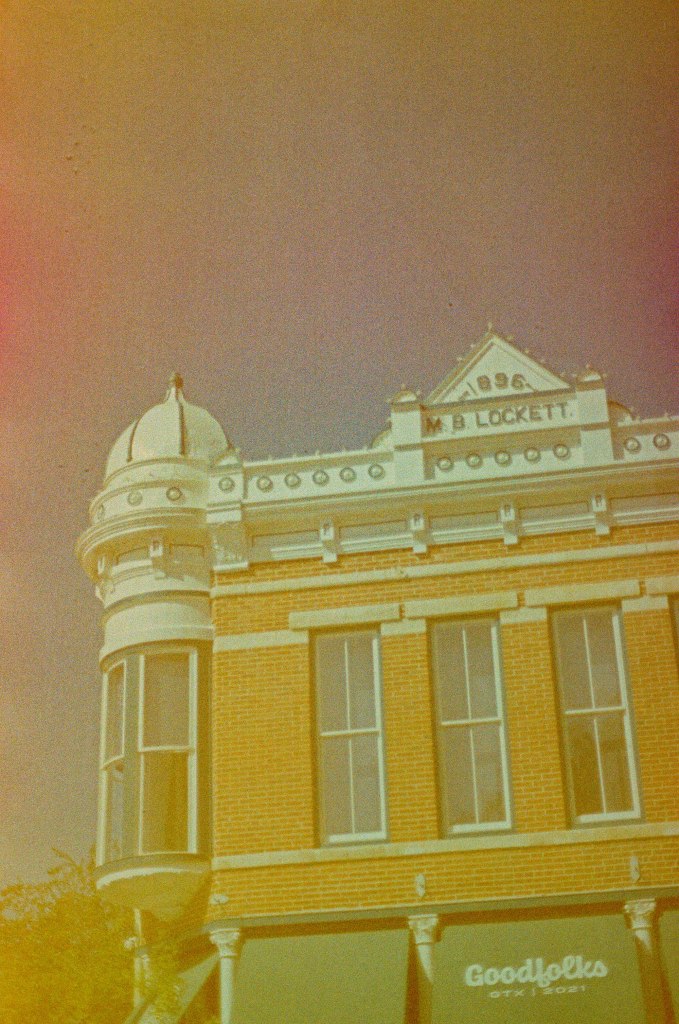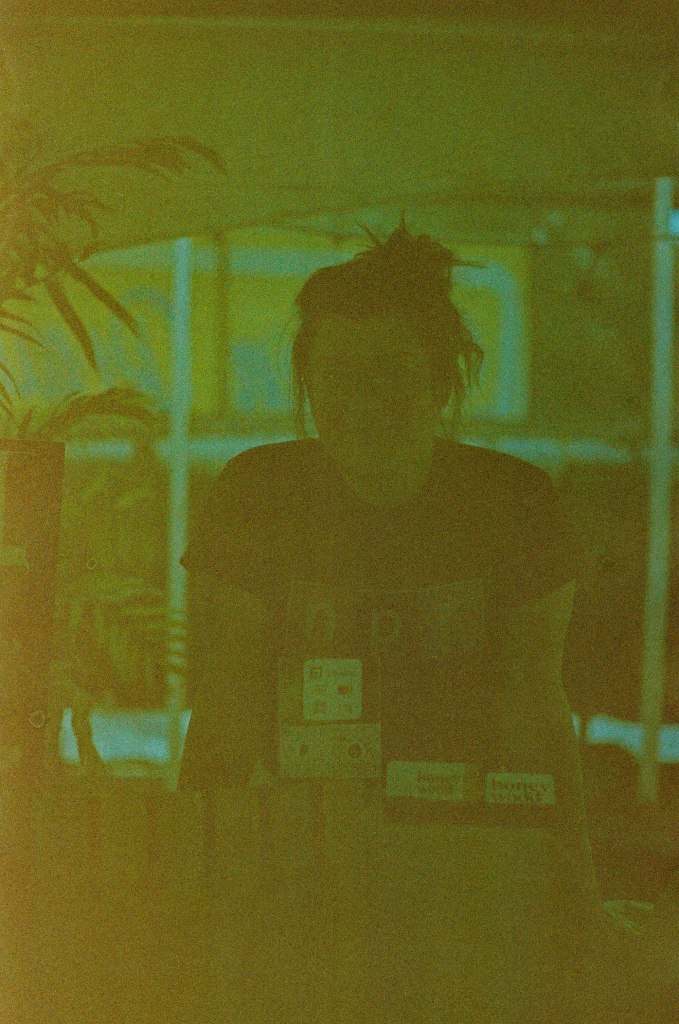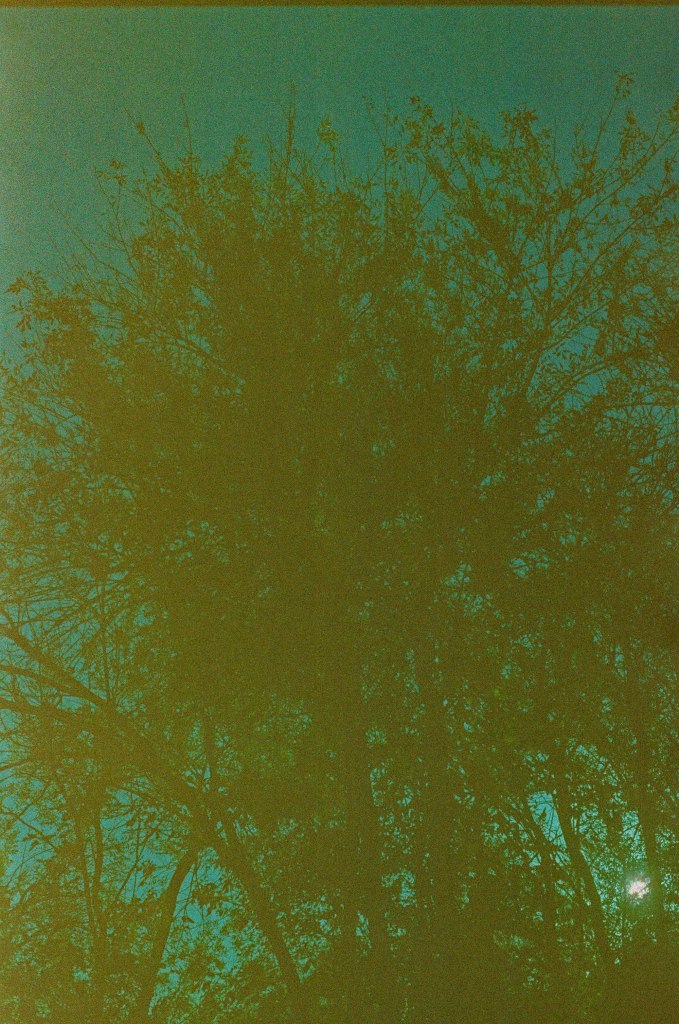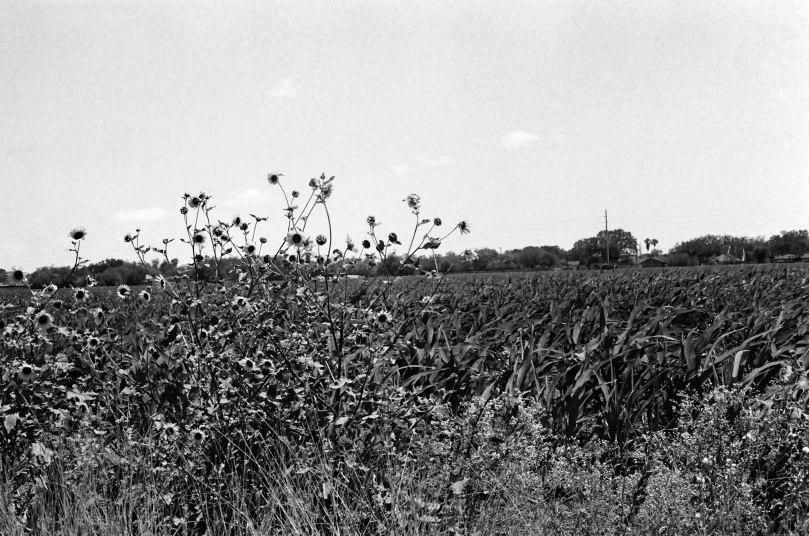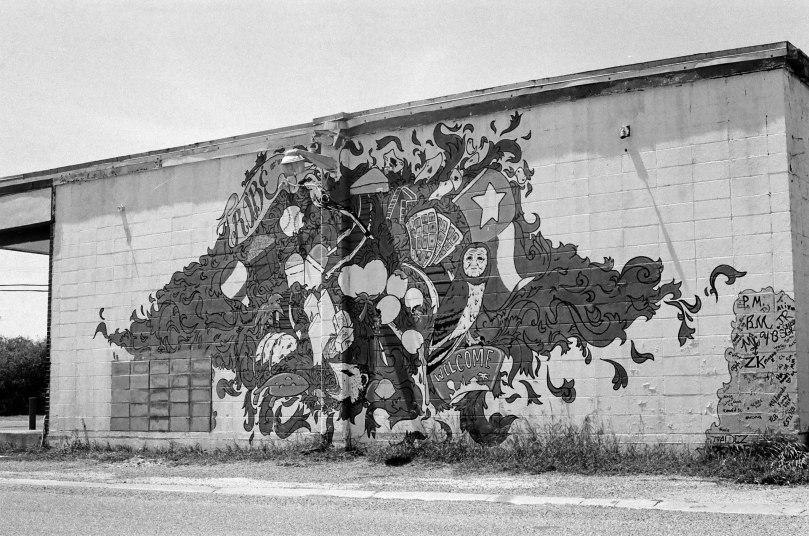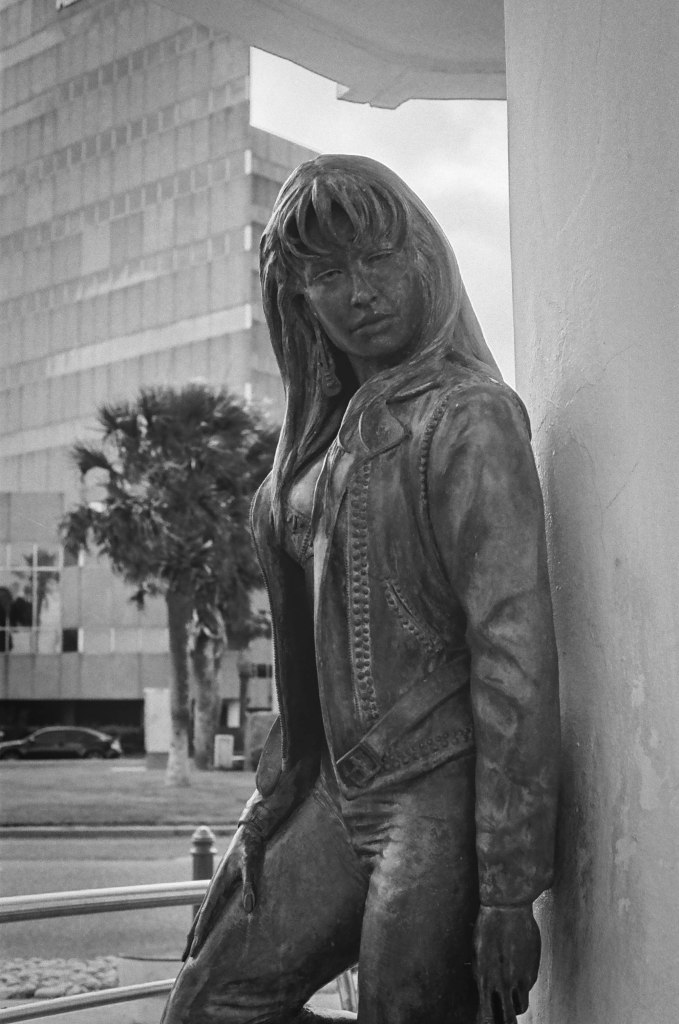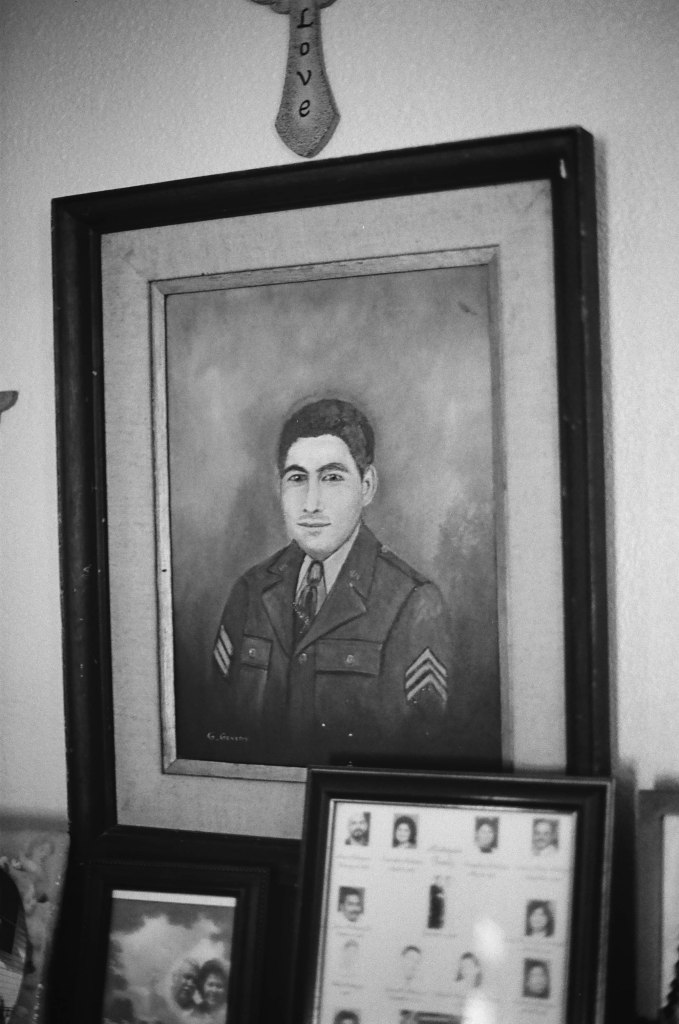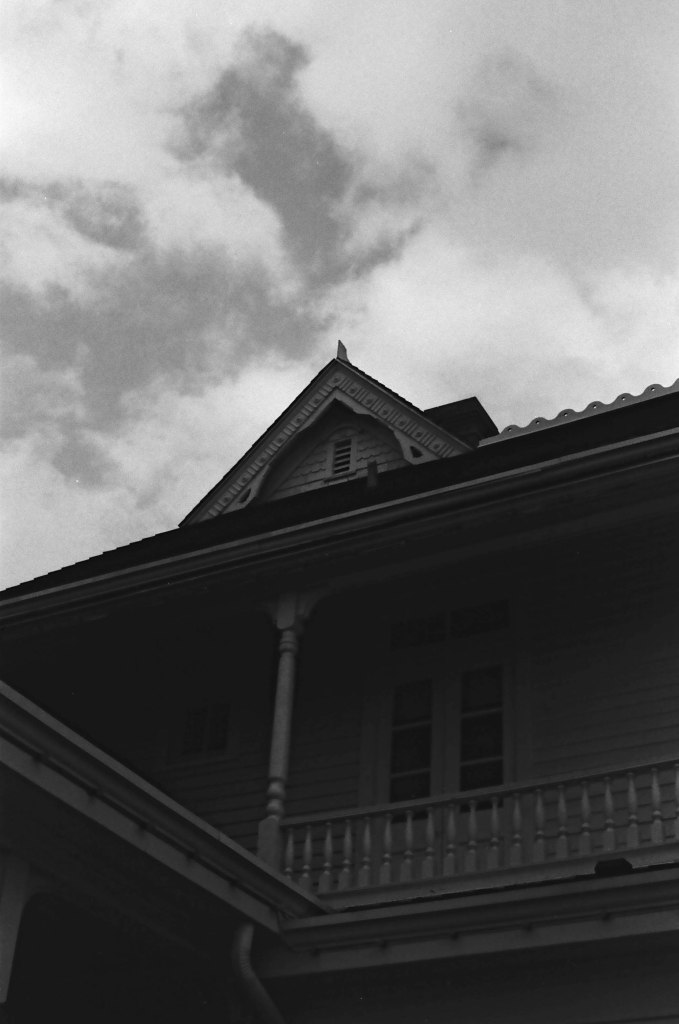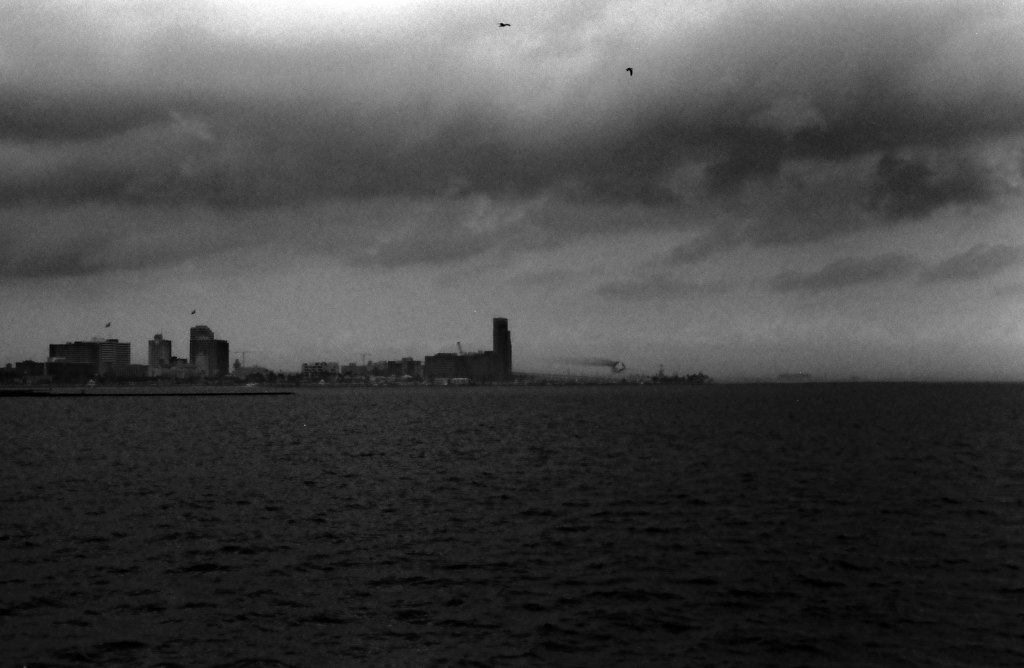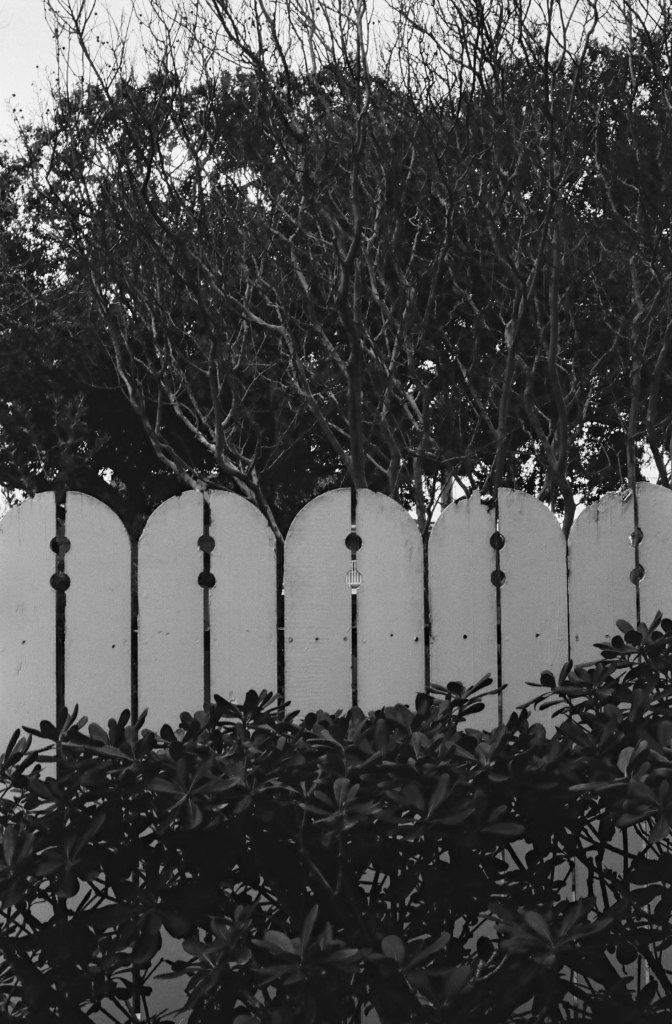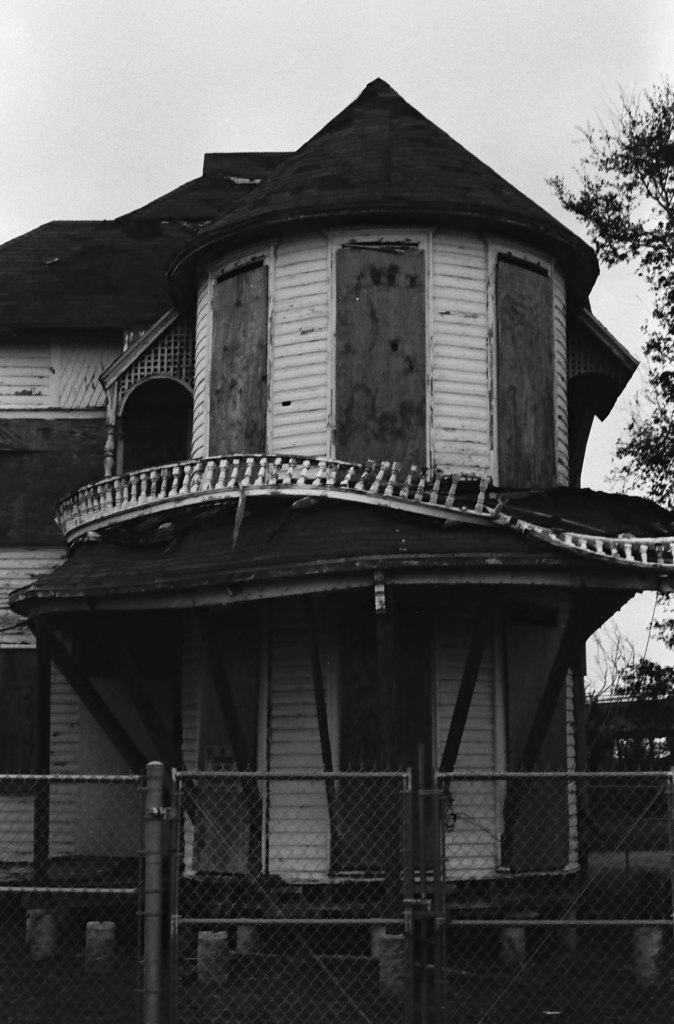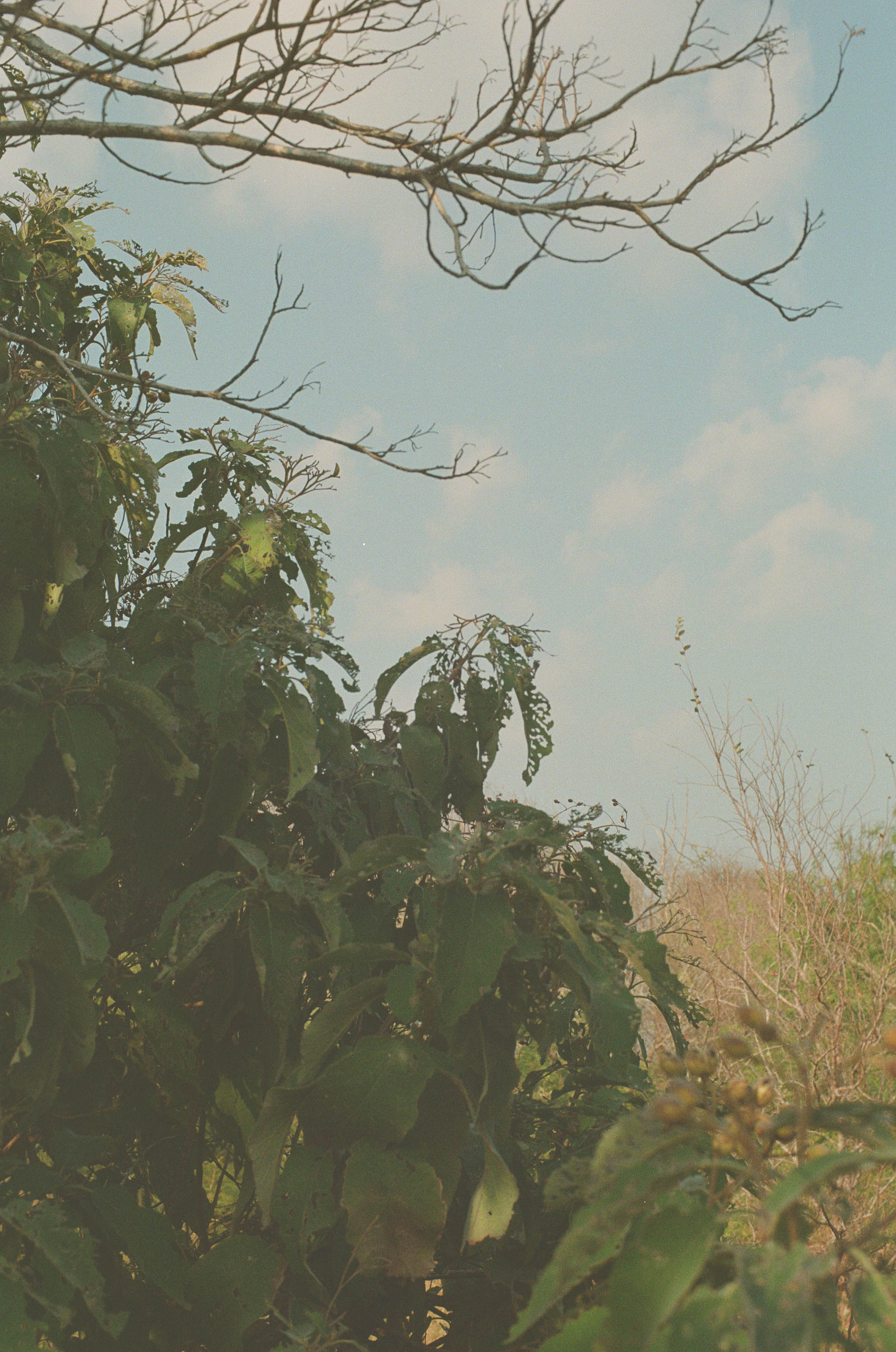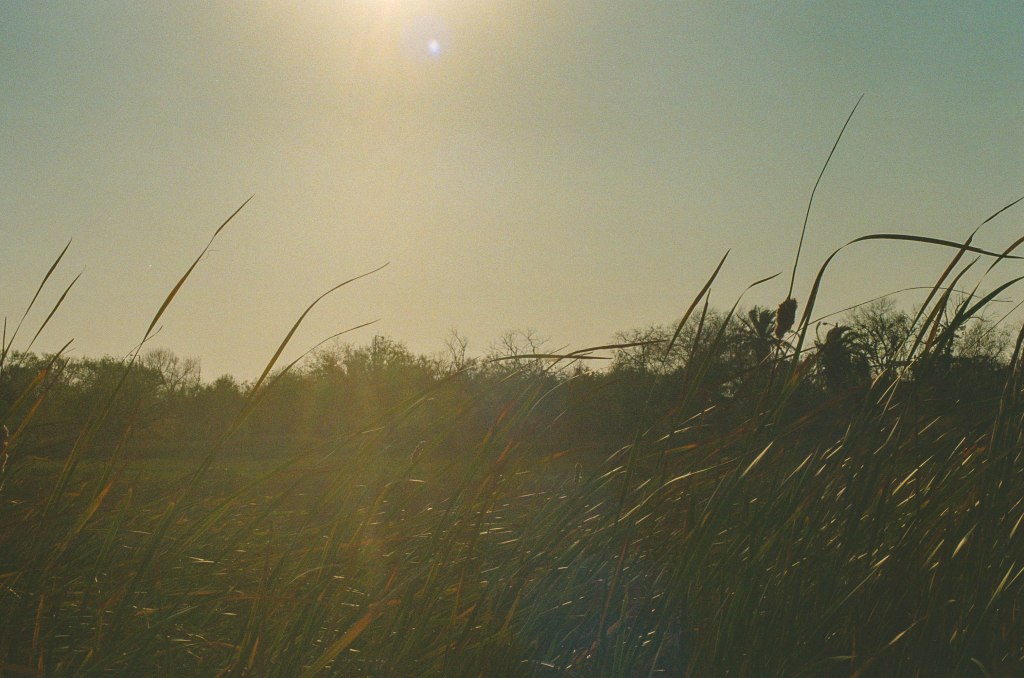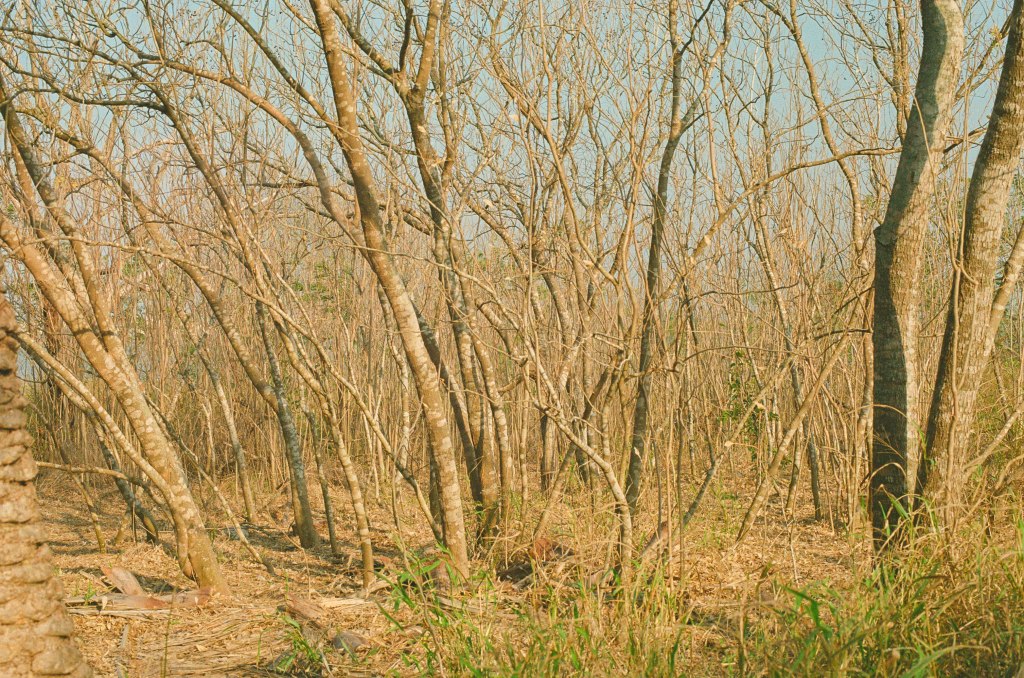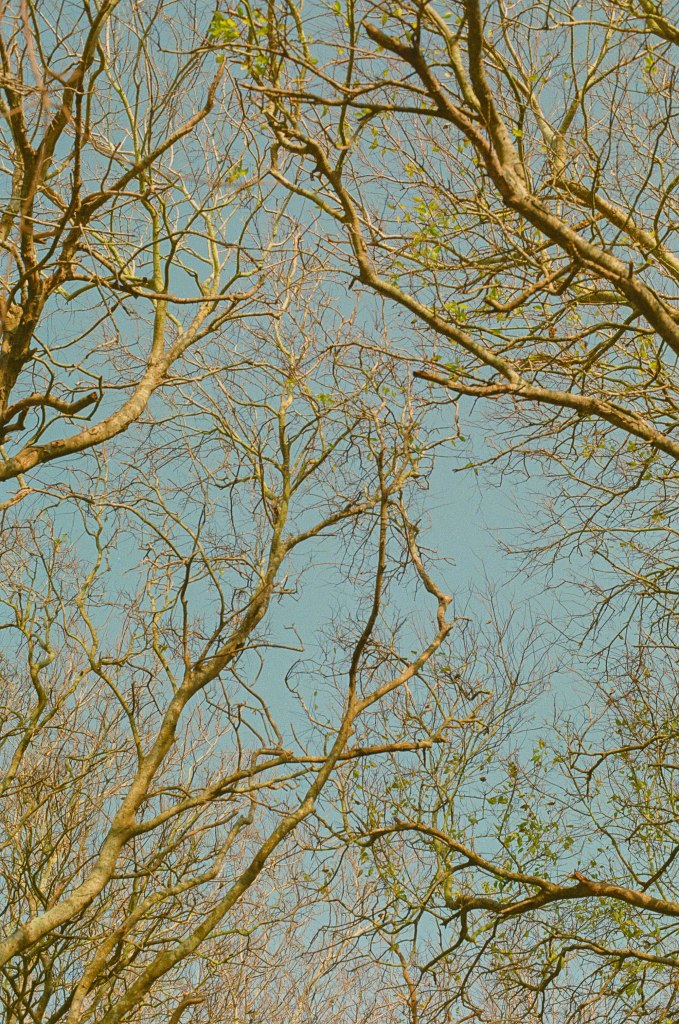
Photo Log #6: Home for the holidays

Let’s get this outta the way first: Yes, I know I’m writing a holidays blog post during Spring Break.

Suffice to say, it’s been a busy year already. Busy, but also exciting.

I’d been meaning to sit down and update this blog with a new installment, though, and it seems I’m in one of those lulls where my body is finally forcing me to slow down — i.e., I’m currently on the mend from a nasty sinus infection. So what better time to catch up on some writing?

As you may have gathered from the title, I made my way down to Corpus for the holidays — outrunning a bitter arctic front that made for an interesting contrast between 30°F Austin and 60°F sunny Corpus by the time I rolled in. Of course, the front caught up with me eventually but what better way to combat the cold with the warm feelings of being around family and friends for the holidays and my birthday?
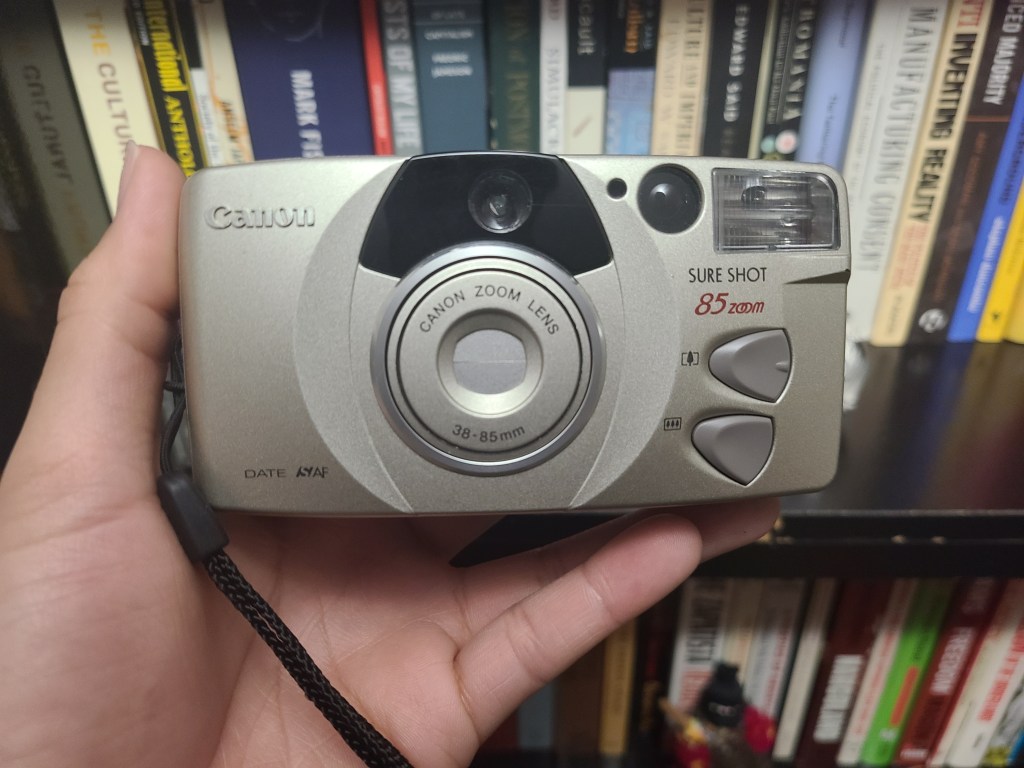
A nifty gift from the homie.

OK, that was purposely corny because it was indeed cold af for a good chunk of the trip. Nonetheless, I was still able to make some time to do a bit of shooting. And fair warning, I worked with a bit of new stuff this trip so this is a bit of a longer entry.

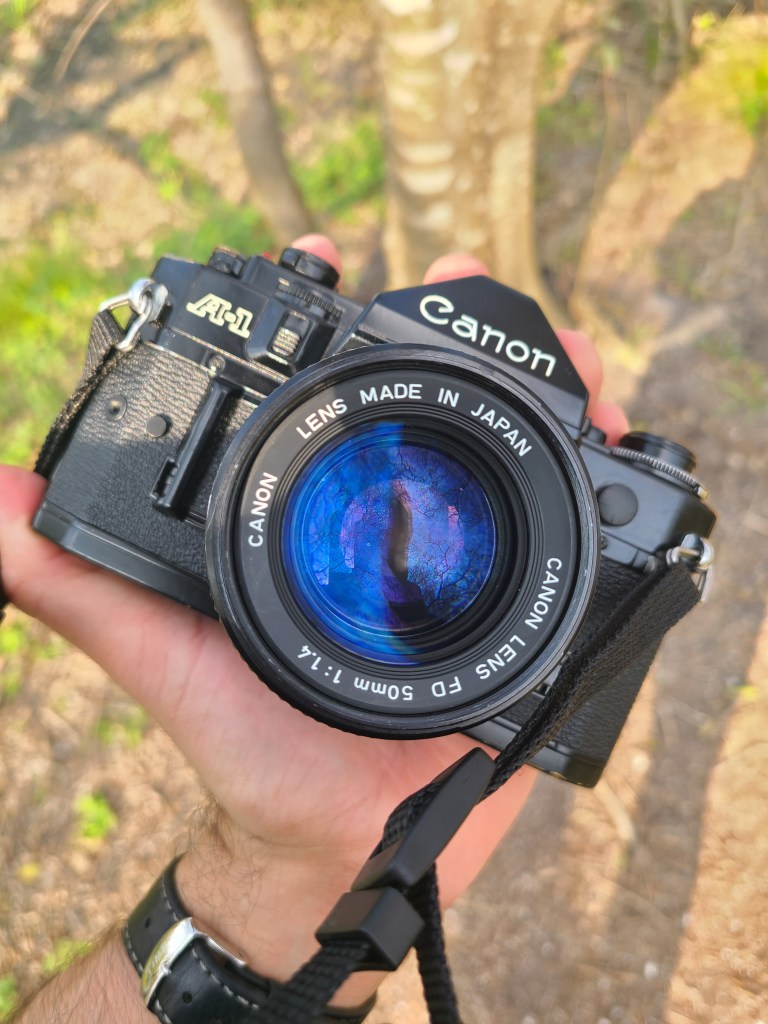
In tow with me was the trusty Canon A-1 and a nifty new addition to the team — a Canon Sure Shot 85 Zoom point-and-shoot gifted to me by the ever-generous film guru, Luis (@luisesoteric). I’d been in the market for a good point-and-shoot for a while for when I want something compact to carry around, and this little piece seemed poised to fill that role nicely.

I had actually loaded it already with some Kodak Ultramax 400 while in Austin and did some shooting before heading down, so I’d say I was about halfway through the roll at least before I got to Corpus. But in the Canon A-1, I had something I’d been excited to try out for a good while now — CineStill 800T.

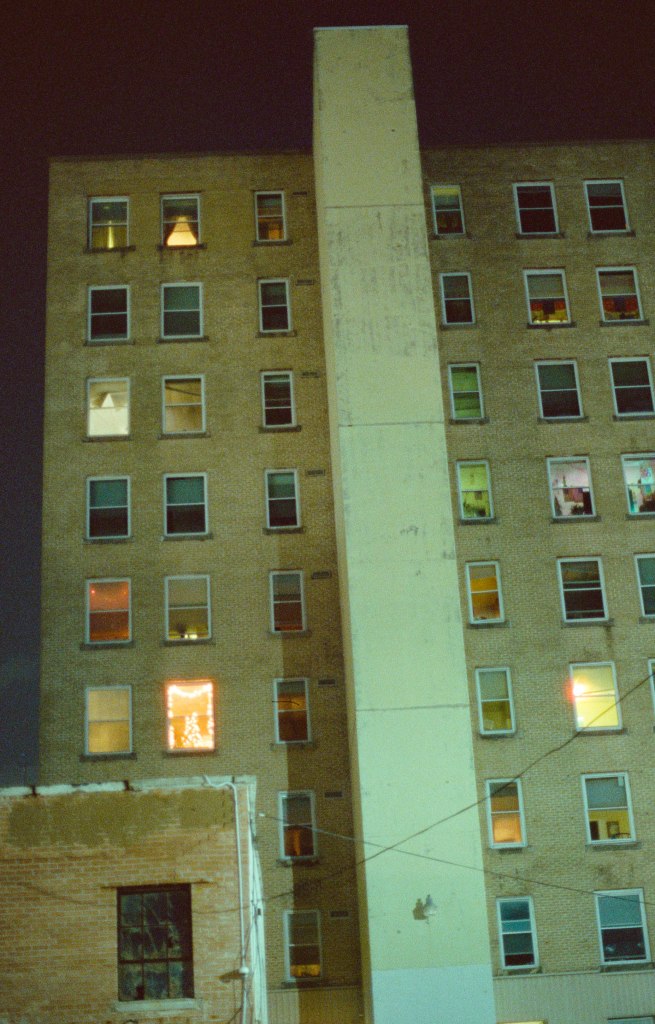
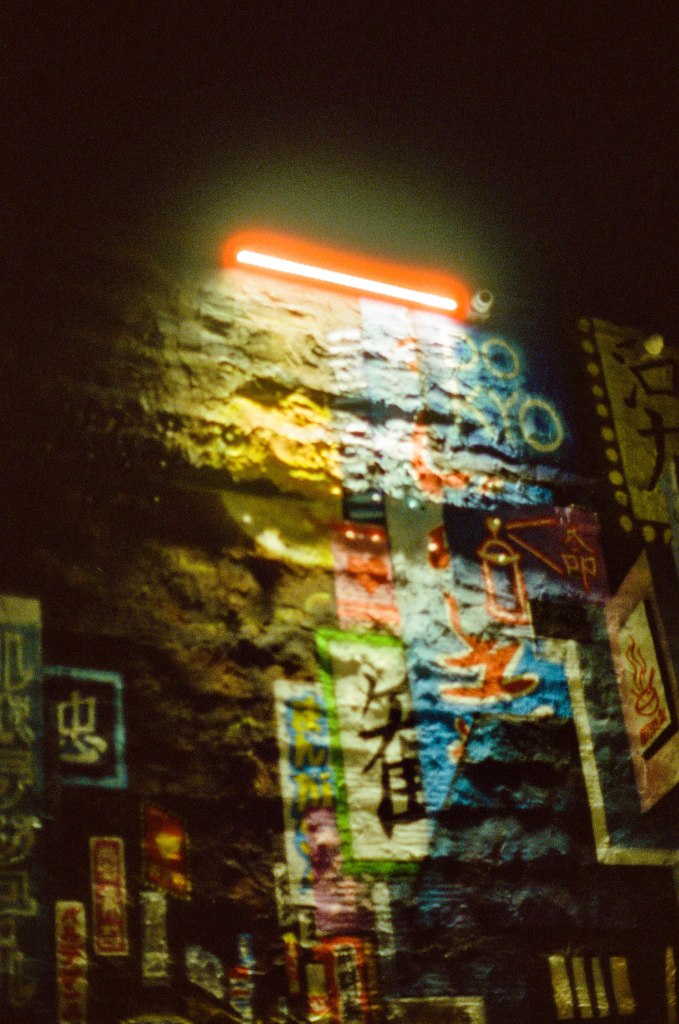
Some CineStill night shooting

CineStill is quite well-regarded among the film photography community from what I’ve gathered, I think partly because they’re one of the few major entities still releasing new stocks. But if I were to guess, I’d say the 800T is their bread and butter — the first they released and one that really shines in the night photography shooting that I think this particular stock is prized for.

That’s partly because, aside from being an 800 ISO film and thus better suited for low light situations, it’s also known for producing “halations,” or these distinct glows around tungsten light sources in images. The reason is because CineStill is repurposed motion picture film in which a layer is removed to make it possible to develop in the typical chemicals used for film photography — it’s that layer that would usually protect against the halation effect. For a better, or maybe funnier, explanation, here’s a rundown from my favorite film photography YouTuber.
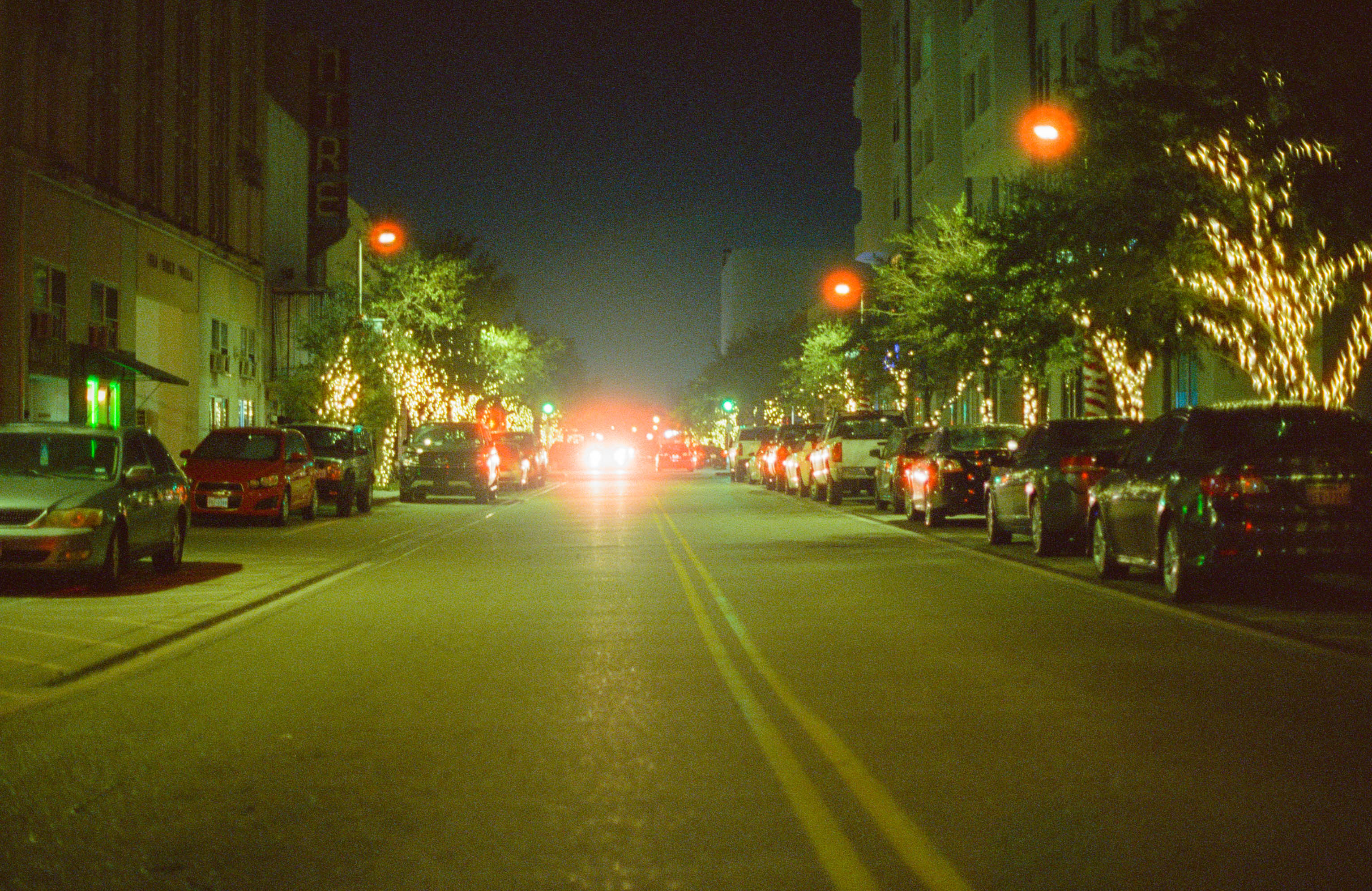
Note the orange glow around the streetlights and headlights. Do not note that this photo is partly out of focus.

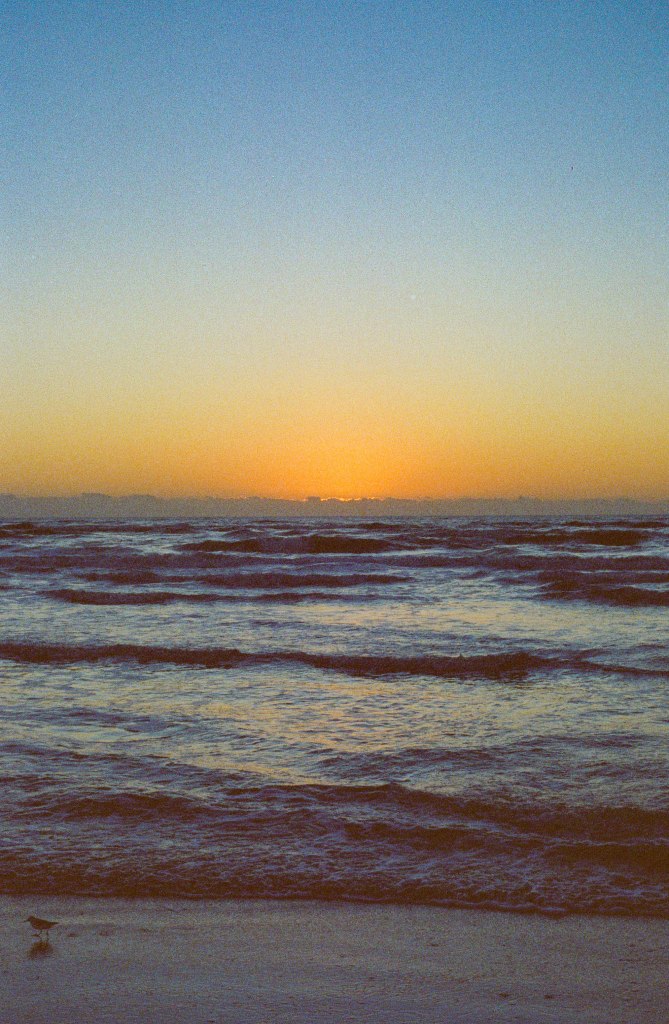
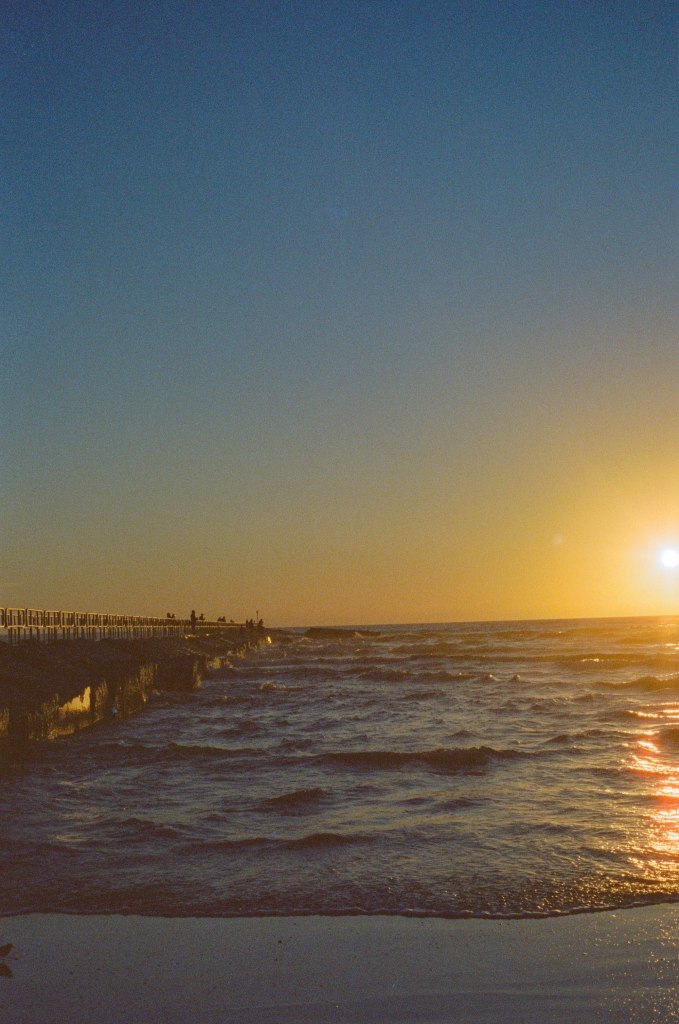
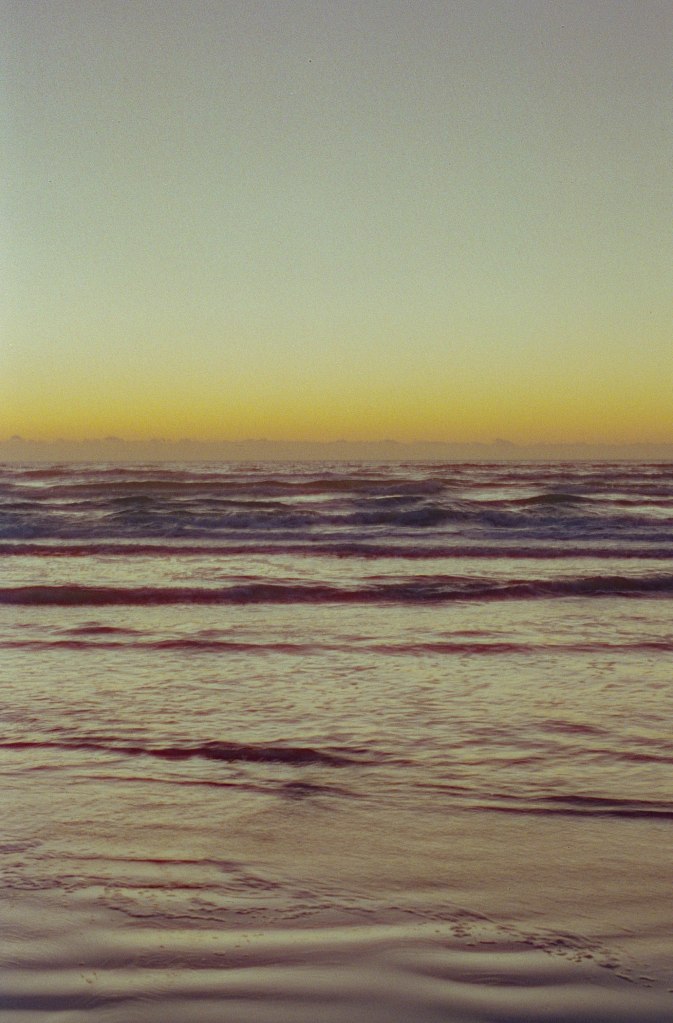
I had planned on hitting up Luis to do some night shooting while I was in town but my first few shots with the stock actually came when I went with my mom to watch the sunrise on the beach — one of her favorite activities and one I’m always happy to share (when I can wake up in time).

In my very half-baked thinking I figured that early morning hour of sunrise was the kind of low light setting a high-speed film like CineStill would excel in. I thought perhaps I’d get something akin to another Corpus shooter whose work I’ve come to admire, analog_angell. Something dreamy, something nostalgic.
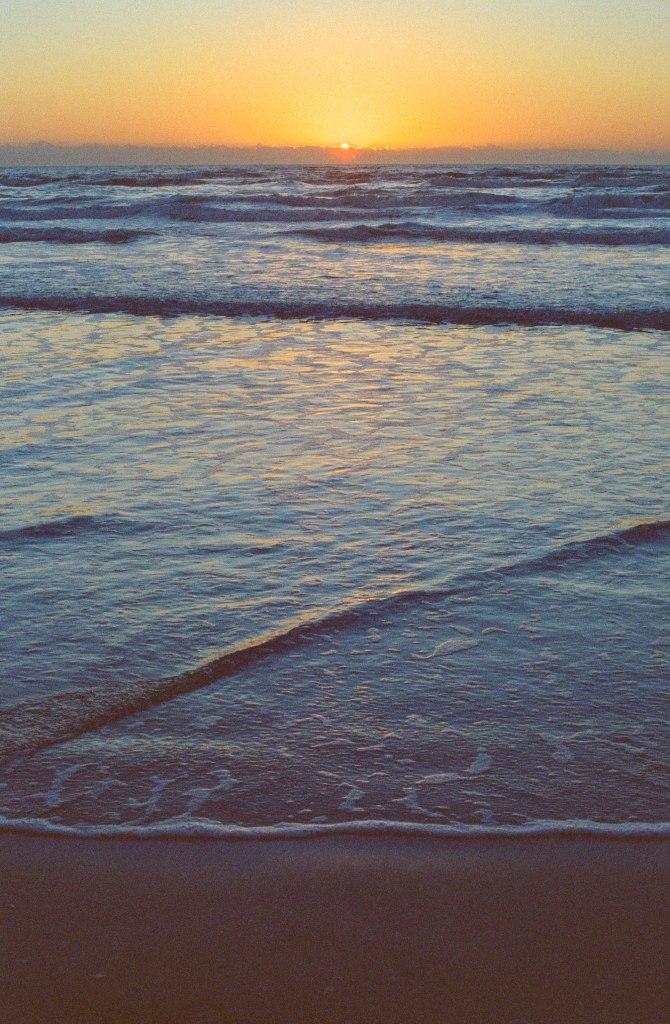
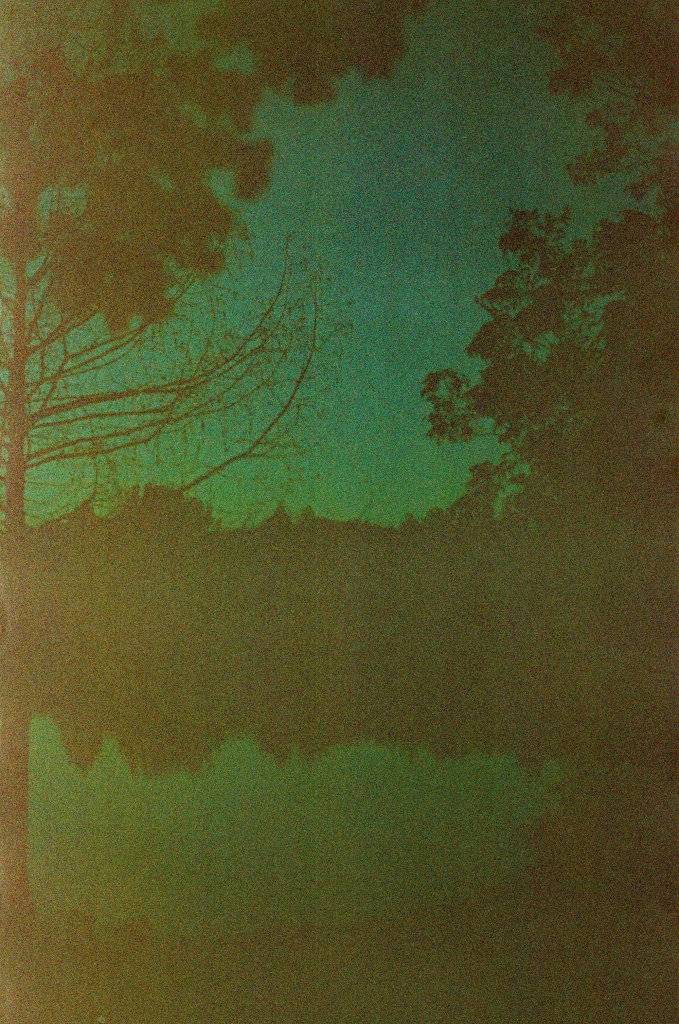
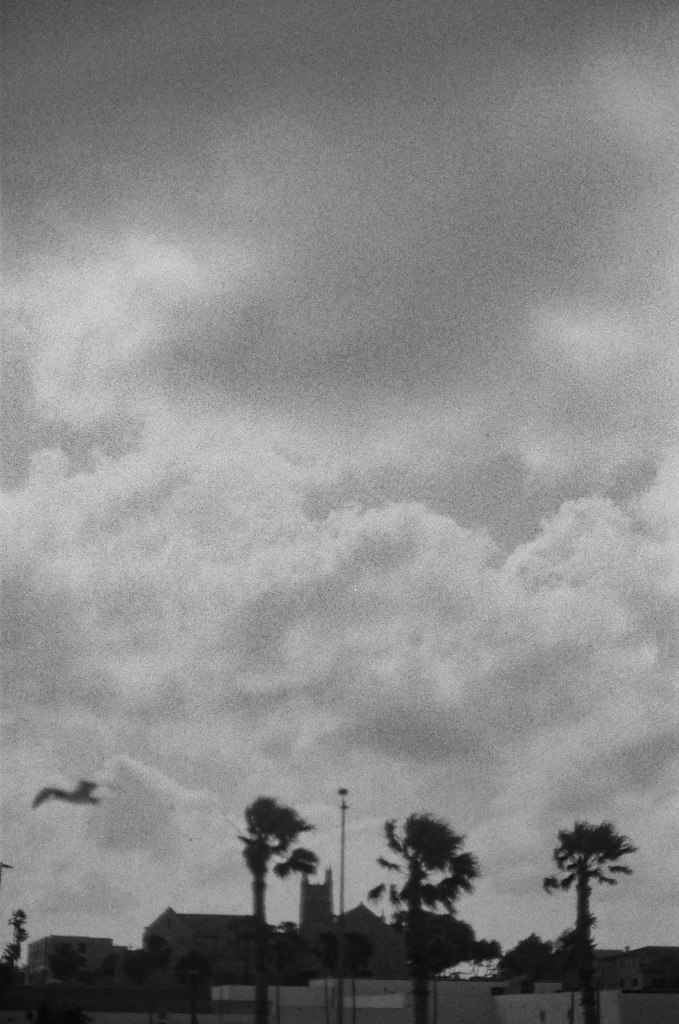
CineStill 800T, shot at 1600 ISO with a Canon A-1.

If you’ve never watched the sunrise on the beach, it really does possess in it all the wonder that you might imagine. It’s special — the crash of the waves accentuated by the quiet of the early morning, the mix of warm colors that splashes and saturates the sky as it chases away the pre-dawn blues. When looking at it from a photography standpoint, it’s actually quite difficult to capture in an image the beauty of the moment itself.

I was quite pleased, however, with how the stock rendered things. I noticed grain was particularly prevalent, and as I type this I remember one other detail — I was actually pushing this film. CineStill 800T, as the name suggests, is typically shot at 800 ISO. But I decided to push it for my first outing with it, shooting instead at 1600 ISO in the hopes that’d I’d be given even more flexibility in low light situations.

But one effect from pushing film, is you get more grain. But honestly, I really kind of dig the grain in these images. I thought it really captured that “dreamy nostalgia” feeling I mentioned above, as if the image is of a place that exists only in a distant memory.

And besides, what film photographer doesn’t like a bit of grain?

Eventually, I did meet up with Luis to do some night shooting in downtown Corpus.

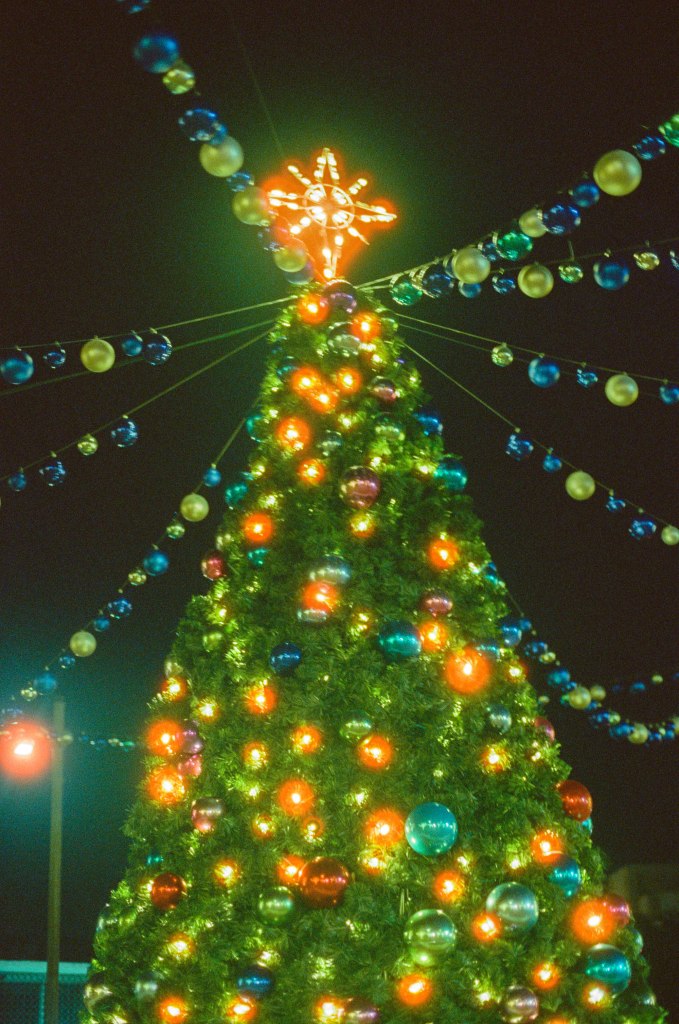
Being the holidays, I think what I was most excited for was to see how CineStill rendered all the holiday lights. But even outside that, the nice thing about downtown Corpus is it’s not really busy most nights, especially on the weeknight we went. So worries about standing out as an oddball going around shooting random stuff is a bit lessened.

I think one thing about photography that I’ve come to say more often is that I appreciate its ability to take you places. I can’t think of another hobby I’ve had that has ever motivated me as much to just go out and explore — to look at the world around me in a different way. It beckons you to wander.

That said, we may have wandered a bit too much. I still have the marking of one blister I got from my boots as we walked for blocks, guided largely by our whims.
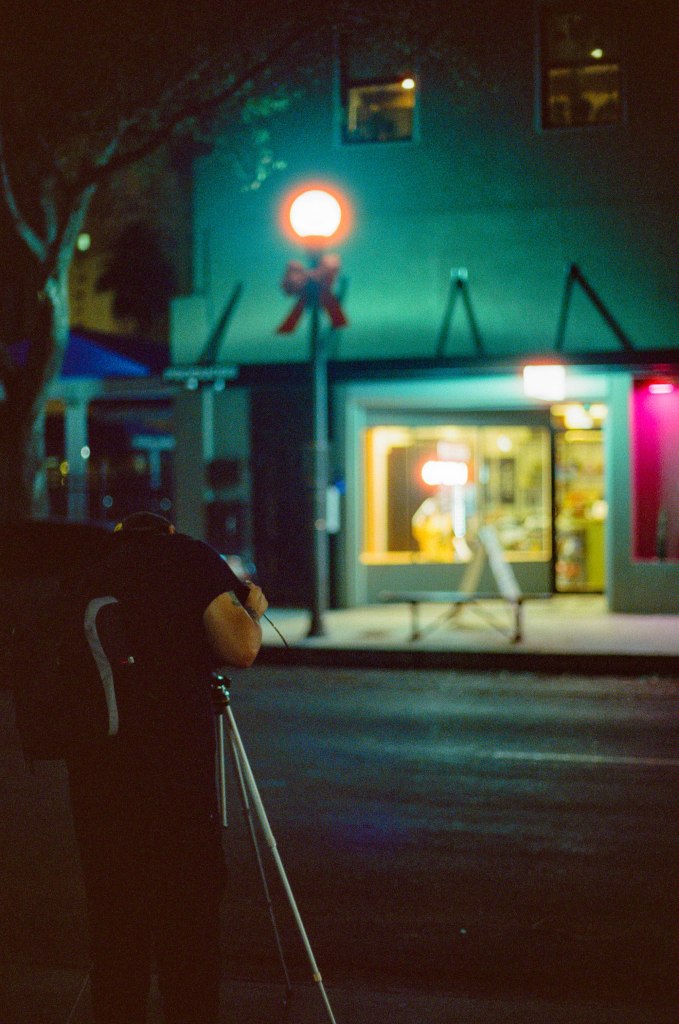
The master guru at work.

When it comes to photos, however, I was a little disappointed with what I got. I think this stems largely from my ability, however, and especially from the fact I was shooting handheld. Night shooting is often aided by tripods, giving your camera stability so you don’t have to worry about the slightest shake ruining your shot — something that your image can be especially sensitive to the less light there is.

I have a tripod, but I was kind of stubborn and left it at home thinking I’d be OK without it. Luis had the right idea, rolling with a Mamiya C330 and a tripod. I highly recommend checking out some of his shots following the link I placed to his Instagram page earlier in this post.

However, despite lackluster results on my part, it was a really fun outing. I’d been craving that kind of film walk for a long time. Sometimes just wandering around, finding scenes in the world around you with a friend as passionate about this stuff as you are can be a thrill.

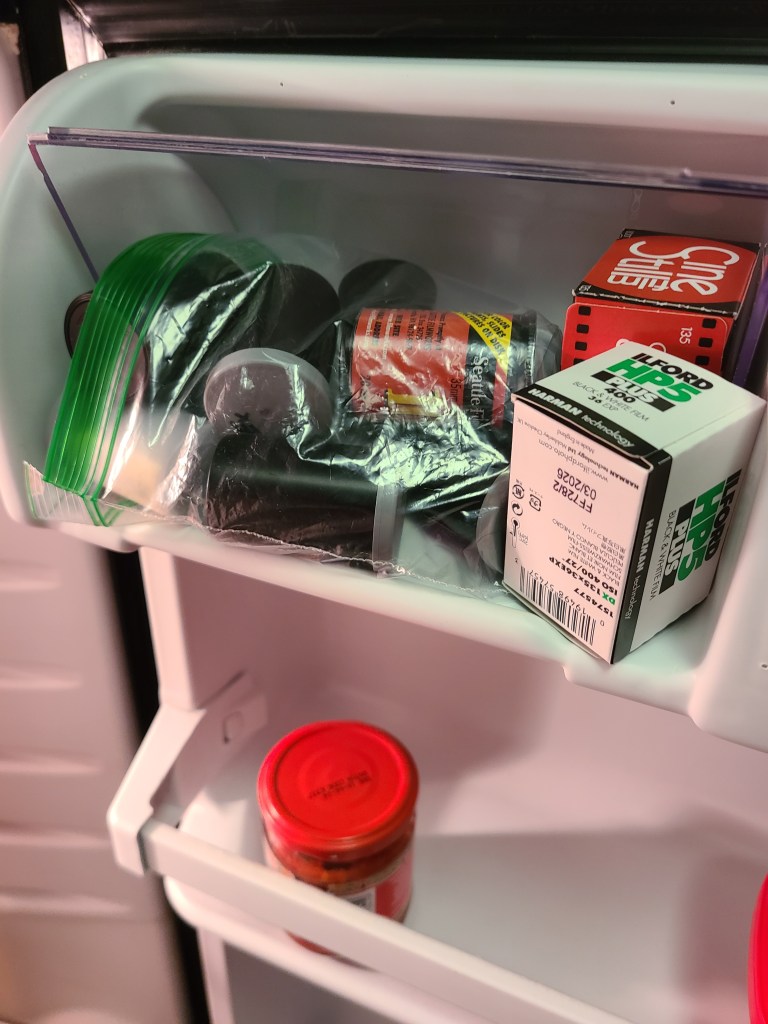
Also, I’m not at all discouraged to shoot CineStill again. In fact, I’m all the more looking forward to it. I have a roll sitting in my fridge right now, fully anticipating the next time I can make an outing with it. I know the kind of results the stock can get and I fully want to try making some great art with it in my own right.

And this is a bit of a tangent, but I was further reinvigorated after having seen Wong Kar-wai’s great 1995 film Fallen Angels for the first time recently. I won’t get into the plot of it, but it is set almost entirely at night in Hong Kong and the cinematography is just fantastic — so much so I went almost immediately down a rabbit hole after watching it to find out what kind of lens they used during filming. It was just a cinematic feast of beautiful night shooting, painted in all the neon lights you might imagine and masterfully centering the sense of big-city isolation that isn’t always easy to pull off visually.

So, yeah, there’s a little unsolicited movie recommendation for you.

Sure Shot and reminiscing in San Diego

As I mentioned, I also had a new camera in tow for this trip — a handy point-and-shoot I was excited to test out.

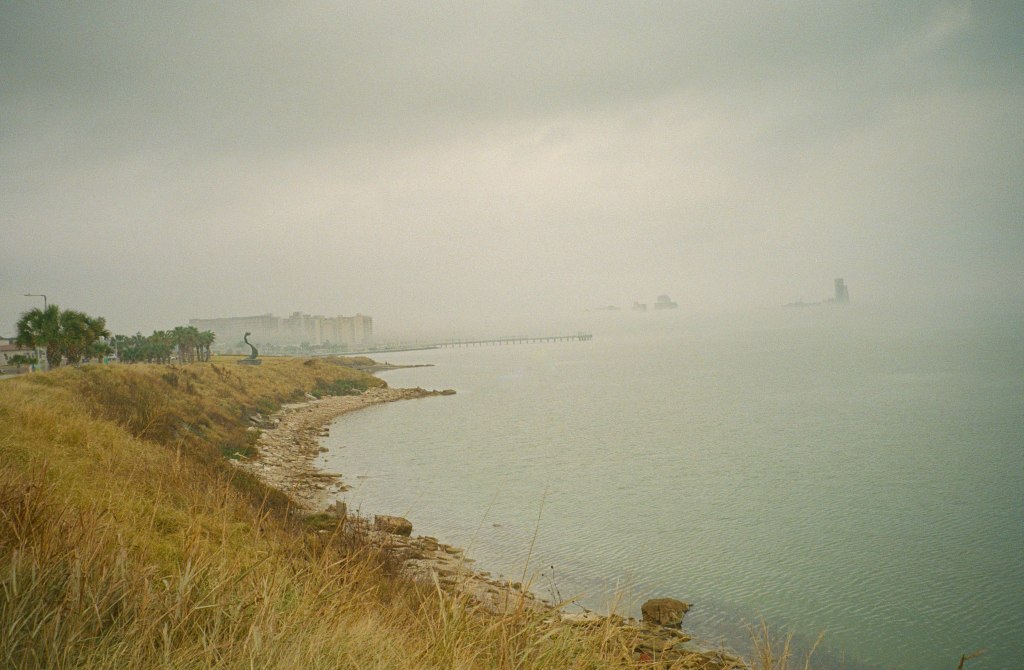
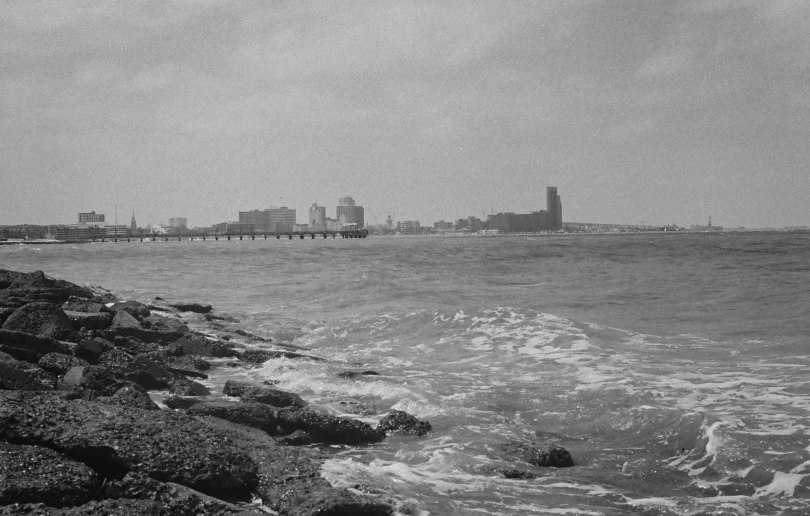
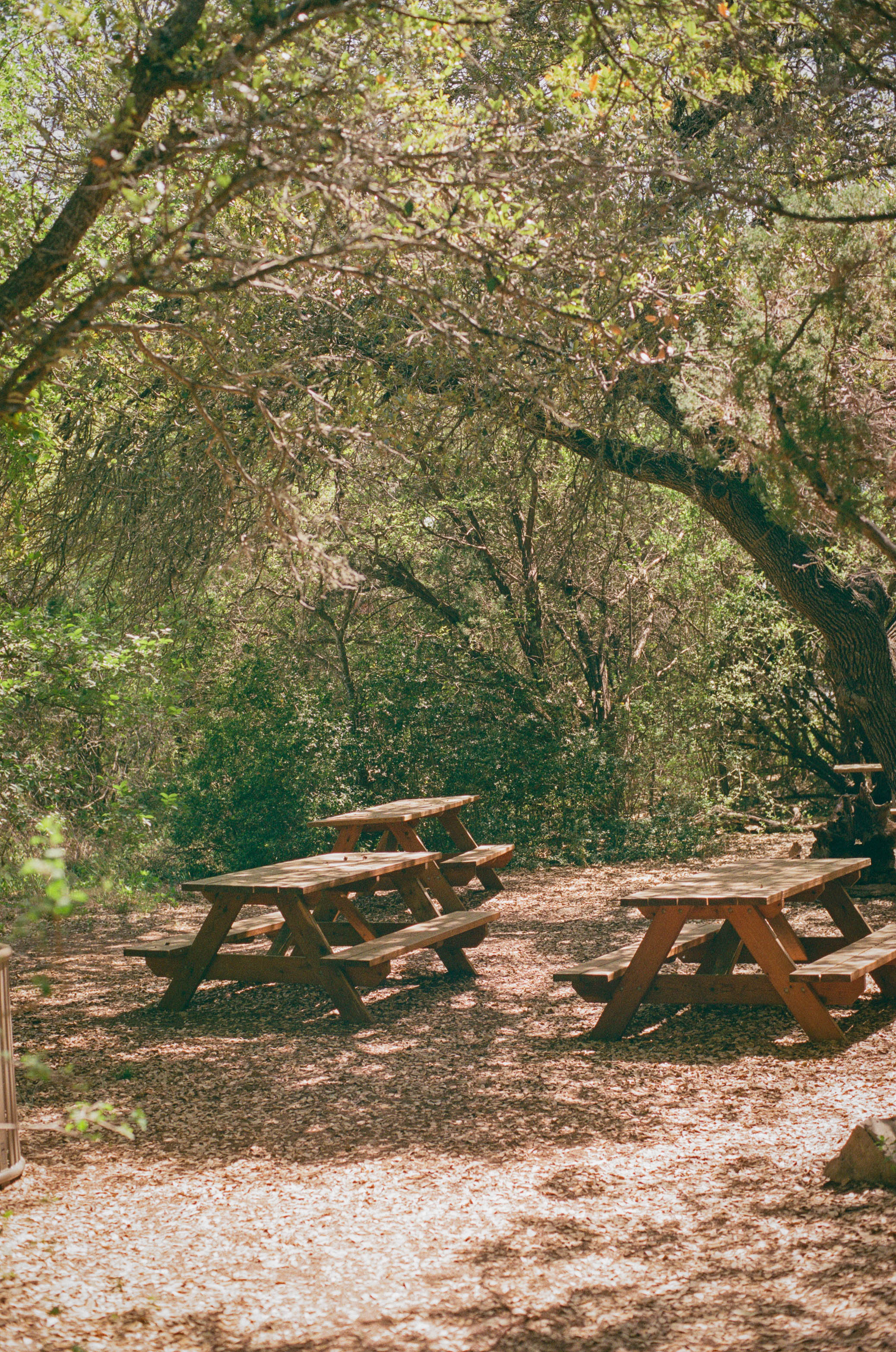
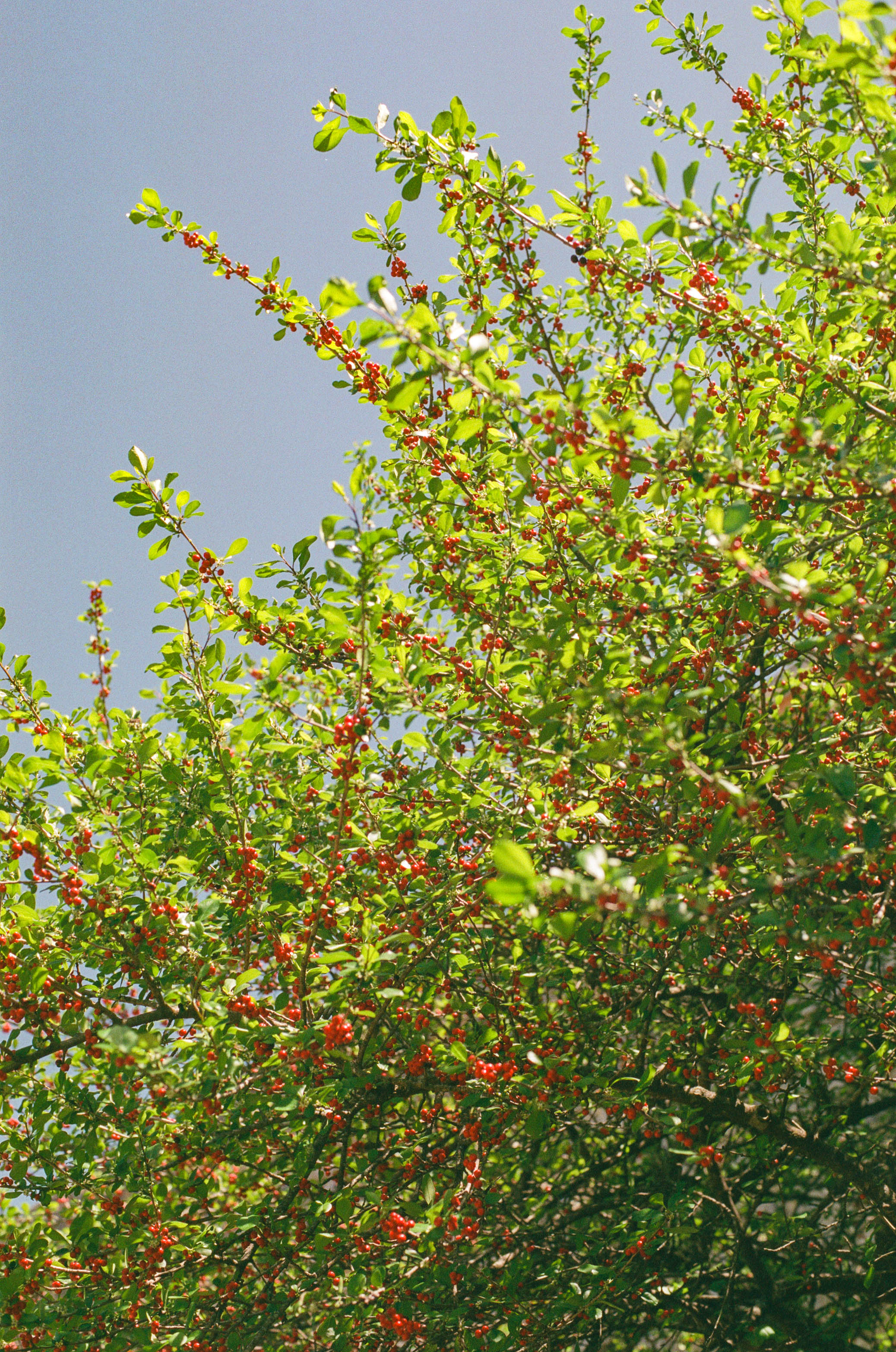
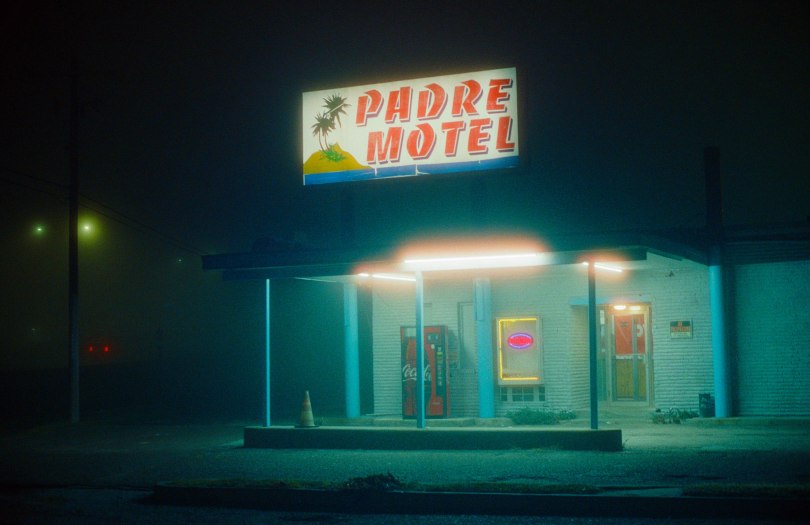
While I’d gotten some shots in Austin on a hiking trip with friends and then a few of the downtown Corpus skyline during an eerie fog, the majority of images that I ended up loving from this roll came from a trip I took with my mom to San Diego, TX.

San Diego is a town that for whatever reason has always stirred up various emotions for me. My family’s roots are in rural South Texas — Robstown, Banquete, and San Diego — and so I think part of it is just those innate memories that come back to me when I visit these towns that themselves often feel locked in time. I think of family gatherings and barbecues, of gathering mesquite pods and pretending they’re worms, of the sounds of roosters crowing down the street or the freight train passing at a distance. A trip out to these towns is almost always like reopening a photo album in my mind.

I also have family buried here — namely my grandmother and grandfather as well as a tía and now, a tío. I was visiting my tío’s resting place for the first time since he’d passed in August. So suffice to say, it was partly a solemn trip.

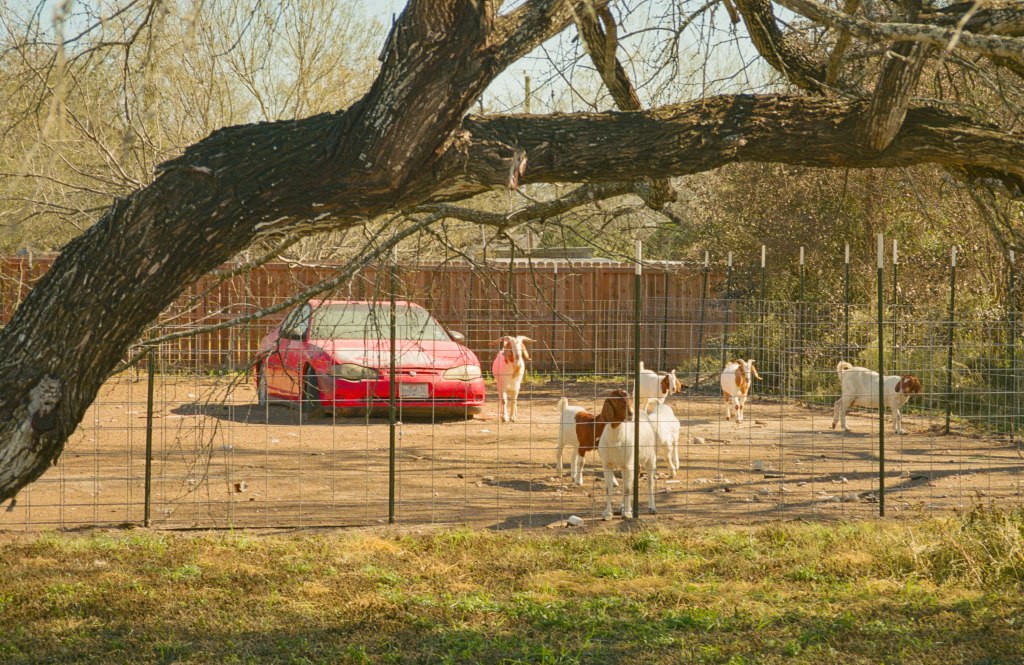
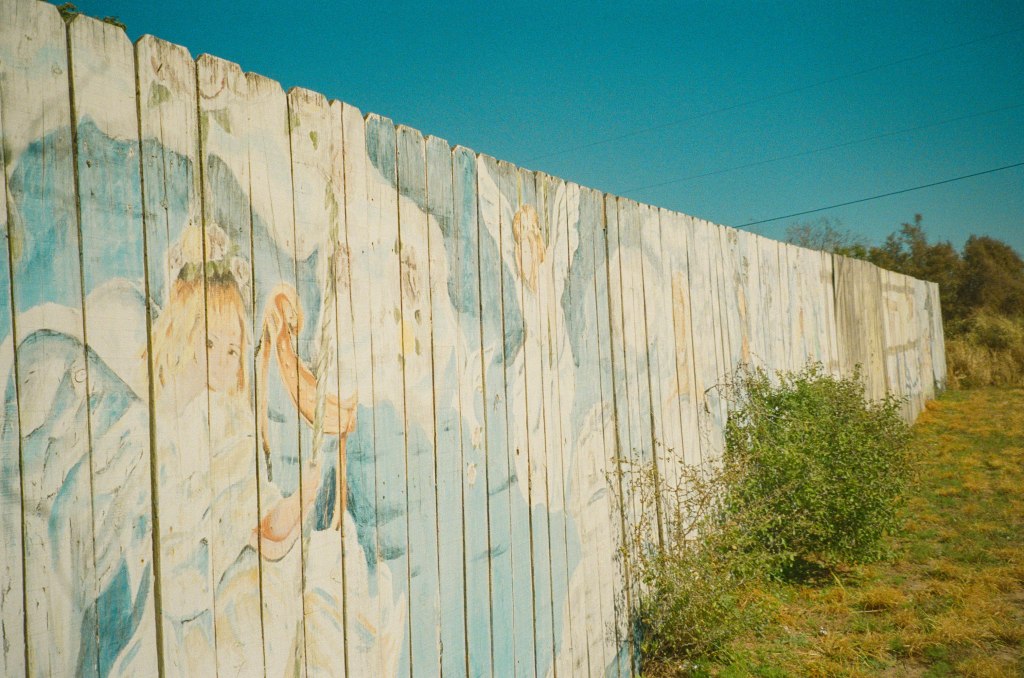
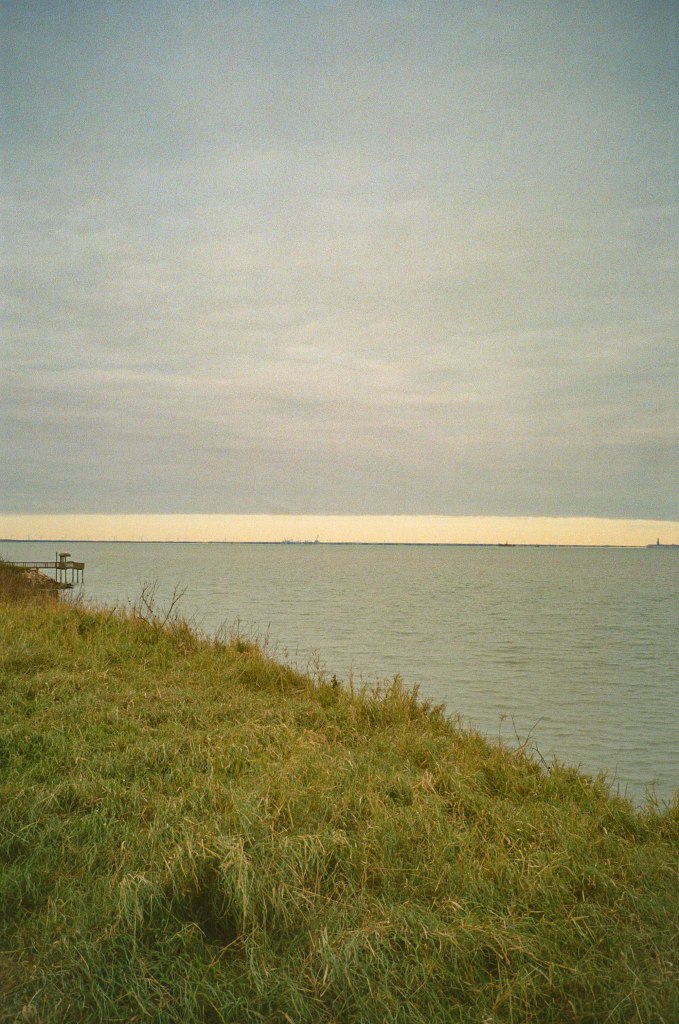
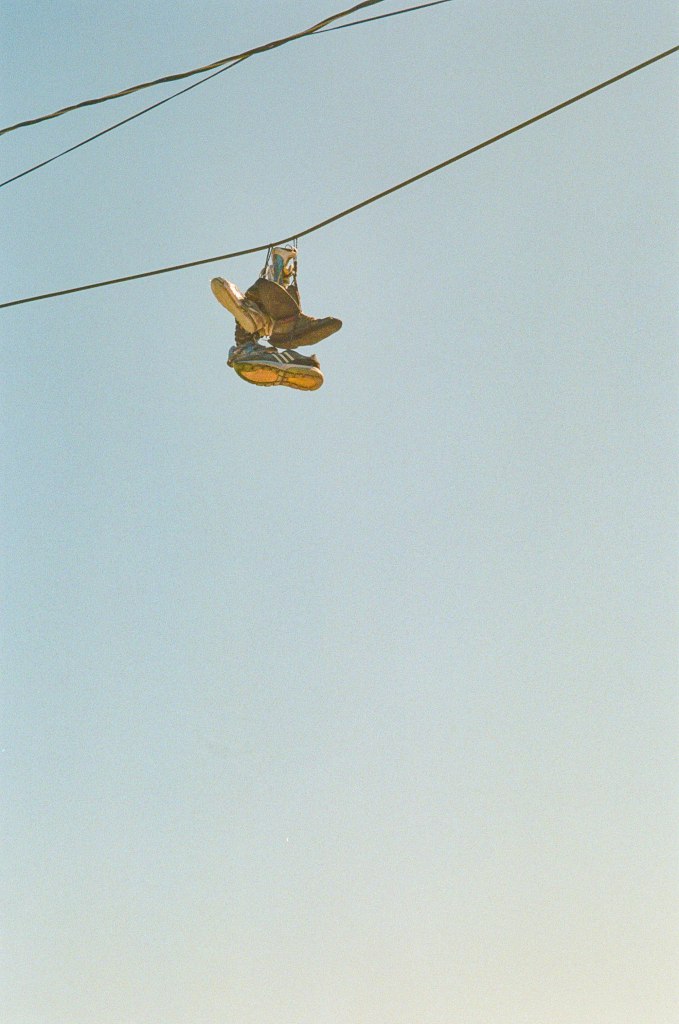
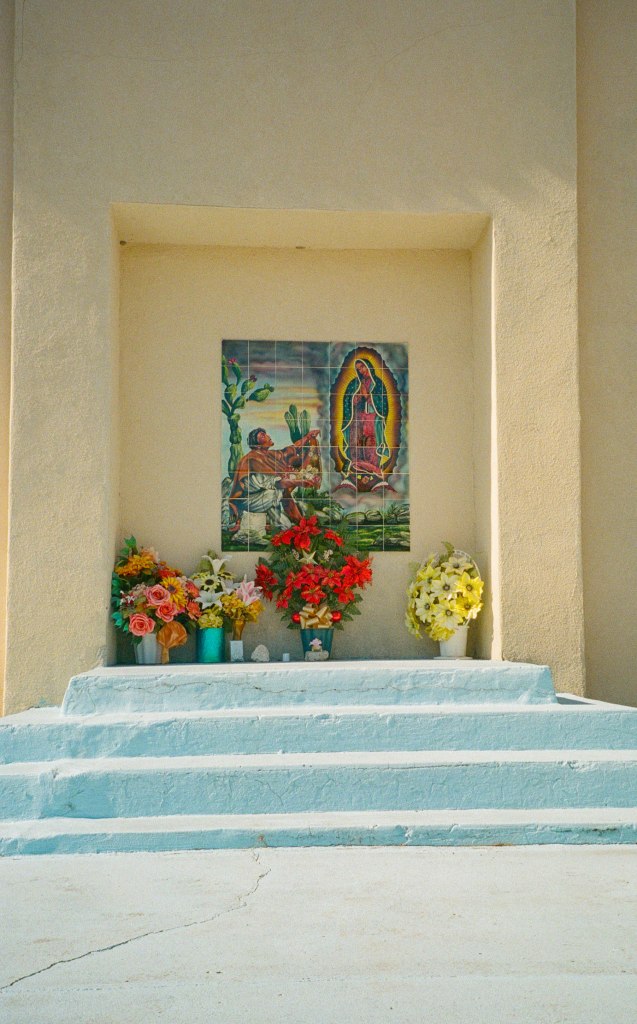
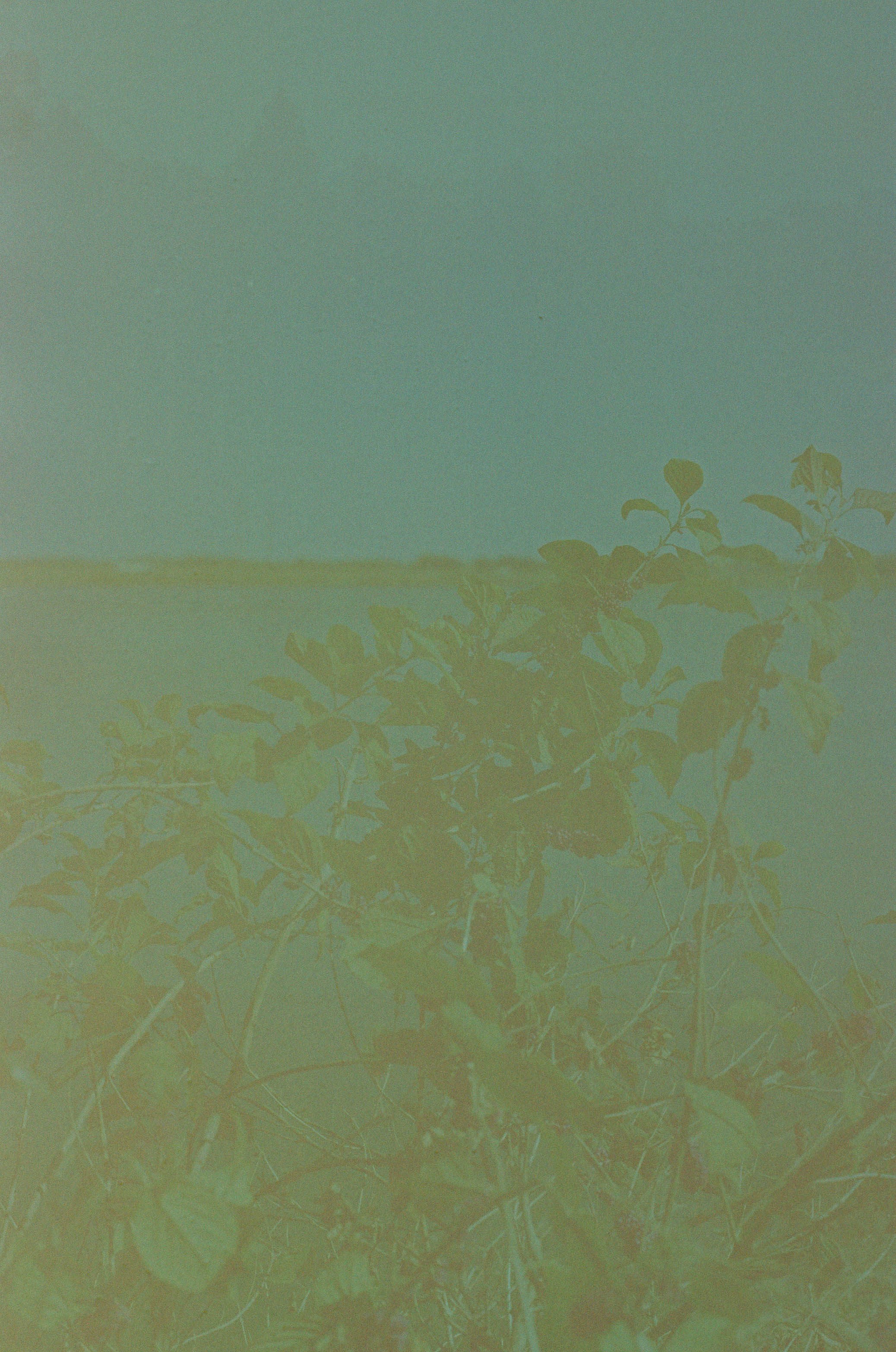
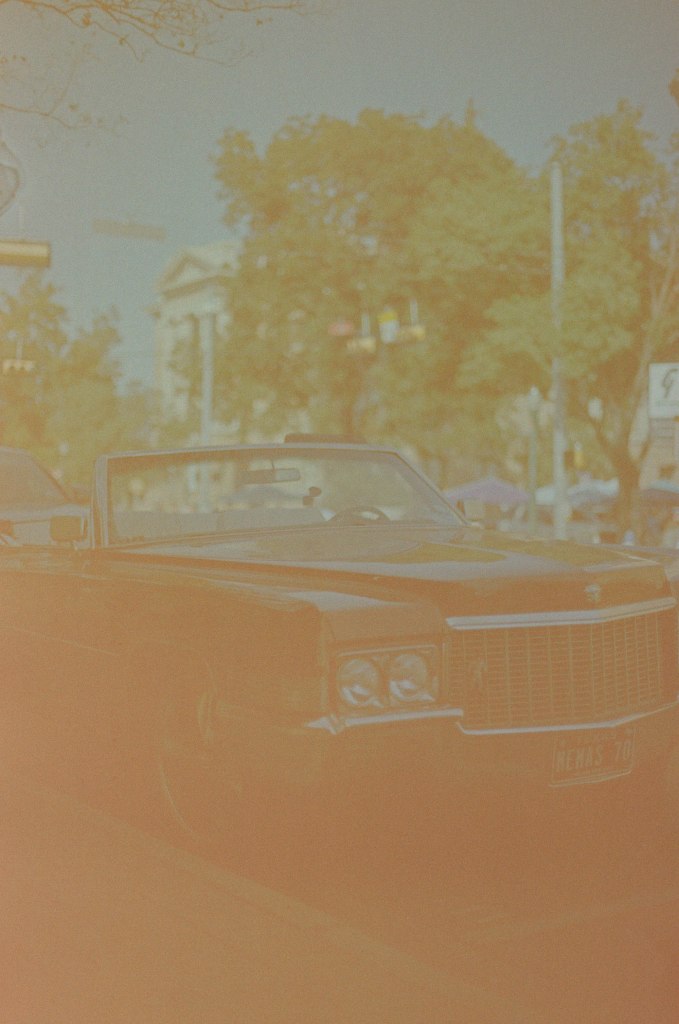
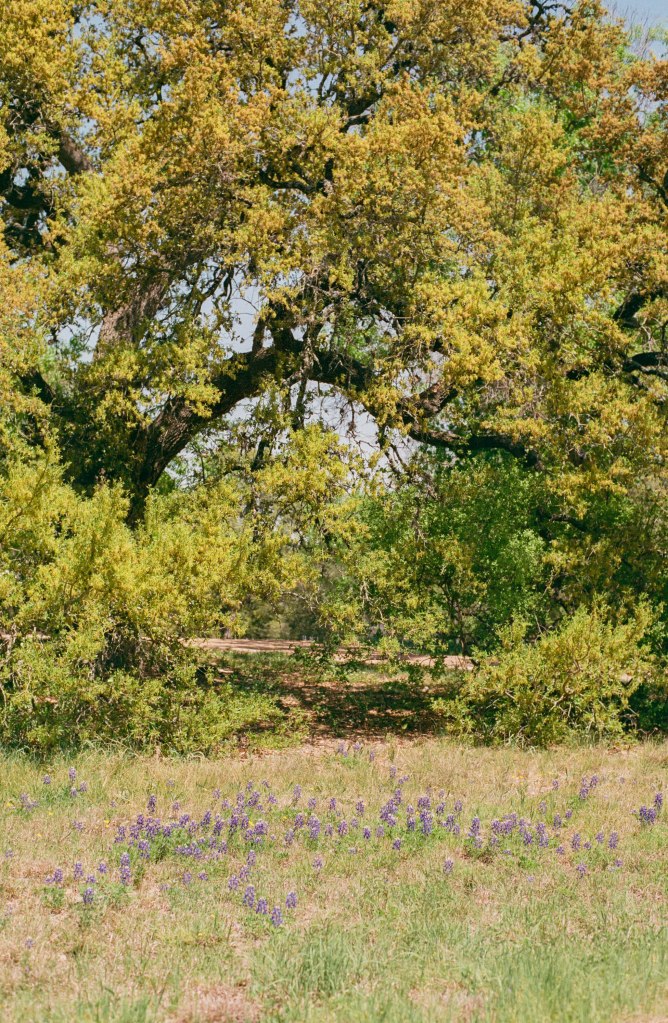
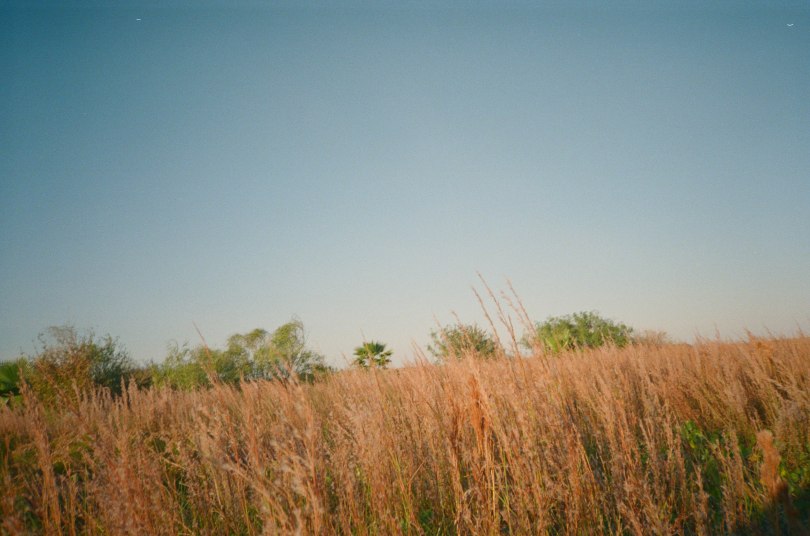
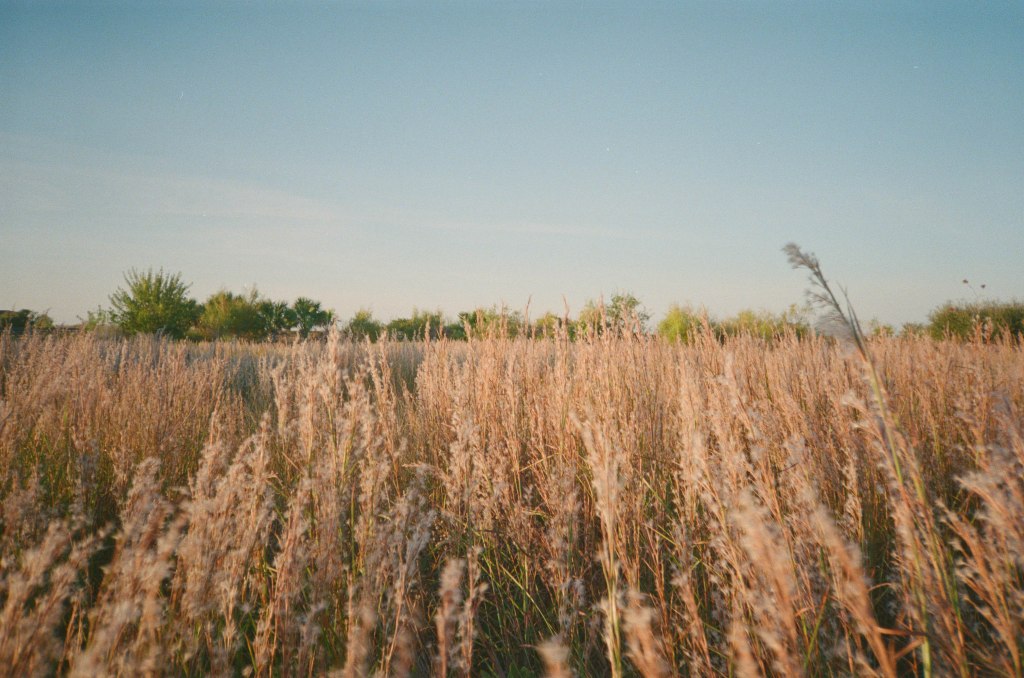
Kodak Ultramax 400, shot with the Canon Sure Shot 85 Zoom.

But after paying our respects, my mom and I decided to drive around town a bit.

As it is in small towns the world over, San Diego has kept much of its history intact. We saw so many old buildings as we wondered to ourselves the history behind them. In fact, I’ve made a mental note to go back one of these days explicitly to walk the town and do some shooting.

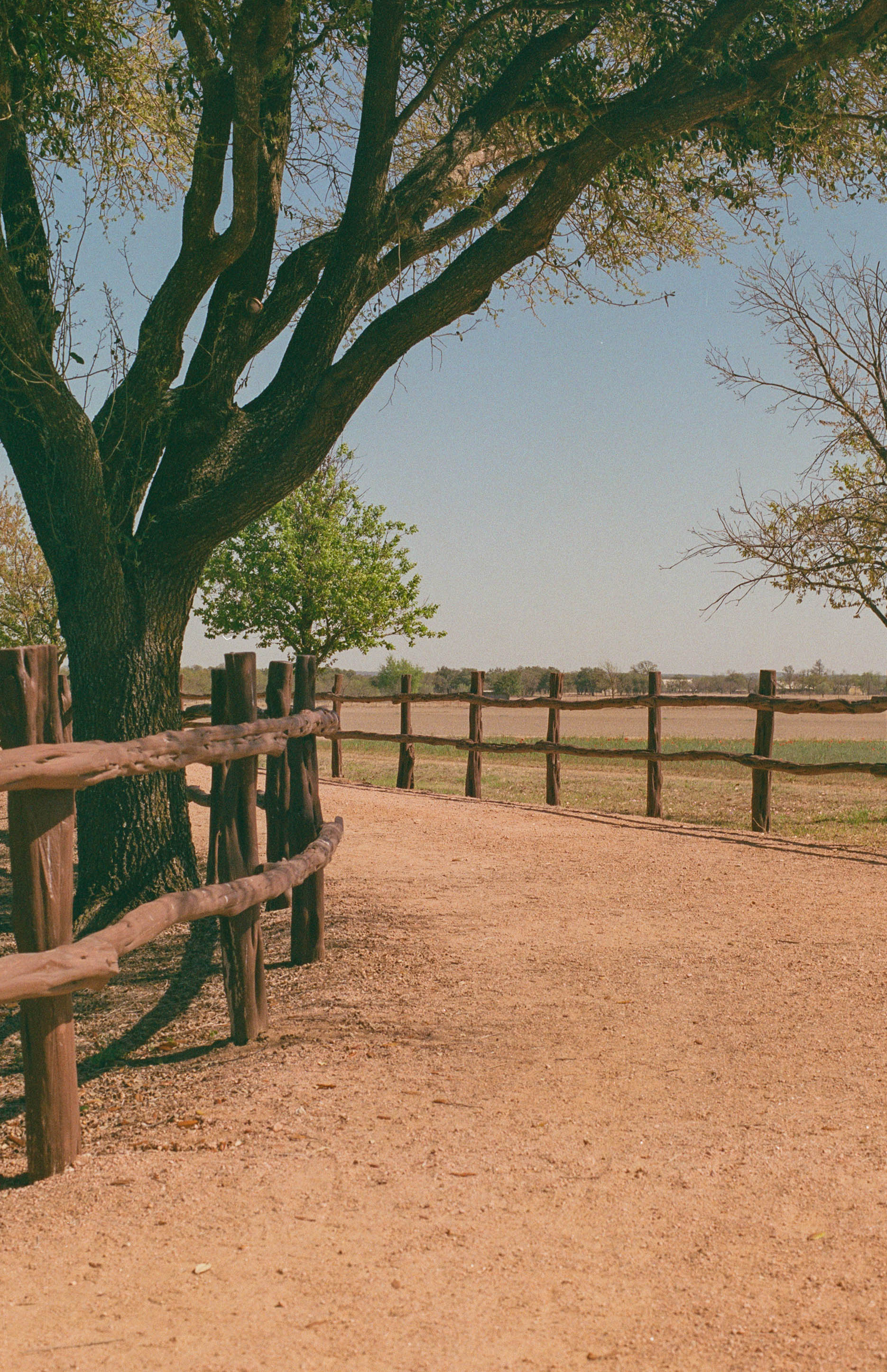
After a bit of driving around we stopped at a ranch headed out of town that belonged to my mother’s cousin — one I would readily say I’ve never been to and yet there was a bit of familiarity to it. Perhaps that was owed more to the array of antiques and vintage decor that lined the walls. Much like the town, it almost seemed like a space frozen in time itself.

While conversation remained solemn and centered on the losses we’ve seen in recent months, the mournful tone was nonetheless one of reminiscing, as well.

I’m glad my mom took me on all these detours around town.

I think I always appreciate trips like this because, in some ways, it reminds me of where I come from. Adulthood has often felt so much like adjusting to new situations and settings that I don’t always feel I fit easily into — that ever-present “imposter syndrome” we all are probably familiar with in one way or another. So trips like these remind me that my roots come from places seeped in their own richness and authenticity, and there’s a comfort in knowing that inner foundation can’t be taken away.

In all that reminiscing I almost forgot to talk about the camera, but honestly there really isn’t too much to report on it. The thing with point-and-shoots is that there really isn’t much control you have on it — no manual mode or anything. You literally just point, and shoot.

So with that, I was really just looking for a camera that did that well. I’d had one Kodak point-and-shoot that was actually the first camera I’d purchased when I picked up this hobby last year, but it had a fatal flaw — it was really only designed for Kodak film, and 24-exposure rolls at that. I made the mistake of running a roll of Fuji Superia X-tra 400 through it once, only to find I lost a good 12 shots when it started rewinding automatically at the 24th shot.

And while this first roll I ran through the Canon Sure Shot was still a 24-exposure roll, I currently have a roll of Fuji Superia in it sitting at like shot 31, so I think I’m safe.

But for a camera that might not boast any of the fancy features that make some point-and-shoots go for hundreds of dollars, I was still quite pleased with the results. It rendered colors quite well and images were as clear and crisp as I could ask for.

And I think that’s a pretty good place to leave it. If you made it this far, thank you for reading through my ramblings.

Also, despite it being a good three months later, happy new year! I look forward to doing more shooting this year so stay tuned for more posts in the near future.

As always, check out more photos associated with this entry in the slideshow below. The first few will be the CineStill/Canon A-1 shots followed by the Ultramax/Sure Shot. All were developed by Gelatin Labs.

And, of course, enjoy a little playlist to go with this post.

Until next time.
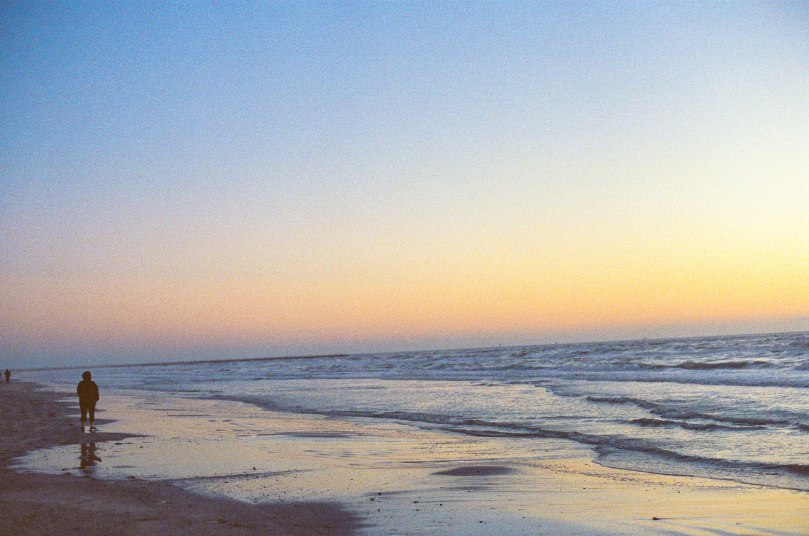
Photo Log #5: A deep fried crispiest first experience with expired film

When I started this whole “Photo Log” series, I envisioned it as a kind of chronicle while I learned the ropes of film photography and how that, in turn, would help me develop my photography skills in general. Like maybe around entry 70 or so I’d finally look back and say “wow, I’ve really come a long way.”

Or it’ll still be amateur hour, who knows.

Of course, that means not every entry in this log is one where I would be showing off work I was especially proud of or that every lesson is one I meet successfully. One part of learning is the process of fucking up, after all.

This is one of those entries!

Shooting film these days of course means looking to and engaging with the past a lot — particularly when it comes to the peripherals you use. I shoot mainly using a Canon A-1 that was manufactured between 1978 and 1985 and, aside from the gnarly Canon cough it has and one brief scare, mine has largely functioned well — likely buoyed by my constant appeals to the cosmos that each press on the shutter doesn’t cause it to suddenly fall apart.

But when it comes to the actual film, photographers these days still have access to new products — even new releases in the case of entities like CineStill. But while it is nice to still have access to the fresh stuff, I think any film photographer will answer with a nervous chuckle at how expensive even a single new roll can be.

That’s why some opt to shoot expired film, though not entirely because it’s cheaper (more on that in a bit).

I’d rather not get too much into the technical reasons behind film expiration and how photographers can compensate for it in this post, so instead enjoy this short explainer from my favorite film photography YouTuber.

For a variety of reasons, I’ve come into the possession of a good deal of expired film. Most came from my mom, who found several unused rolls while cleaning that had expired mainly around 2003. Among these were a few rolls of Kodak Ultramax 400, Kodak Gold 200, and some exciting Kodak Max 800. I also recently purchased 3 rolls for cheap at a vintage market here in Austin — the most exciting of which was some Kodak Tri-X.

What I lack in condiments I make up for in tonez.

My understanding is that one of the biggest factors to determine how the film retains its quality past the expiration date is how it’s stored, hence why most photogs have some dedicated space in their refrigerator to slow down any degradation. But for the rolls in my possession, I’m pretty certain such steps were not taken.

So when I go on an outing, I usually take a couple of rolls with me — one color negative and one black and white, just to see what I’m feeling when I finally finish up the roll I’m on. One day this past October while I was exploring the nearby town of Georgetown to escape the ACL crowds, I towed along one of the expired rolls — the Kodak Gold.

“It’s finally time,” I thought to myself. To be honest, I approached it pretty naively.

The other aspect that draws photographers to expired film that I alluded to earlier is that expired film can produce some random, but cool results in how the colors of your image comes out. It’s absolutely kind of a game of chance if you don’t know how the film was stored previously, but most I’d seen were some color shifts and heightened contrast — some more radical than others but ultimately an image still was produced.

In my mind, I figured my results would hardly be any different. So when I popped in the roll of Kodak Gold, I figured I’d largely be just picking up from where I was leaving off from the fresh roll of Portra 400 I’d just wrapped up.

Nah.

My first mistake: I did not change my ISO settings. This has been a bad habit that I partly attribute to taking so long to get through a roll. I’ll sometimes spend weeks before I actually make it through one, so when it finally comes to change it out, I forget to adjust ISO settings on my camera if shooting outside the usual 400 range I seem to usually be in. Not to mention, if I understand correctly, I should have shot the 200-speed Gold at 100 or 50 to compensate for the degradation. I didn’t realize this mistake until I was well over halfway through the roll.

Still, in my naivety I thought that maybe everything would turn out fine. Again, my thought was that I was going to get at least SOME image out of it — just maybe the colors would be washed out or something.

Well my first indication that I might be wrong came when I reached out to the lab I was going with to develop the film, Gelatin Labs, and told them that I needed the roll developed for 400 ISO. They replied to say they would do so, but that it “might be beyond repair.”

But I still held out hope that not all was lost.

After the Thanksgiving holiday, Gelatin had a little sale over at their site for film processing. I always try to take advantage of these so I went ahead and purchased one to use for later, only to notice I had a $6 credit to my account. This was the second sign to me that there was a bigger issue — labs will generally give you a credit if the images on the roll turned out totally damaged.

I reached out to Gelatin and received a reply the following day, along with the scans of the expired Kodak Gold roll. I excitedly opened the scans first, still naively thinking that they must have simply just strayed a bit too far from a perfect exposure, but maybe the images still had a cool color effect on them.

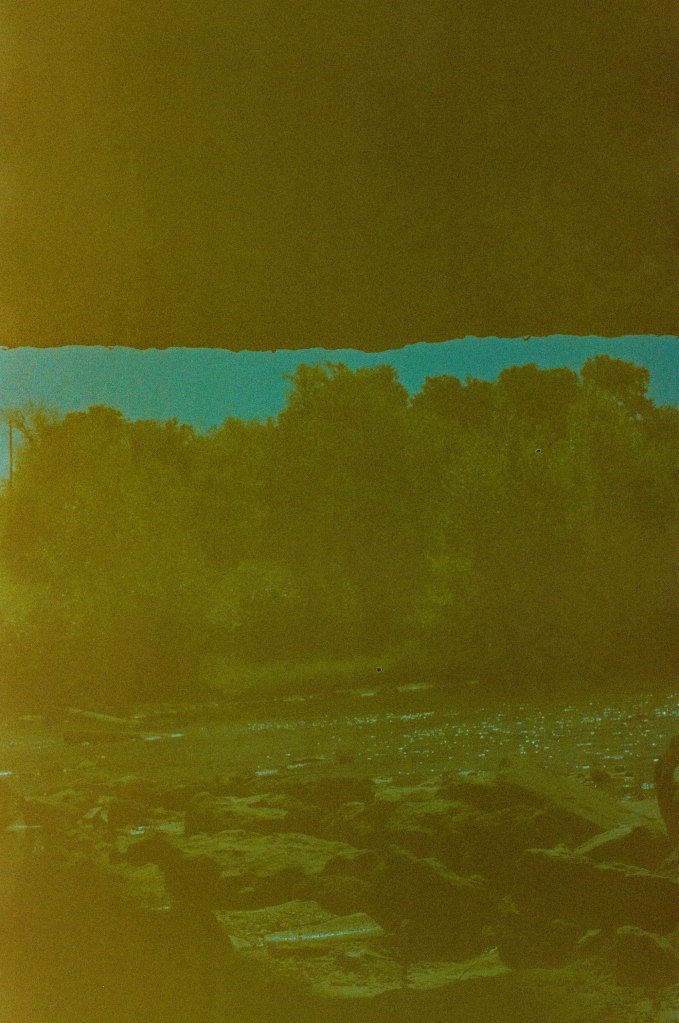
I was greeted by numerous scans with images that were hardly recognizable — badly faded and obscured by a murky haze. Even those taken under conditions I knew were well-lit were totally washed out.

The reply from Gelatin almost felt like scolding, though I’m sure it wasn’t intended — the gist being that expired film may be appealing, but fresh is where you get the best results. This was an obvious point, though one I wasn’t really expecting since I figured shooting on expired film was relatively common.

I did, however, attempt to salvage what I could through Lightroom. I essentially cranked the dehazing all the way up, messed around with exposure levels and sharpness, and did some tuning on the colors to at least unearth the image hidden in the fog.

Honestly, some images did end up appealing to me, even after being “fried extra crispy” as I’ve come to call it. And perhaps I also dig how some just look straight up old — weathered by time so that they come across more like an obscured memory. This, of course, taps into that nostalgia factor that I know was partly what drew me to the medium in the first place.

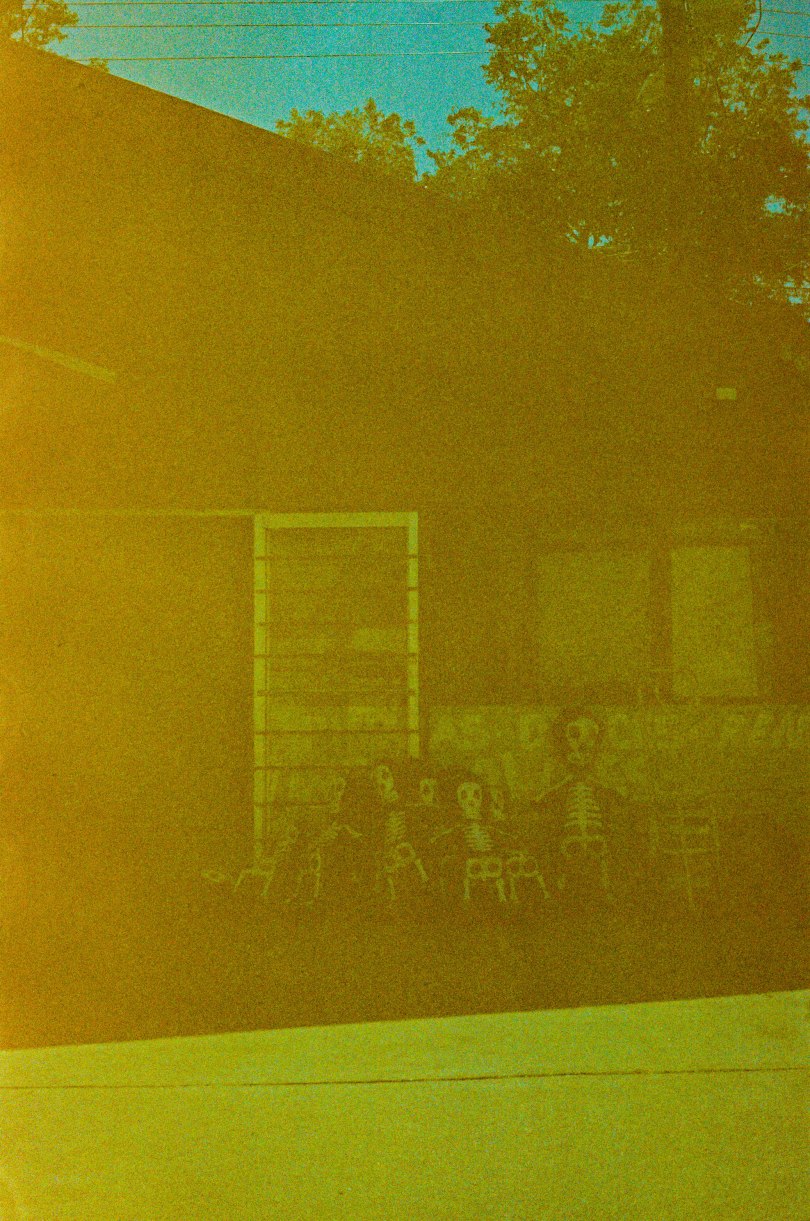
The left is more or less how all the photos came back, the right is how they looked after I gave them the “fried extra crispy” treatment in Lightroom.

But, nonetheless, these images aren’t what I was expecting. Some that I was really looking forward to, like the shot of the skeleton piñatas, are far removed from what I was hoping for.

I can only chalk this roll up as something of a lesson learned, at least. I will likely shoot expired film again (I have all these rolls, after all) but I think they’ll certainly be saved for when I’m actually aiming for something a bit more experimental.

Anyways, thanks as always for reading. Feel free to leave any feedback or tips, as well as share any experiences you may have had shooting on expired film. I’d love to see what results you ended up with.

Peruse more photos from this roll in the slideshow at the end of this post, all developed and scanned by the aforementioned Gelatin Labs. I’ll include a few of the pre-edit versions at the end of the slideshow if you want to see more of how they originally turned out.

And per usual, enjoy a little playlist to go with this post.

Until next time.

In search of the owl

As some of y’all may know, I tend to dwell on moments.

This can, of course, be a detriment — such as when I wrestle with awkward moments that happened 10 years ago while trying to sleep. But other times, I find myself reflecting on a moment from which it becomes a well that I draw much more joy from that I might not otherwise if I were quicker to move on from things.

One such wholesome moment came this past Saturday, when I finally was able to snap a photo of a bird I’d been seeking to catch a glimpse of in the wild for some time: an owl.

Owls happen to be one of my all-time favorite birds. I see them as one of those birds that really retains that air of enchantment around them that we impart on them as kids, perhaps because they are so elusive. They figure so much in the folklore and fantasy media I enjoy, not to mention my favorite children’s book character — Owl, from Owl at Home — who I relate a lot to.

On top of that, I’ve never encountered a wild owl, which I always considered odd. I feel like I grew up adjacent enough to, and spent a lot of time in, the country. Not to mention, it’s not like they don’t venture into the city. Just a few weeks ago a friend shared a photo of one she encountered on a power line in Corpus. But, perhaps, my not seeing one is more a testament to how little I did spend out in nature when I was younger.

Either way, I was ecstatic when I saw someone share a beautiful photo of a great horned owl they took at a nearby pond I frequent. This followed several sightings folks had shared on social media that took place specifically in my neighborhood. The anticipation started bubbling in me — at last, here was my chance.

So what I’m about to say may be an unnecessary precaution, especially since like 3 people read these posts. I know this spot is promoted as a birding area quite often and the owl I ended up encountering has apparently been familiar to locals for years, but I think I will refrain from disclosing exactly where it’s at. I often think about instances I’ve seen where crowds descend upon a location to catch sight of a particular species after a well-meaning birder shares their discovery on social media. It ends up being a pain for everyone involved and may even disturb the bird that folks are trying to catch a glimpse of. Also, I know this particular owl’s presence is somewhat fragile here (more on this later).

But if ye be friend, just hit me up and I would be more than happy to take you to the spot sometime.

Anyways, fueled by the sightings and photos that were appearing on my radar, I began making excursions out to the pond on a regular basis with the express intent of spotting the owl. The weather lately has been gorgeous — hovering in the mid-70s in the evenings when I would go. Prior to these first outings, I hadn’t really done any birding since the move due to the abnormally hot summer Central Texas underwent this year.

Outside of honing in on the spot I know the owl had been typically sighted, I really didn’t have much of an explicit method for searching. I’d seen videos some time ago on tips for spotting owls — identifying trees with their scat markings, looking out for the pellets they regurgitate, etc. But I really wasn’t certain if there was anything else of note I needed to be watching out for. I resigned myself to slow walks down the paths that surrounded the pond, sometimes humming Kaepora Gaebora’s theme from Ocarina of Time, and stopping often to scan the treetops — which eventually caused some soreness in my neck that made the search much more cumbersome.

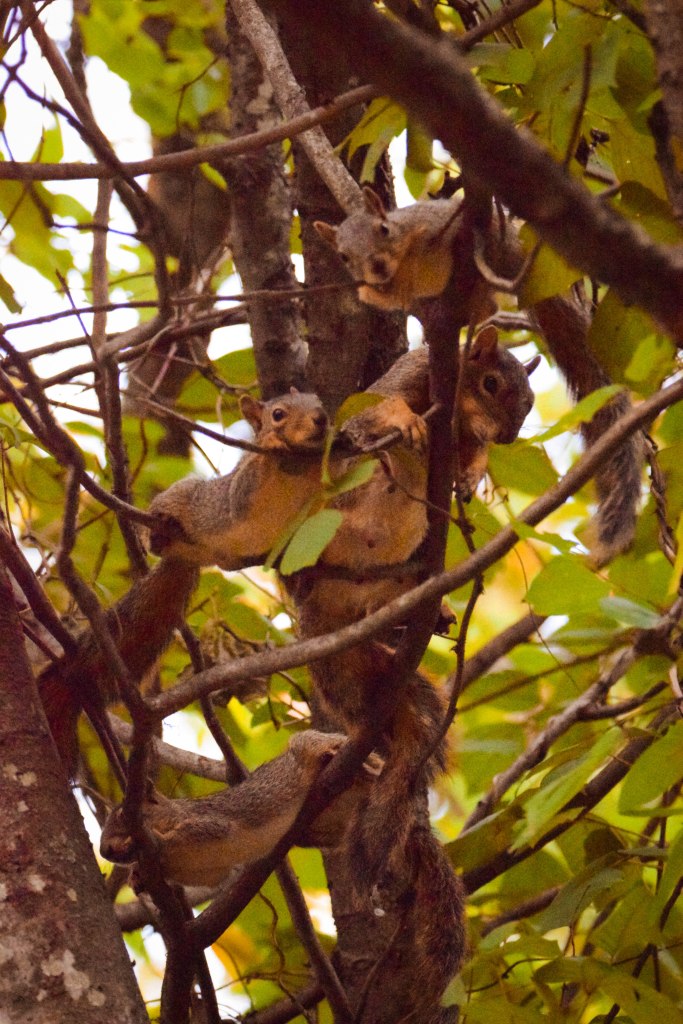
Nah but look at this cute squirrel family I did get a photo of, at least.

On top of this, there really wasn’t much else to see. I often hear crows and blue jays about when I’m not looking, but it seemed like each time I went for these walks, they were nowhere to be seen. I did see a couple of other birds, including a heron and some cardinals, but nothing I hadn’t seen before. Not to mention, squirrels are in absolute abundance in these parts so every little bit of movement I’d hear in the branches that perked my ears up often ended up being one of these little creatures hopping about on the treetop highways.

There was one moment that did reinvigorate my search, and that is the time I stopped at this little birding outpost slightly off the path. It’s a quiet area, and as I watched cardinals take turns sipping water, I heard a “hoot hoot hoot” nearby. I stuck around, certain of what I had heard, but despite all my best efforts I could not spot the source of the hooting.

But after several weeks of these outings, this past Saturday finally proved fruitful.

I actually started the day with an outing that came up empty. It was a beautiful, brisk morning which made it quite a nice stroll, but there was little to show for it when it came to photos. I even shared the experience on my birding Instagram account, just kind of logging for anyone interested the latest critter I was on the hunt for. I think that’s one thing I love about the community on the socials — folks do tend to get excited for each other when we come upon a “lifer.”

By noontime, I cut my losses and went about the rest of my day.

My plans for the evening had fallen through, however, so after a few fun excursions throughout the afternoon and returning home to rest a bit, I decided to head back to the pond in the evening.

I always find the pond such a wonderful space in this neighborhood, and the neighborhood itself is quite welcoming. I often meet folks on the paths there, saying “hello” and really getting to see who all make up this community. This evening I had crossed paths several times with a father and his two daughters — I would guess they were 5-7 years-old — speaking with such excitement to each other in Spanish as they explored the park. The little girls, in particular, were so excited to see the various dogs make their way along the paths and I laughed several times as they quizzed owners on the names and breeds of their pups.

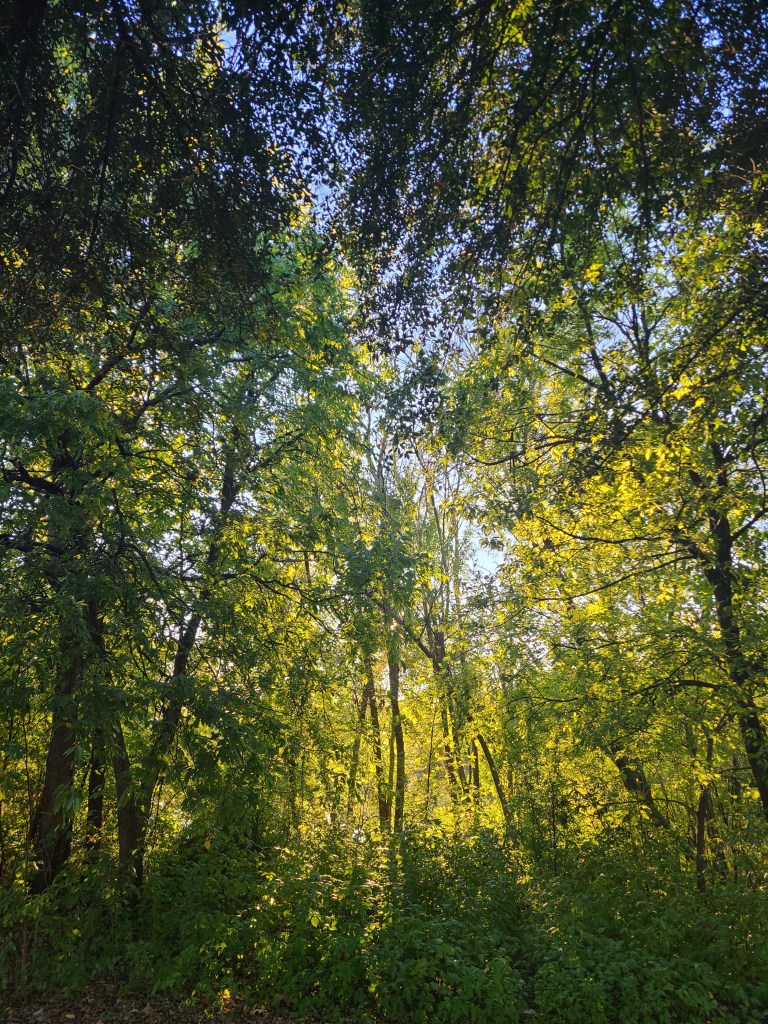
I started out at the usual spot, which is nearby a small dam that has typically been dry but this time had water from recent rains running through it so that it formed a sort of creek. Part of it is nestled in a spot kind of off the walking path — where trees envelope overhead, keeping much of the light at bay and muting some of the sounds surrounding you. I had chosen not to go too far into there when I first arrived because earlier that morning my boots had ended up caked with mud after exploring it.

However, after about an hour making my way about the pond, I decided I’d make one quick stop there just to check before I left. Before entering the tunnel of trees, I caught sight of a golden retriever who had quickly decided to take a dip into a deeper part of the dam, much to his owner’s dismay. The little girls who were playing nearby chuckled as the dog crawled out of the water, shook itself off, and proceeded to roll around in the mud as its hapless owner looked on in resigned amusement.

I laughed and continued on into the tunnel, where I was immediately struck by the sound — “hoot hoot hoot hoot.”

I froze. I readied my camera as I gazed up at the trees.

Nothing.

But still: “hoot hoot hoot.”

I felt like I was in serious birding mode at that point — absolutely quiet in my steps, eyes meticulously scanning all about me, listening intently as I could as to the direction of the hooting. In my mind there was nothing else around me at that moment — just me, the owl, and the “forest” around me.

Of course, the reality was that I was in a community park and the aforementioned pup who had taken the dip just minutes before came up right behind me, followed by its owner. The hooting stopped. The retriever took another dip in the creek before us — the owner much more obliging this time so as to see the mud washed off before they continued on their way. But for a moment I was frustrated as I was certain they had scared the owl off.

However, once they left, I heard it again. “Hoot hoot hoot hoot.”

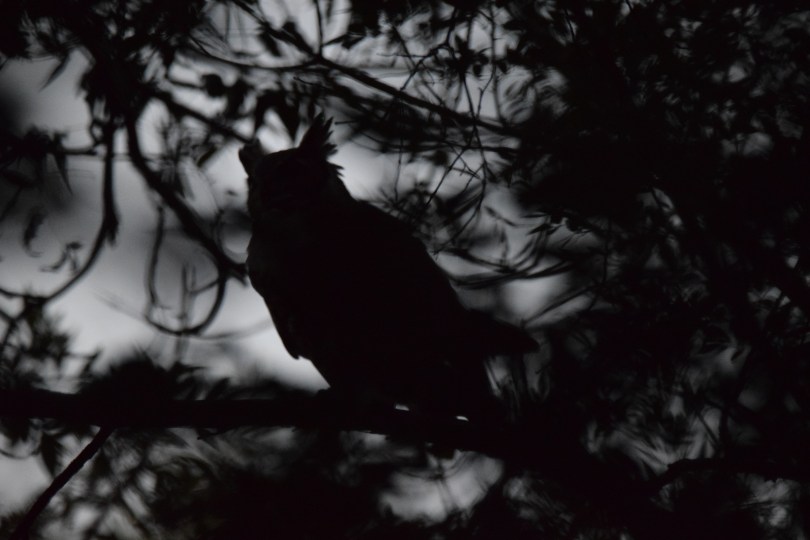
It was then I noticed that there wasn’t just one, but two owls that were calling and responding to each other. Finally, I spotted them. It wasn’t easy to make them out — they were masked by the tangle of branches and foliage and silhouetted by the setting sun, but it was unmistakable.

It was then I heard another sound coming up from behind me, the sound of the little girls’ voices: “an owl!”

I turned to see them running up to where I was standing. They stopped next to me and looked up at the trees but they couldn’t see it.

At first, I was indeed frustrated that their shouts might have scared the owls off. But then we all heard it: “hoot hoot hoot.”

Finally I got a good glimpse of one of them. There, on a high branch maybe some 40 feet from me, was a great horned owl illuminated just enough by the sun that I could make out its features. I steadied my lens, focused, and let the shutter fly before it moved again.

I looked at my preview screen to see what I’d gotten. It wasn’t as clear as the photo I’d seen that lit that fire in me to come out here all these weeks, but it was a photo — my first-ever of an owl, and perhaps my first time ever seeing a wild owl. A lifer.

The girls were still looking up, asking each other aloud “where is it?” I unslung my camera and turned the preview screen over to the girl closest to me. They both gathered around, gasping in wonder at the photo. By then their father had caught up with us. “You got it?!,” he said excitedly before wowing at the photo I showed him, as well.

I slung my camera back on and we all just stood there. The moment was muted — just the sounds of swaying branches, the running waters of the creek and our hushed excitement as we gazed up at the tangle of branches, listening to the hooting from the shadows that would occasionally fly before us.

After a few more unsuccessful attempts at getting another photo, I told the father and his little girls I was going to try a different vantage point and made my way up to the path that looks down onto the wooded area we had been in. When I got there I saw one of the owls briefly, but there was just as little luck in spotting them from there — perhaps even less so.

I did, however, encounter an older woman who had likewise stopped to look down onto the trees.

“Did you see the owl?,” she asked.

“There were two!,” I told her.

At that, a look of excitement and relief fell over her. She told me that there had originally been two owls that nested in that area, but one had been discovered not long ago that had died after getting tangled in some fishing line. She said this had crushed many in the neighborhood, and that since then there had been a lot of hope that the owl left behind would find a mate. My news, perhaps, may have given her the hope they had all been longing for.

We stood and listened for the hooting a bit longer, chatting some as she told me more about the neighborhood. She embodied much of the sense I had thus far gleaned as a newcomer looking in — the community is close-knit, but indeed welcoming. She was glad that I was here, that I already seemed to share a love of the moments that could be found in these spaces that had meticulously been preserved to retain its natural character.

After saying our “goodbyes” I made my way back to my car quite moved by that evening. Perhaps, as I tend to do, I am giving more weight to the moment than is needed.

But I knew reaching the end of my search would be momentous — given how long I’d been looking to spot an owl. That I wasn’t alone when I reached the end of that short journey — the father and his girls, the woman I met afterwards — it reminded me how special it is to share moments like that with others.

I’m already planning to go back and try and get a better photo of that owl this evening. But the one I have now, given all I’ve just written, is already a special memory to me.

Photo Log #4: Picturing Home

I think when so much of how we interpret and interact with the world is informed by culture, it’s only natural that certain tropes might come to mind when approaching various stages of our lives.

I often think about one trope I encountered in several stories as a kid: that of the main character in said story leaving home to experience “the wide world.” These characters often came from small, pastoral, idyllic communities that would later be juxtaposed against the hustle and bustle of bigger cities or the various dangers lurking beyond the horizons the character was familiar with.

As I weighed and wrestled with my reasonings for moving from home, this thought always came up to me — that desire to see and experience “the wide world.”

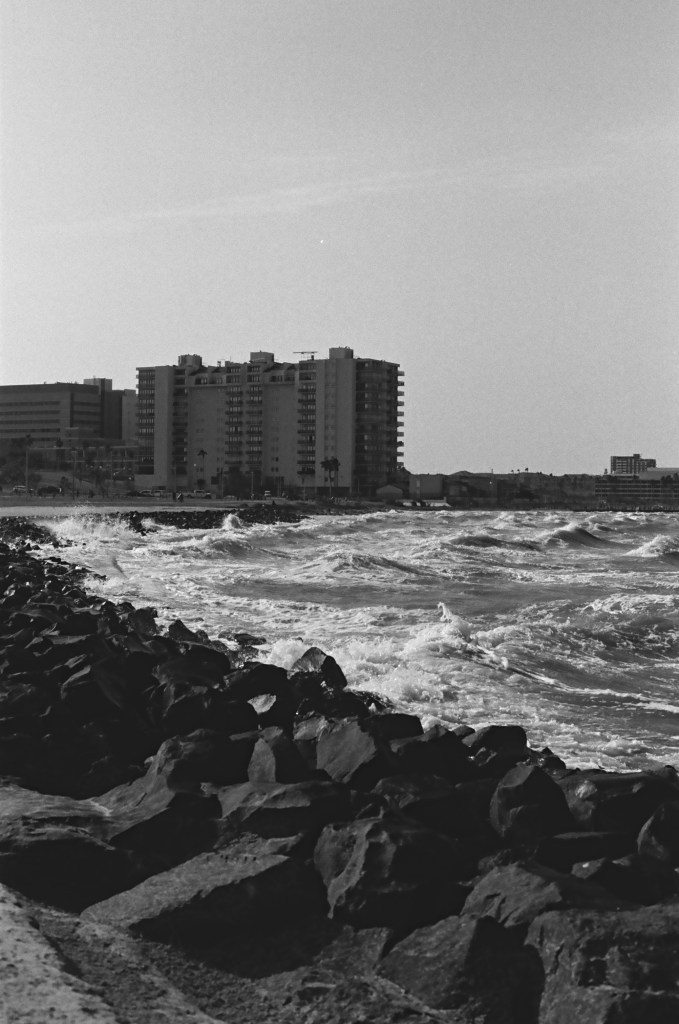
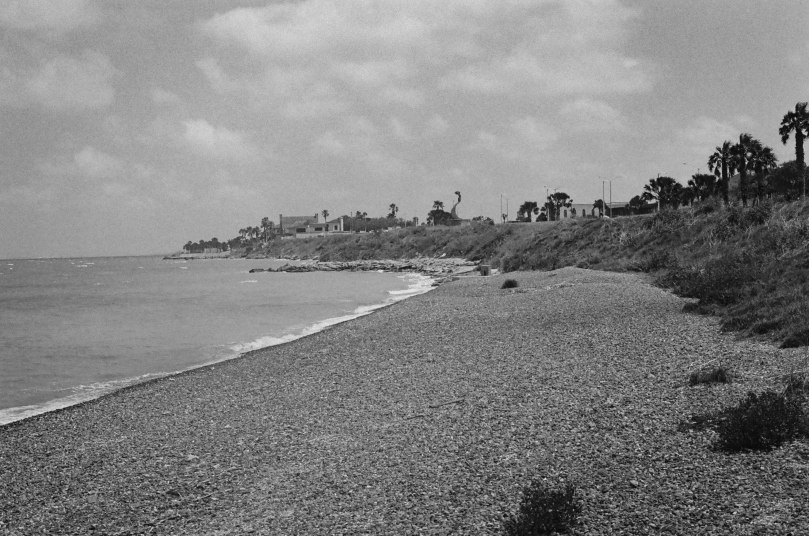
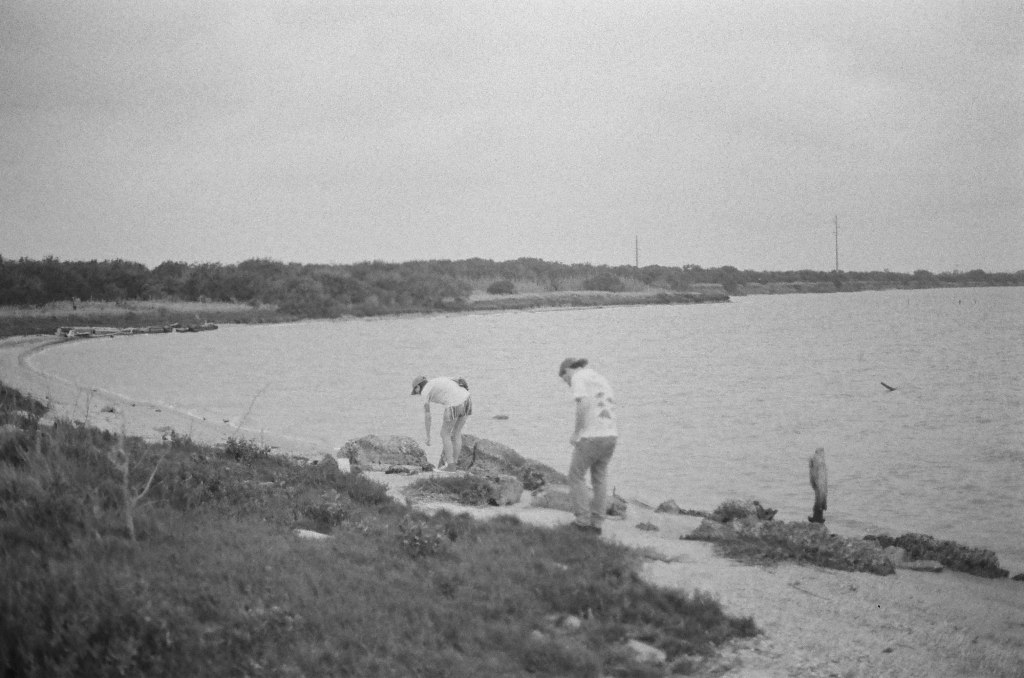
Fomapan 200 on Canon A-1. I think walks along the shoreline and gazing out into the sea are one of my favorite things about Corpus.

If this already sounds like I’m putting much more weight onto my move than is necessary, know that I am very much in agreement. Austin is, after all, a little less than four hours down the road from home. Hardly “the wide world.” But I must acknowledge that the pandemic, and a couple of personal tragedies preceding it, have left me much more sentimental towards time and relationships — in preserving and cherishing both.

So when it came to finally put the wheels in motion on a move I’d literally been talking about for years, it suddenly was much more difficult. Adding to that, the city I once found so appealing when I was younger had lost its charm to the drab aesthetics of tech culture and an intimidating cost of living.

But there I was, a recent college graduate and not getting any younger. While I will always have love for my city, and certainly have no qualms about perhaps moving back someday, I felt the urge for new experiences drawing me elsewhere.

As they say, it was time to shit or get off the pot.

I decided I’d make my last few weeks in Corpus something of a project. I’d capture my surroundings on film, visiting places that embodied the concept of “home” to me. These could be places I frequented — like my favorite café — or even places tied strongly to my childhood that I rarely took the time to explore in adulthood, like Annaville and Robstown. I also wanted to get photos of friends and family that were part of my day-to-day.

Memories, we always have. But as conduits to our senses, memories can always be stimulated. I wanted these photos in their multitude to be one big piece — a tapestry of what makes up home to me.

I didn’t want to purchase new film stock for this, mainly because it was pretty much impossible to find in Corpus stores and ordering online would take too long. Plus, I had a decent amount — though mainly black and white. But then, thinking of how rendering in monochrome can only heighten the sense of “memory” that I was going for, I opted to shoot a roll of Fomapan 200 and Ilford HP5.

While I had intended to shoot more, the reality of prepping for the move ended up taking most of the time I had hoped to devote to this. The idea for the project really only came into my mind in the last month I had in Corpus and I didn’t really plan things out as well as I would have if I had started earlier. I didn’t make as many trips as I’d have liked out to Annaville, for example, and even wanted to make a trip out to Banquete to capture the fields leading to my late grandmother’s house — but this trip never came to fruition.

There were also plenty of folks I didn’t get portraits of that I wish I would have been able to. And not only that, but my amateur skill level shone through on one too many of the portraits I attempted, leaving several fuzzy or out of focus. Because of this, I’m leaving the portraits I took out for now.

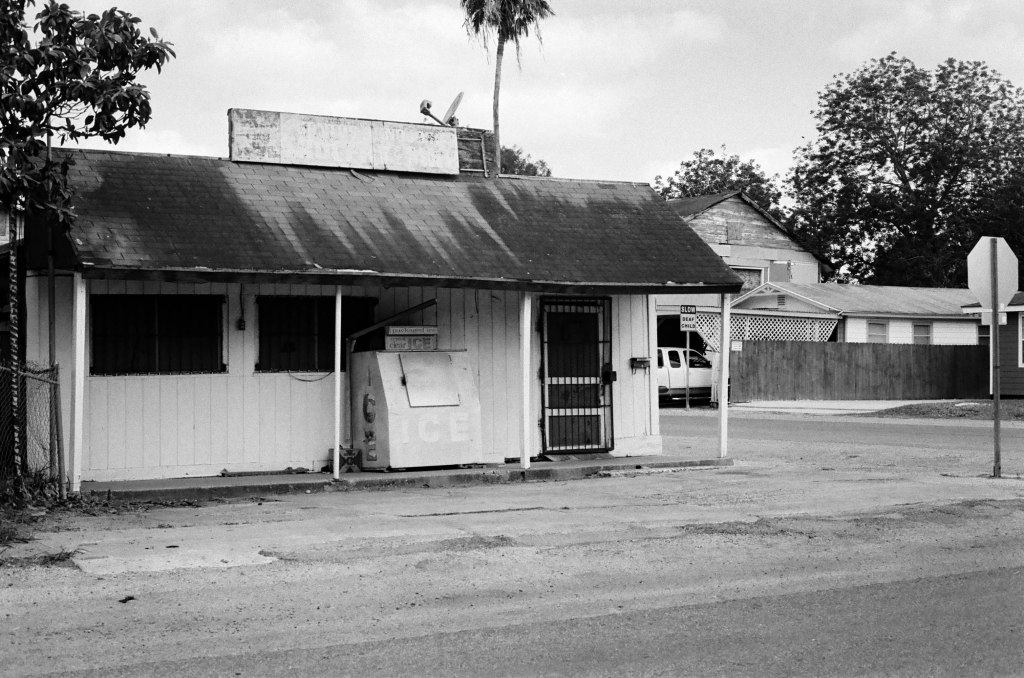
Ilford HP5 on Canon A-1. I have fuzzy memories of getting root beer at this old corner store by my grandparent’s house before it closed and it was one of the first landmarks that came to mind when I thought of this project.

But, I suppose this means this project remains unfinished — perhaps indefinitely as I age and my home forever changes. My camera is always in tow, after all, and trips to Corpus are certainly always on the calendar.

But for the first installment of such a project, I came away pleased with at least a few of the shots I got. I captured some of the horizons I know well and places and faces I hold dear.

As usual, check the slideshow at the end of this post to see more. All photos developed and scanned by Memphis Film Lab.

This entry’s playlist is somewhat of an ode to Corpus and my life there, but that means many things and maybe is much more of a mixed bag. It’s composed of songs that simply make me think of my home — lyrically, thematically, or simply capture a moment or time in my life I remember fondly, or even not-so-fondly. They’re colorful songs I remember from childhood trips with family. They’re songs from when I was a young high school grad — exploring new tastes in music and finding my own sense of style and identity. They’re songs I’d play on my phone when I lived in our weird death trap of an apartment on 3rd Street, having a beer on the steps leading in and listening to the night, bathed in the glow of the streetlights. And then some I’ve simply heard recently and nonetheless spurred some sentimental feelings towards home.

As always, any thoughts and feedback is welcomed. Until next time.

Photo Log #3: Road trips and a camera fix

April 8-10, 2022. Endlessly sunny upon a drought-riddled countryside.

Driving through the parched hill country mere months after the illustrious colors of fall once painted the horizon so beautifully, I couldn’t help but reflect on how different everything looked and felt.

Instead of feeling cradled by the scenery like I did back in early December, I felt like I was fervently pushing my car on to the next town — the nervous thought in the back of my mind that a chance issue could leave us stranded in the heat.

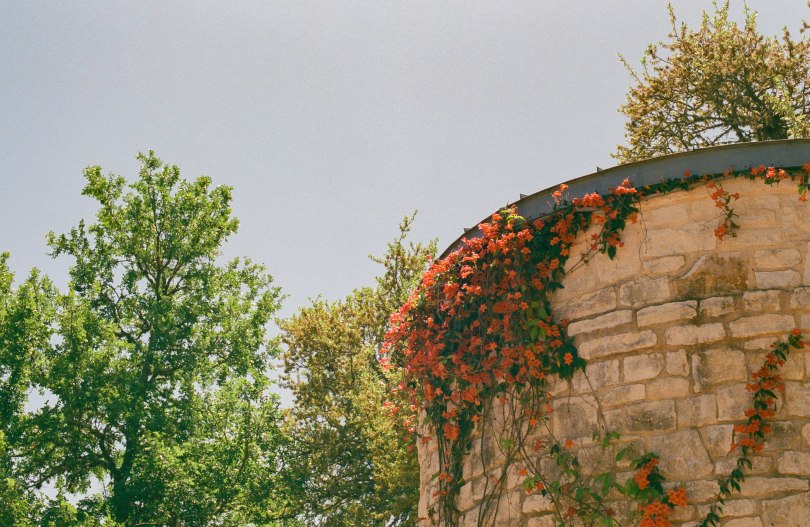
Canon A-1, Fuji Superia X-tra 400, shot at ISO 200

My mother and I were, after all, on a birthday trip in search of birds and wildflowers — celebrating her 58th rotation around the sun with a trek focused on a hobby we both love and share together. We did, of course, make several stops in places that brought us what we were looking for, but those long stretches through the backroads certainly occupied much of the trip.

Either way, I was excited to finally bring along the Canon A-1 on a road trip. I didn’t plan on shooting too much with it, however, as I was down to two rolls of Fuji Superia X-tra 400 and I’ve been hesitant on purchasing another stock as color negative film is so dang expensive now. Seems like I could get three rolls of the Fuji for about the same price of one roll of even Kodak Gold — not that either is in stock very much.

But I digress. I brought along those last two rolls and a roll of Fomapan 200. I ended up not needing much of that as I simply finished the one Fuji roll I already had in my camera by the time we were already headed back home.

Camera fixes

The thing I learned very quickly that comes with the territory of film photography is the reality that we are trying to make visual art using equipment that is decades old. I couldn’t exactly say when my particular Canon A-1 rolled off the assembly line, but I do know they were manufactured between 1978 and 1985. That means, even if it was one of the last, it’s still pushing 40 years.

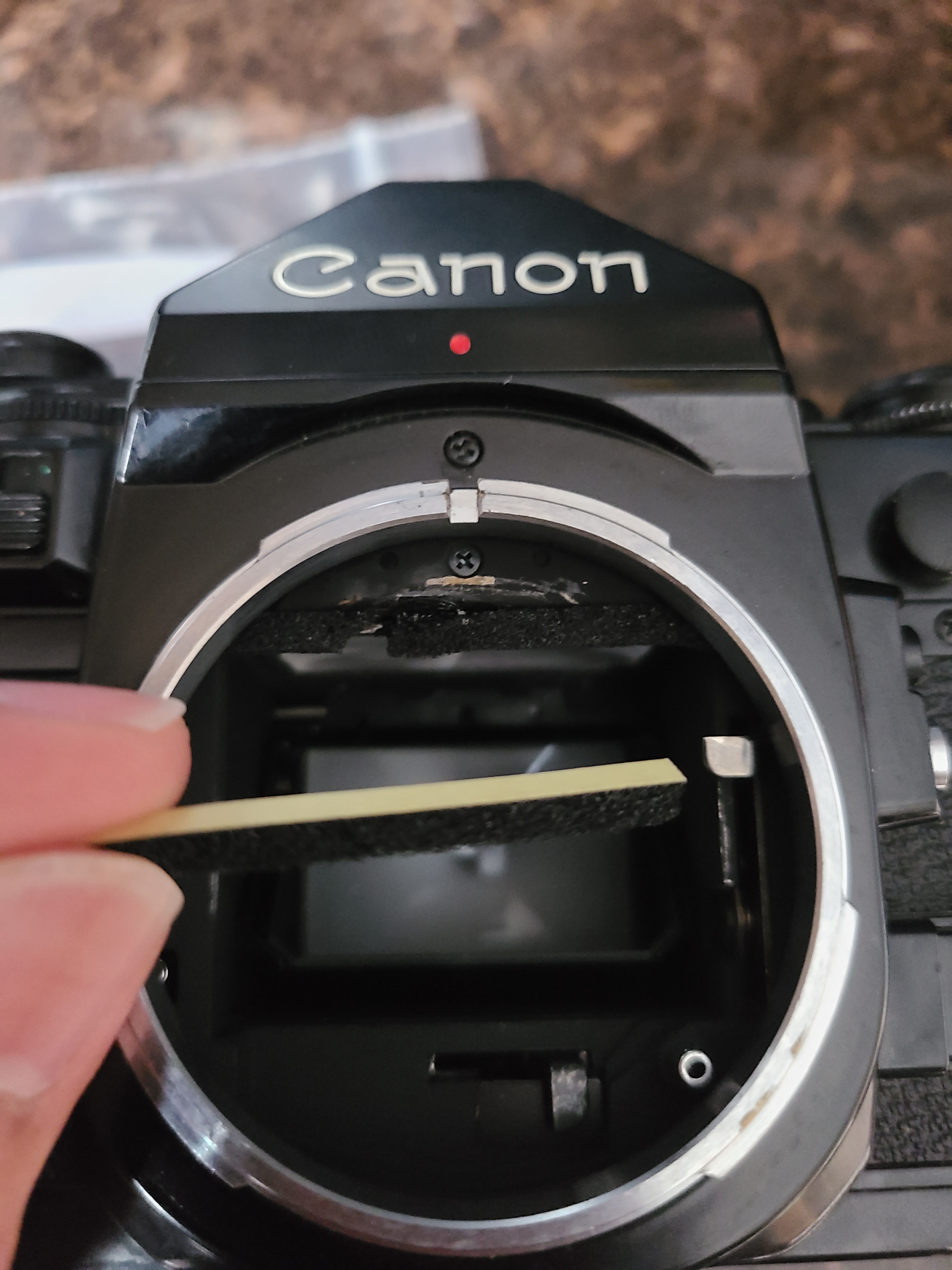
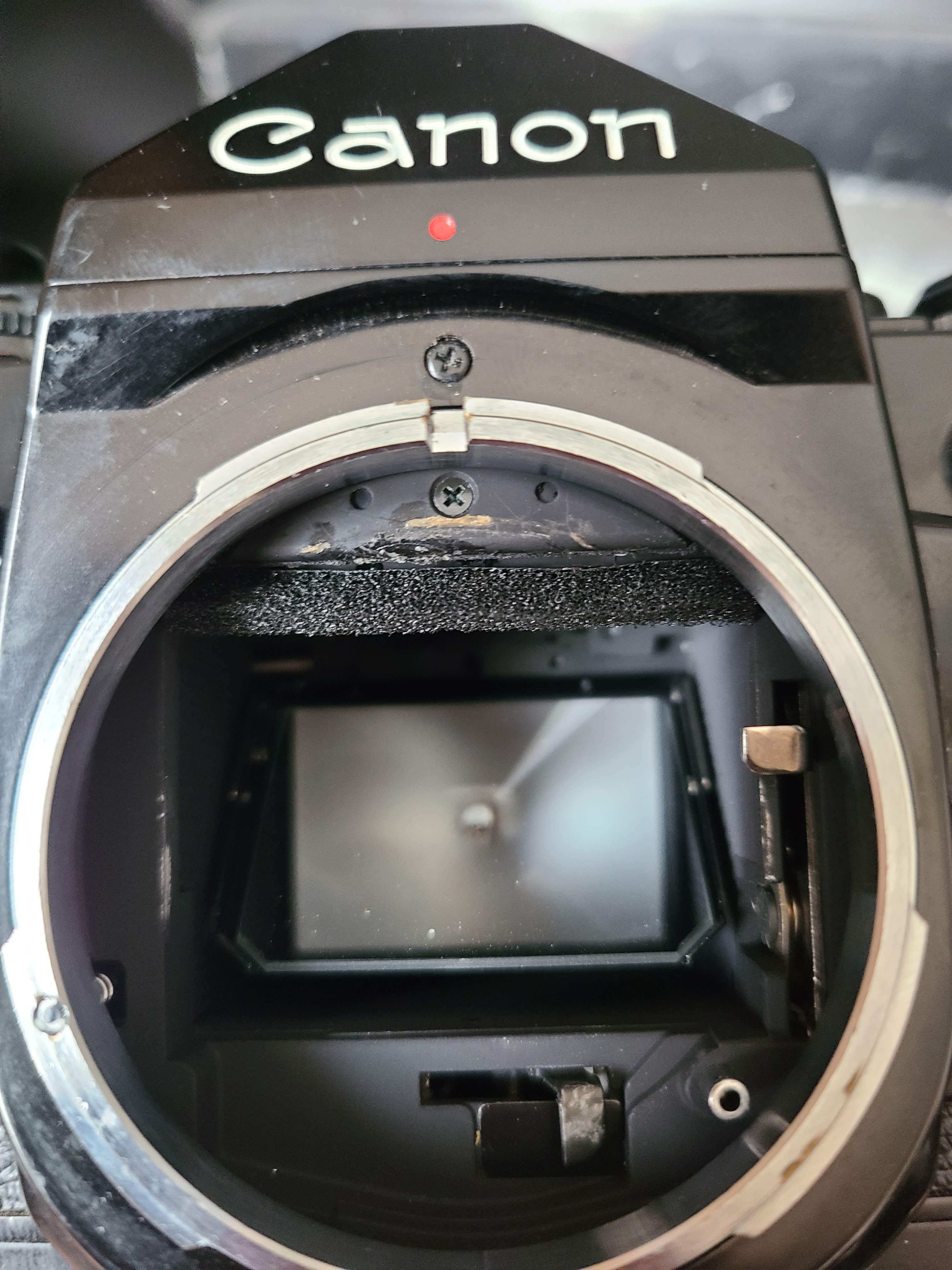
The eBay seller I purchased from made no promises other than the camera was clean and that it worked. To his credit, the pictures on the listing translated well to the actual piece I held in my hand. I knew that some of the foam in the mirror area was crumbling loose and eventually I’d have to replace that.

I also knew of the infamous “Canon squeak”: that none-too-pleasant squeal that occurs frequently in older Canon cameras when the shutter is released. While I hoped that mine would be spared it as I waited for its delivery, it was no real shock to me when the day I finally pressed that shutter button my ears were greeted by the most pathetic, airy squeak I could have imagined. It’s funny how, even as an inanimate object, my camera shows its age in an almost human manner with a sickly, old cough.

But as I said, it’s a common issue with these cameras. What had been confusing is the seemingly divided opinion on the seriousness of the issue. I’ve heard both that it doesn’t really impact anything and that it is also indicative of a larger problem that should eventually be addressed. I’ve likewise seen videos of simple fixes and then videos pointing out how those simple fixes can damage your camera even further.

Either way, I always intended to eventually have it addressed along with a full CLA on my camera — but I’ve long hoped that this would be something I’d need to do much later.

So when my camera shutter seemingly gave out all together after finishing up a roll of Ilford HP5, I was distraught. It was at my nephew’s first Little League game, and it’s now a funny anecdote to me that while I struggled to figure out the issue, my sister leaned in with a chuckle saying “this is why people don’t use film anymore.”

*Nervous, knowing laughter*

But this is where I will take a moment to heap some praise on the very real notion of the film community and my friend Luis (@luisesoteric) who really embodies the notion.

I really do get the sense that film photographers — from folks here in Corpus, to those I read on Reddit or even YouTubers — are so interested in keeping the medium alive that they are more than happy to lend their expertise to newcomers like me.

Luis also shoots with a Canon A-1 often so I hit him up from time to time for tips and advice. Naturally I did so when it seemed like my shutter was kaput, and he offered to take a look at it.

He sat and tinkered with it for a bit — opening it up from the bottom and observing all its inner workings. After trying several possible fixes that didn’t seem to solve the issue, he shot a few puffs from his air blaster into that bottom compartment and, after a few tries with some dummy film he had, the camera fired just as it had before.

But not only that, he also lent me a rad 28mm lens to try out (complete with a filter), gifted me the dummy roll, and imparted some sage advice when shooting with the Fuji roll I took with me on the trip: try shooting it at 200, rather than the box speed to get some nicer pastel tones. Absolute guru.

That advice proved sound as revealed in the scans I got back from the trip recently. You’ll see some throughout this post but check out the full gallery at the end of this post.

Upon returning from the trip, I also attempted replacing the crumbling light seal in my camera. It felt like surgery trying to get it right without dropping a single blemish onto the sensitive mirror. I think I did alright, though I’m wondering if I might have applied it on a spot more in front of where it once was. But I suppose I will see if that impacted anything when I get my current roll all shot and developed.


Tranquil spaces, unlocking memories

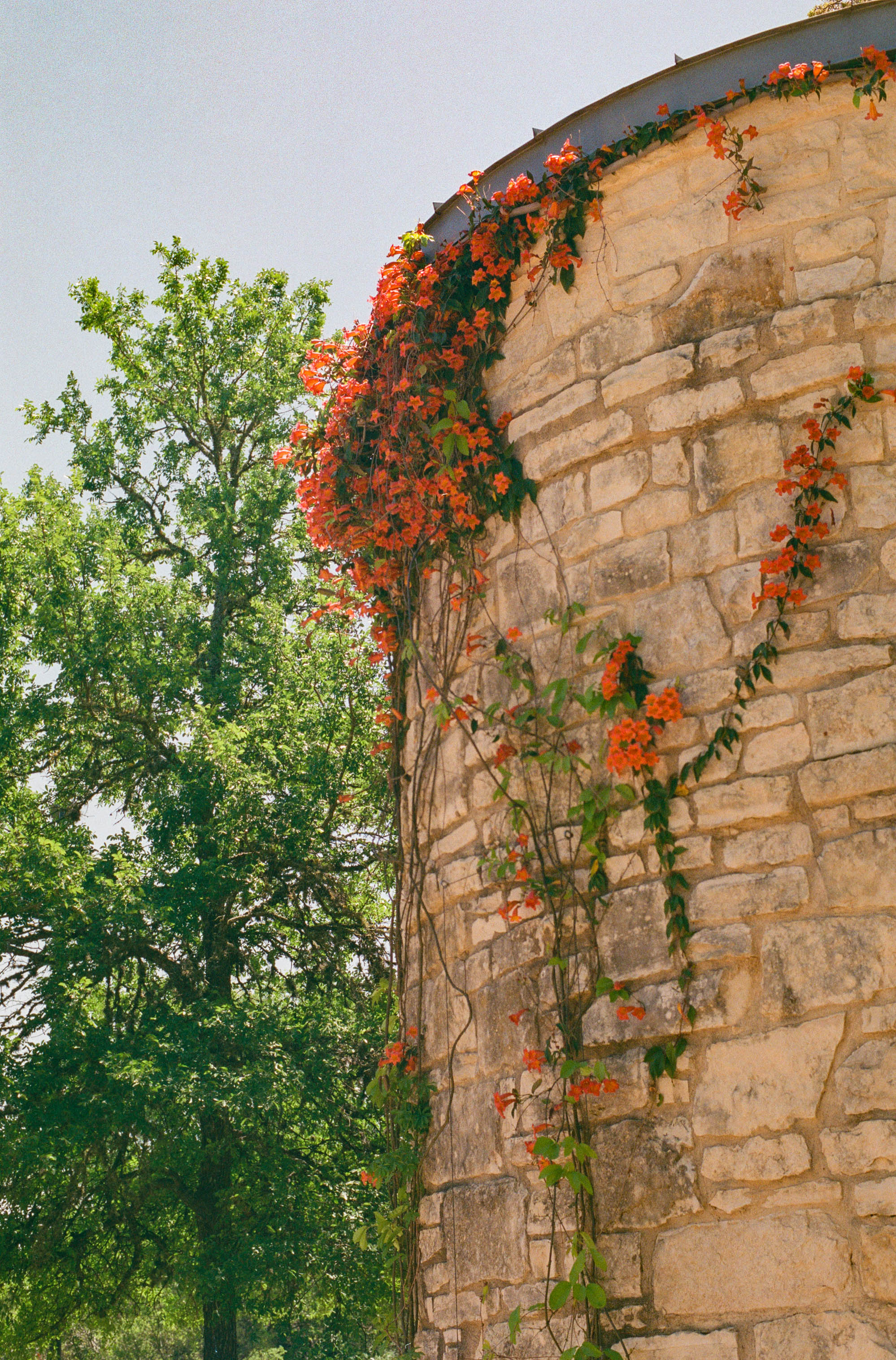
But back to the trip. Our journey took us up to the Ladybird Johnson Wildflower Center in Austin, followed by Wildseed Farms in Fredericksburg and Garner State Park the following day. Finally, on our return trip to Corpus, we stopped at the San Antonio Botanical Gardens.

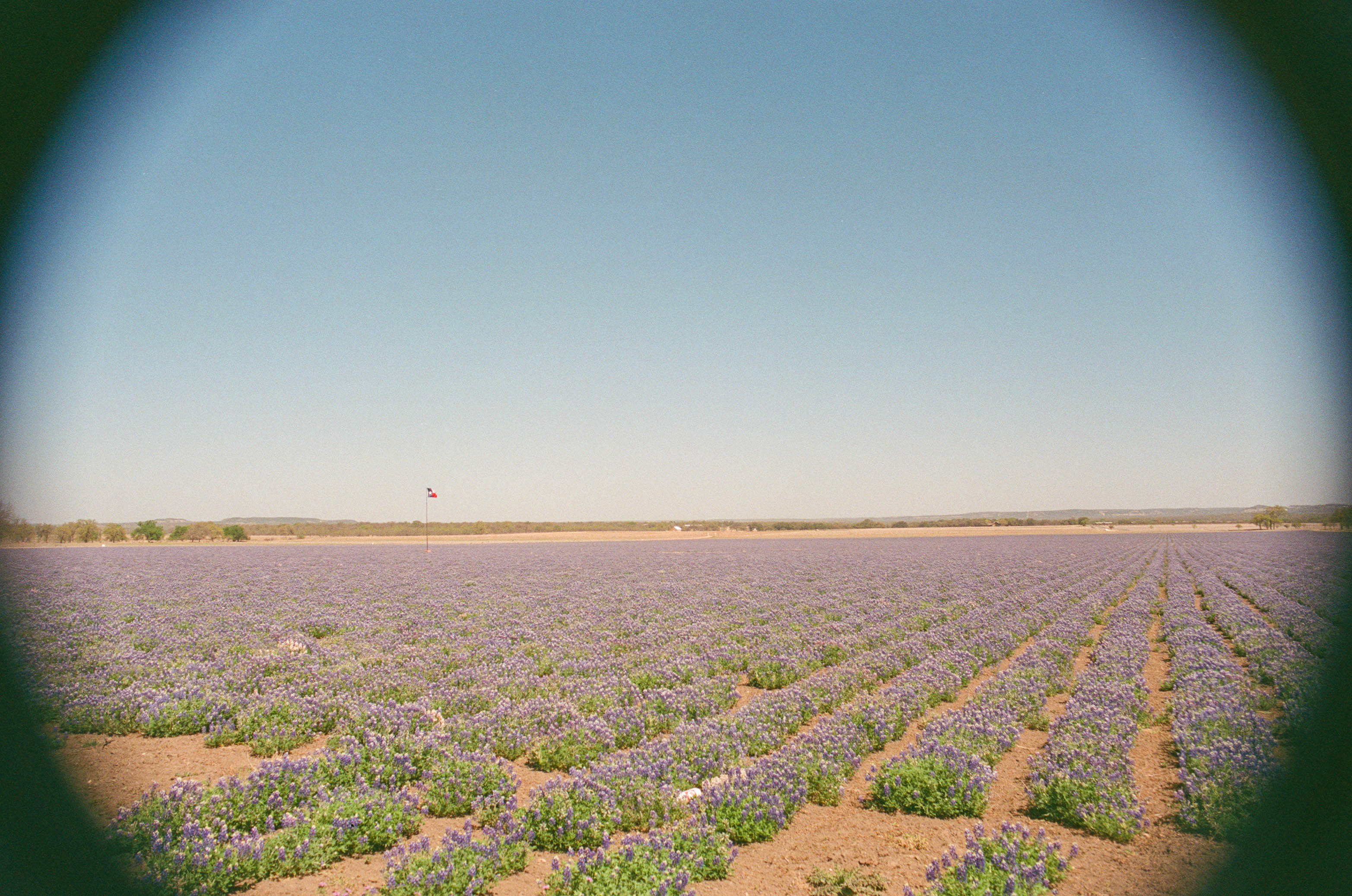
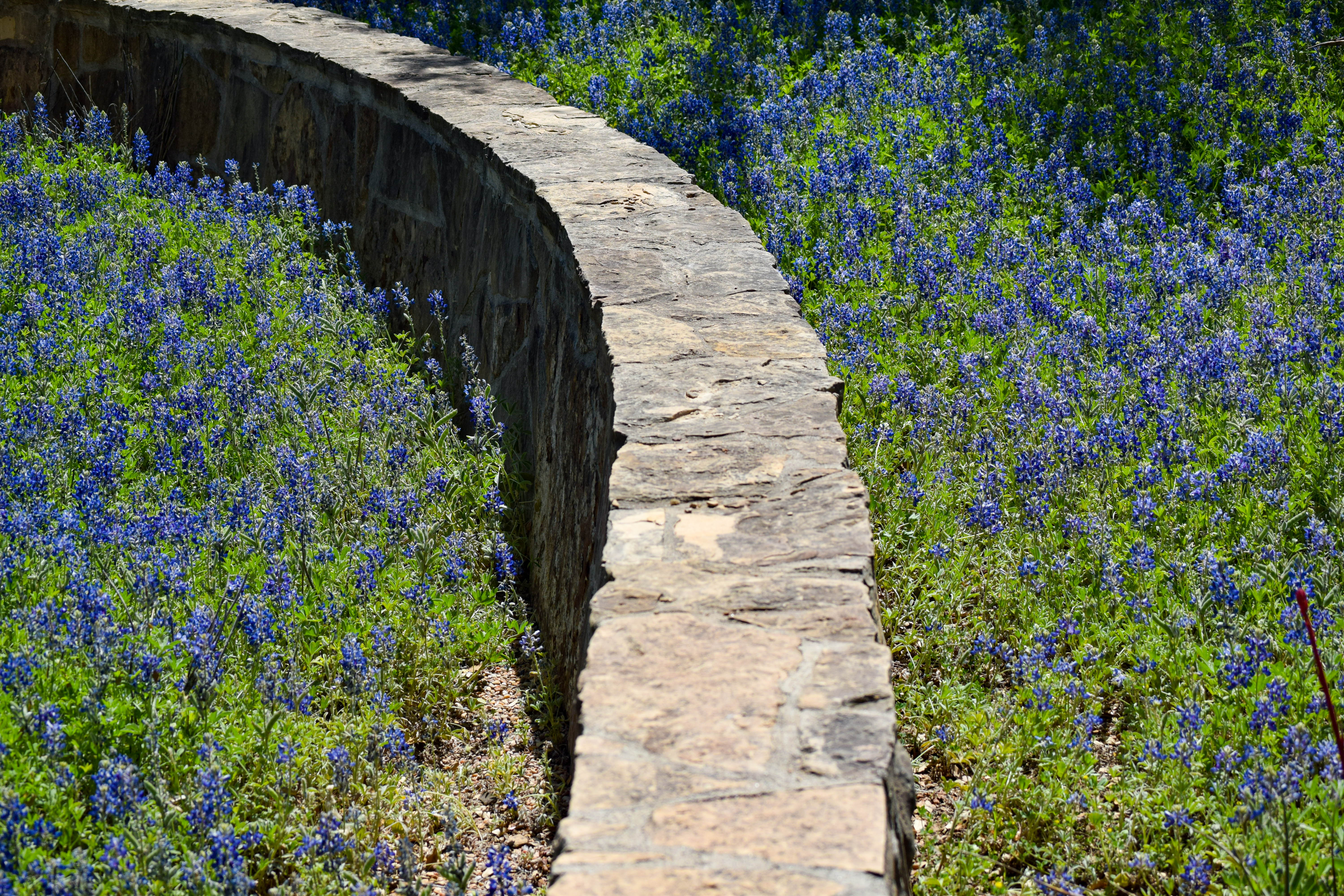
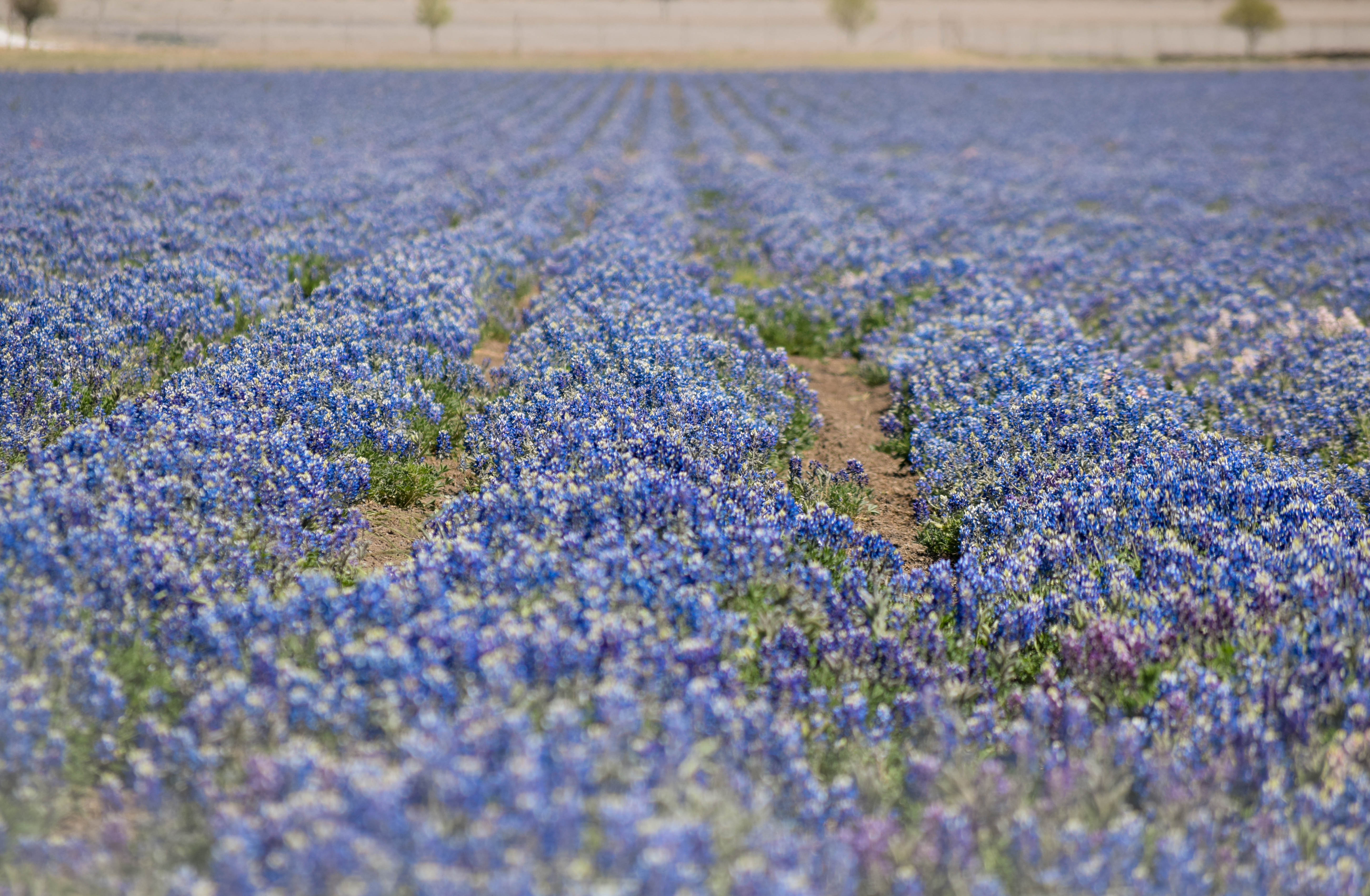
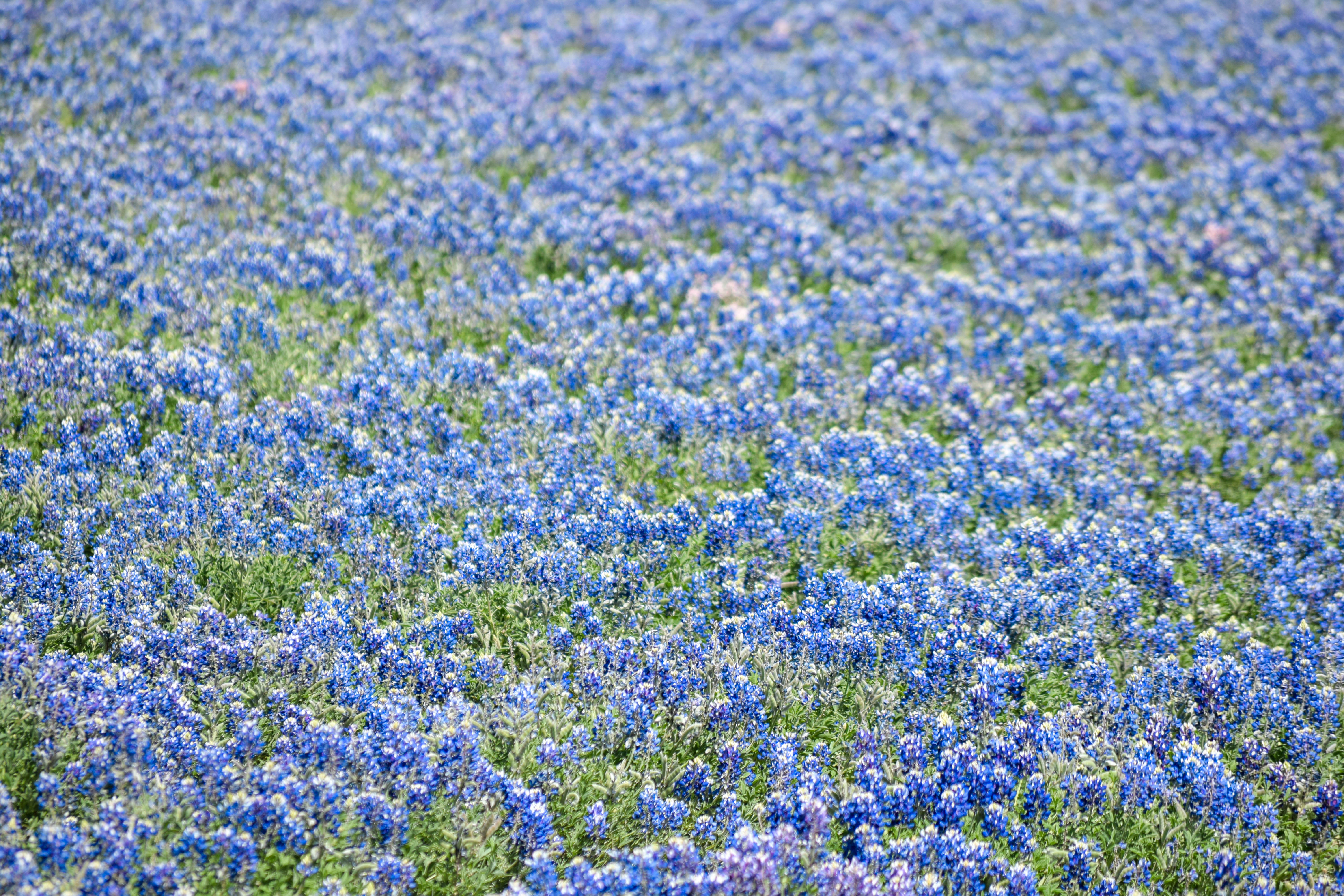
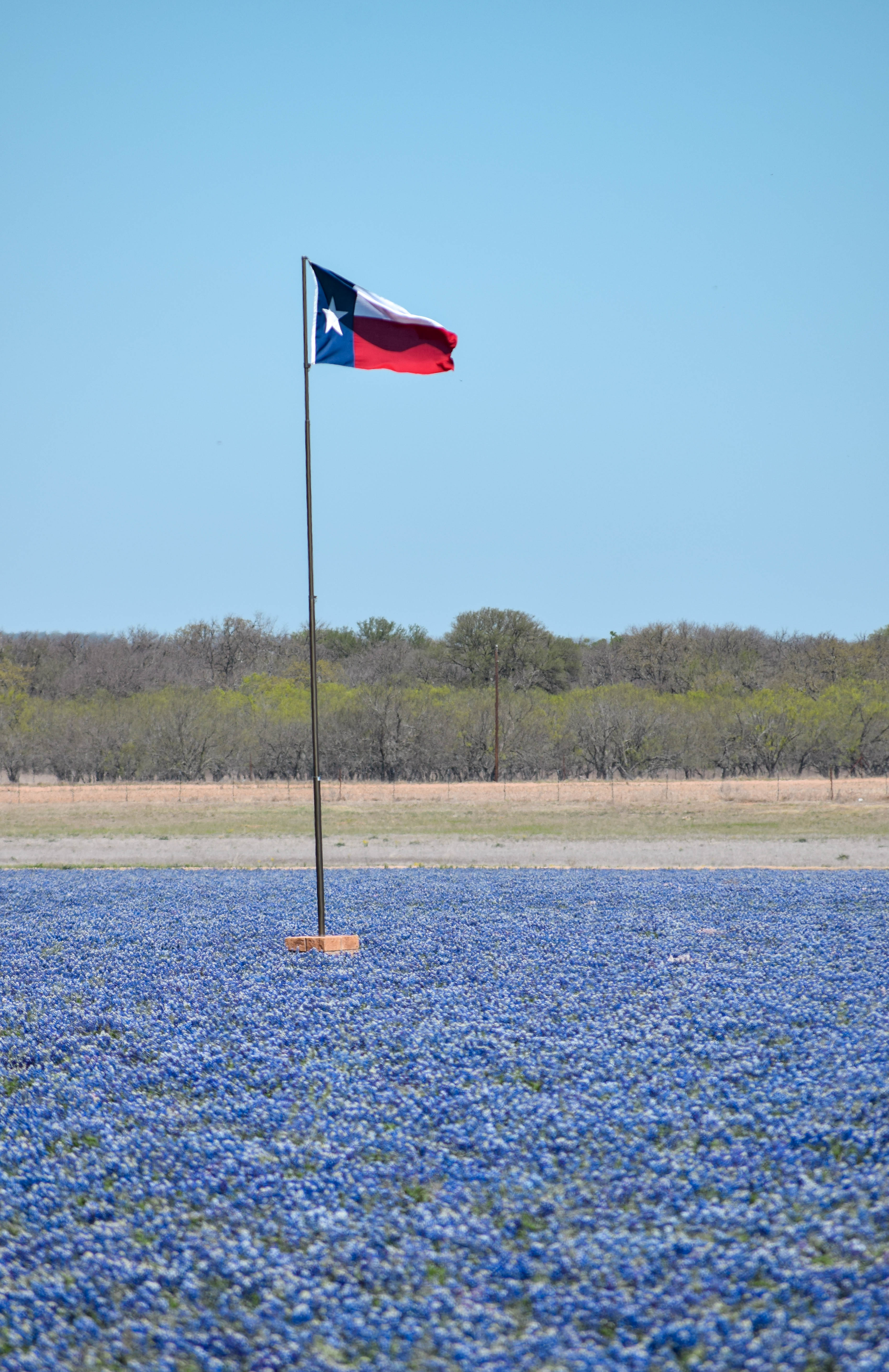
While Wildseed Farms brought us to the biggest bluebonnet field I’d ever seen and Garner — though very dry and packed with visitors looking for a dip into the Frio — still brought us some cool bird sightings, I’d definitely say the biggest highlights were the Wildflower Center and the Botanical Gardens.

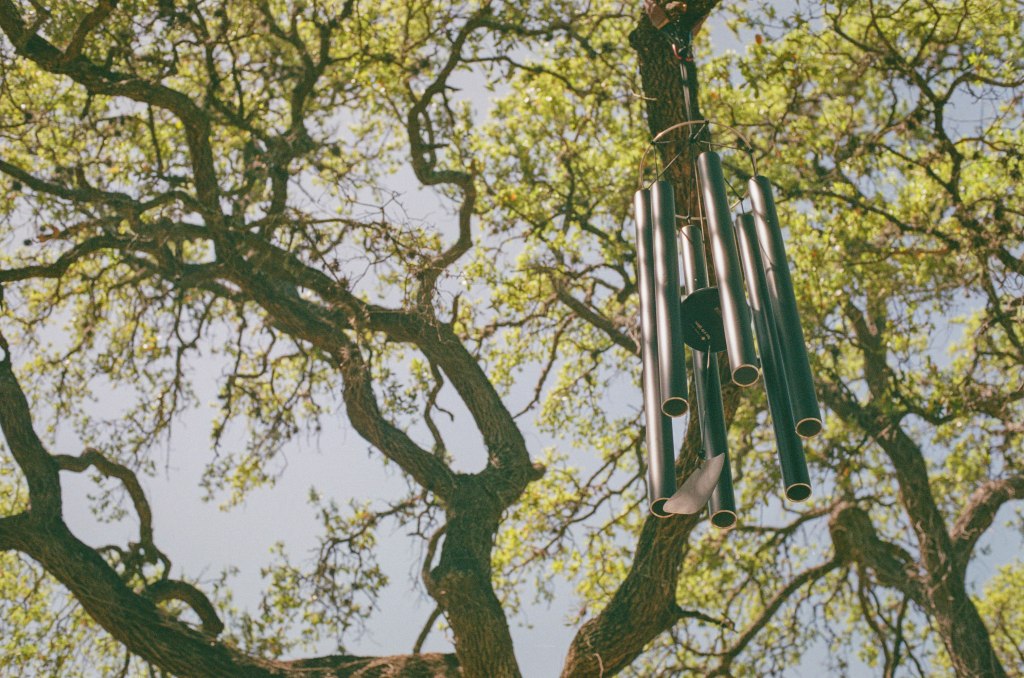
I admire so much places that manage to conserve a natural space, gently crafting ways to bring folks close to it so as not to disturb it, while granting the feeling of tranquility that comes when surrounded by nature. I felt this so deeply walking into the arboretum of the Wildflower Center. At one point we stopped to rest in one of the wooden swings that adorned the massive oaks and just listened as the wind passed through the branches, jostling the large wind chimes dangling overhead and settling onto the fields nearby.

Canon A-1, Fuji Superia X-tra 400, shot at ISO 200

That there is a library within the center is also fantastic — including a small house with multicolored windows containing children’s books for little ones who want to rest and read amid the sounds of numerous birds singing nearby. Such treasured moments that should be readily available to all.

Speaking of such moments, the San Antonio Botanical Garden brought to me a realization that had long puzzled me.

Throughout my life and as I’ve gotten older over the years, I’ve carried with me certain images in my mind. Some are more easily-connected to a particular memory: like the archways of theme parks or the road to my grandma’s house in Banquete that always reminded me of farms in picture books. But some I didn’t always connect easily to a memory — instead being something I assume I dreamed up or that I maybe saw in a movie and just kind of reconstructed as a fantasy place that my imagination sought refuge in at times.

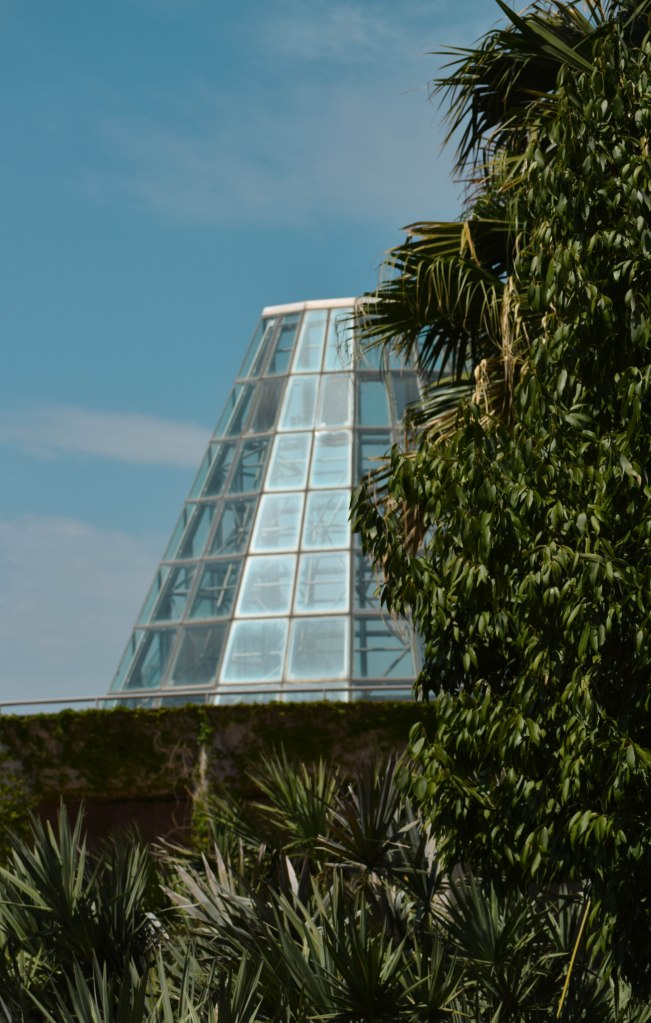
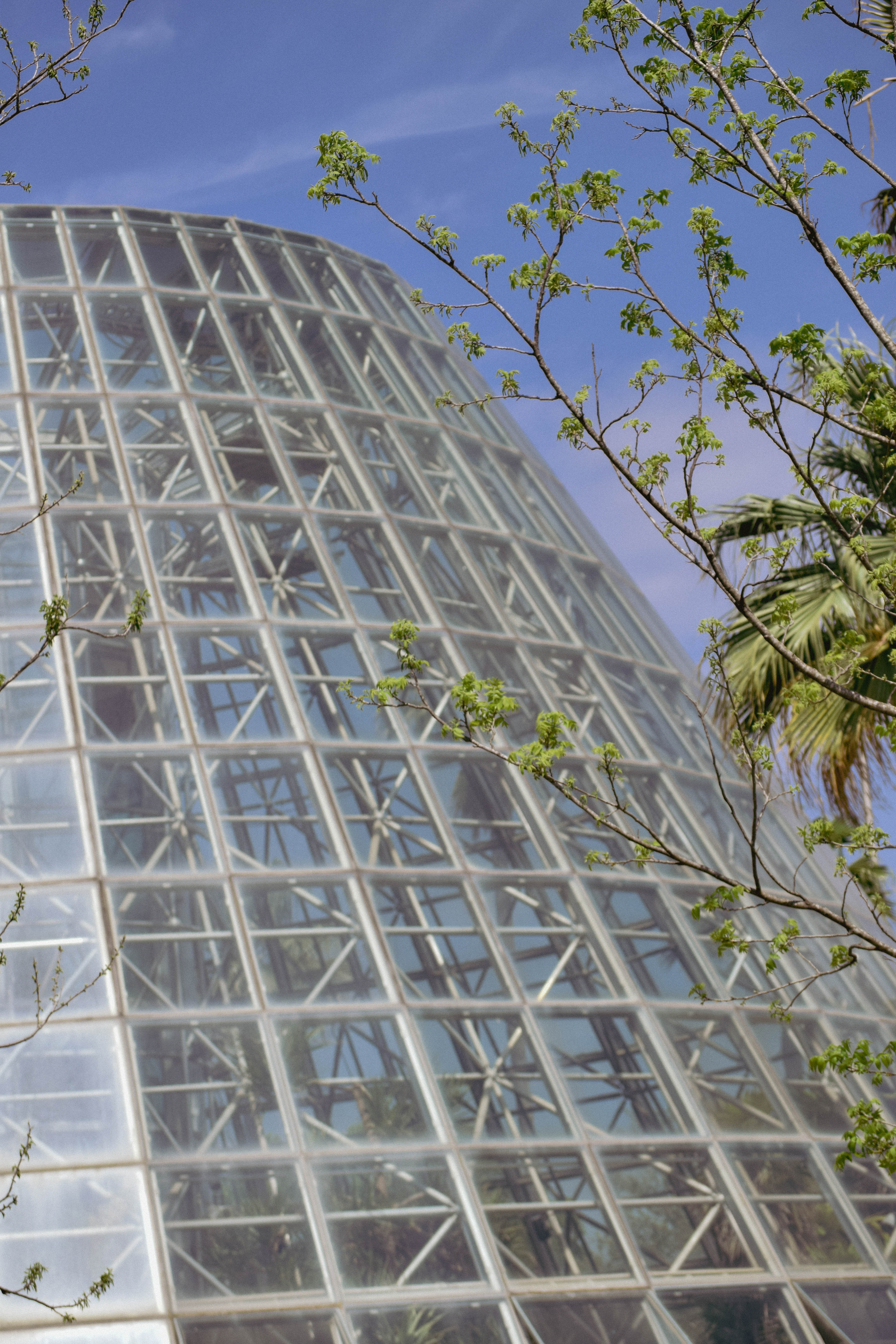
Nikon D5300, 50-200mm kit lens

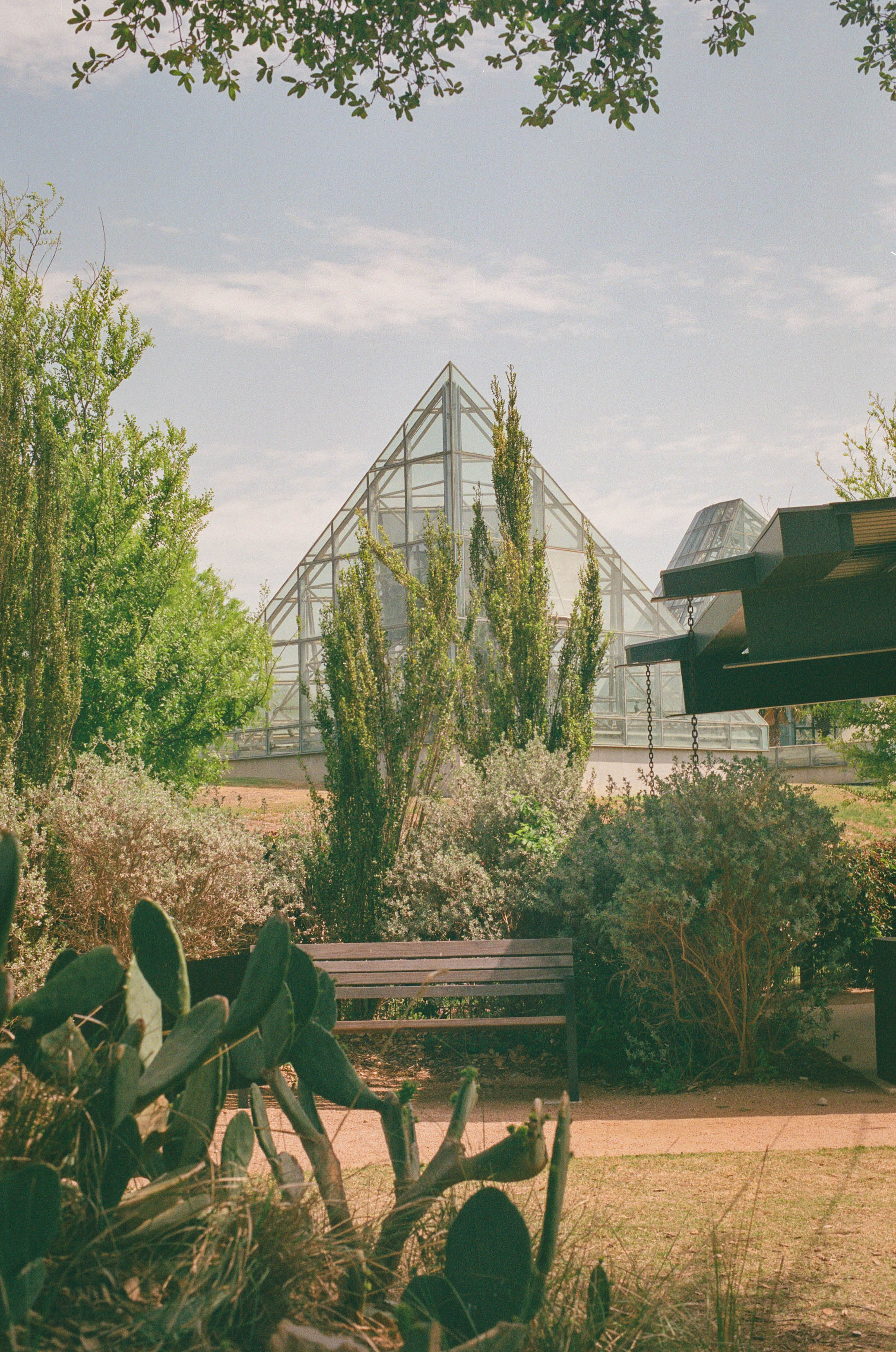
Well, walking along the botanical gardens and seeing the huge, pyramid-like greenhouses, I was overcome with a sense of déjà vu. The buildings looked almost exactly like an image I carried with me and dreamt about for years but never assumed was concocted from a place I’d actually ever visited. So when my mom revealed to me that we had visited when my sister and I were kids, it felt like a memory made real that I once assumed to be a dream.

In it’s totality, the San Antonio Botanical Gardens are a wonderful stop. There is so much to see, to admire. To detail every beautiful scene would make this already-long post into a novella. But know that, if you wish to wander a space for a few hours that gathers and celebrates the endless beauty found in the natural world, you could do worse than spend an afternoon here.

In fact, it was a perfect way to end our trip. Even if long stretches of the road end up being less than scenic, the allure of the journey is ever-present. While memories like that which I had to rediscover may not always remain clear, it’s doubtless to me that our sense of tying them to a place and to people contribute to our sense of outward and inward perception as a whole.

To capture a moment in a lasting image, at that, is simply one way to add to that wider tapestry which makes up our memory. As if upon a road with seemingly no end, they’re the signposts guiding us back to a treasured moment.

While my previous two entries were mainly film-centric, I will say I shot so much with my DSLR, as well, and that this probably is why I was able to contain my film shooting to one roll. It actually proved to be a good backup as a couple of shots I hoped to get on film did not turn out well for whatever reason (the main probably being that I suck) but I seemed to have captured what I was going for on digital. For that reason, I’ve included photos from both cameras in this post and have labelled them as such.

All film photos developed and scanned by Gelatin Labs. As usual, any thoughts or feedback are welcomed and enjoy a little playlist to go with this post.

Until next time.
Film gallery first. All shot with Canon A-1 on Fuji Superia X-tra 400 at 200 ISO.
Following that is a gallery for my favorite DSLR shots, all shot on my Nikon D5300.

Mumbler Radio Episode #6: “Music and Memory with Daniel Lofredo Rota”

When it comes to doing interviews, once in a while you engage with someone who touches all the bases of having both a passion and a seemingly boundless wealth of knowledge to share about that passion. They make the job of rooting out the story both easy and incredibly mesmerizing.

Daniel Lofredo Rota (aka Quixosis) is one of these absolutely engaging individuals. A musical artist based in Quito, Ecuador, I first learned of Lofredo Rota through his show Closer to the Sun on Worldwide FM. It just so happened that the episode of his show I listened to featured the artist talking extensively about, and playing music from, an amazing project he had spent the last few years working on: compilations comprising songs from a long-lost Ecuadorian record label named Caife.

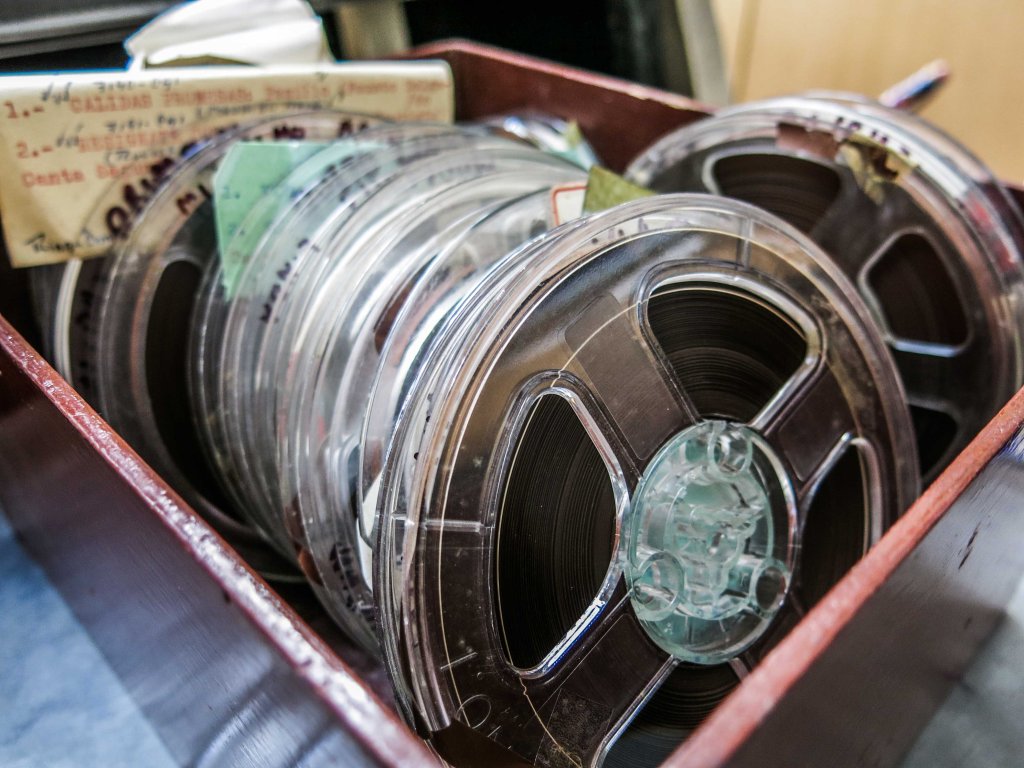
The songs were discovered following the passing of Lofredo Rota’s grandfather, Carlos Rota, on hundreds of reel-to-reel tapes buried beneath tons of assorted papers in his grandfather’s office that Lofredo Rota and his cousins were tasked with cleaning out. Identifying the music and artists on the tapes, and digitizing them, became an obsession for Lofredo Rota: “I knew it was going to be long, and I knew it was going to be mine, but I knew it was going to be worth it.”

Photos provided by Daniel Lofredo Rota

Fast forward to 2022 and we now have the release of three compilations featuring recordings from those tapes through Honest Jon’s Records: The Paths of Pain, A Heart in Splinters, and Impossible Love Songs from Sixties Quito. In addition, a podcast chronicling Lofredo Rota’s journey with this music is soon to be released.

I’ve long had a fascination with the music of Latin America, particularly the array of artists active in the twentieth century that posed a sort of alternative to the cultural hegemony established through the proliferation of U.S. pop culture across the continent. So when I learned of these compilations, and the sort of insight they provide into Ecuador at that particular moment, I knew I wanted to learn more.

I was able to interview Lofredo Rota back in November and the experience really reaffirmed what it was that made me gravitate towards these recordings. Lofredo Rota has such a boundless knowledge of this music, but it’s also the importance he sees in it — as a means of recapturing collective memory that could have been lost — that really makes his insight special. For Lofredo Rota, it’s not simply about sharing old recordings, but of adding to a process of reasserting his community onto a timeline at a moment when it is easy to feel separated from one’s history.

It’s a process that Lofredo Rota says is important for any historically marginalized group, and I wholeheartedly agree.

As I mention at the beginning of today’s episode, there were some technical difficulties that hampered the interview. While I only really had to cut one question and answer due to this (though it was a good one), I consider the biggest loss of this to not having been able to carry on the interview as more of a conversation. I often had to deliver my question and watch a very choppy and laggy response come through my Hangouts window — catching glimpses of what Lofredo Rota was saying and knowing that I would have loved to engage more because, again, his insight and passion towards this project is infectious.

But, overall, I’m just glad I have what I have to share. As I state at the beginning of the episode, I owe a huge debt of gratitude to Daniel for not just his patience with those issues, but also his offer to record audio on his end for that second half.

Listen to the episode below or check it out on Mixcloud here.

Follow along with Daniel’s music and more updates on this project at his Instagram page @quixosis.

I also highly recommend the fantastic blog series he wrote up for it for Sounds and Colours here.

And I highly encourage purchasing the compilations: The Paths of Pain, A Heart in Splinters, and Impossible Love Songs from Sixties Quito. Just click the title to be taken to the Bandcamp page.

Updated 5/28/2022: Rota’s podcast chronicling this story, entitled Sonido Perdido: CAIFE, was also recently released. You can listen to the first episode below and find the rest on Spotify. English version is soon to come.

Episode 6 Tracklist

“Sangrante Corazon” – Hermanas Mendoza Suasti
“Vaca Lechera” – Conjunto CAIFE
“Ingratitud” – Mendoza Suasti
“Desesperacion” – Benitez y Valencia
“Mi Ultima Ilusion” – Duo Aguayo Huayamabe
“Sendero de Dolor” – Segundo Bautista
“Cotopaxi” – Biluka y Los Canibles
“El Anacu de Mi Guambra” – Biluka y Los Canibles
“Dulce Mirada” – Olga Gutierrez
“Palomita Cuculi” – Gladys Viera
“Chola Cuencana” – Raul Emiliani y Hector Bonilla
“Lejos de Ti” – Los Tres Ases

Photo Log #2: Dreaming in black and white

Wednesday, Feb. 2, 2022, 3:00 PM

“There’s just something about it.”

That’s what I feel like I tell myself when I build those silly scenarios in my head where I have to justify why I like the look of black and white, let alone want to shoot it.

It’s a timeless aesthetic — so strongly rooted in how we imagine the past and now seemingly taking a place as a purely artistic medium ever since color became possible across the recorded visual arts. If one were to look at the production of film and photography on a solely utilitarian sense, then it might seem illogical to want to fall back on a look that for all intents and purposes is obsolete.

But, to some, film photography in general may seem like a nonsensical field to venture into at this point in history, so there really is no reason to explain further when you’re already here I’d say.

In any case, shooting black and white has been something I’d wanted to try since getting into film photography — firstly because the aesthetic and secondly because, frankly, it’s cheaper (thanks, Kodak price jumps).

I’ve been sitting on a roll of Eastman Double-X that I bought when I first got that simple point-and-shoot back in December, but, because it’s still a little pricier, I’ve refrained from shooting it until I’ve got the hang of things a bit more. I’ve also got a roll of Ilford HP5, which seems to be one of the more popular stocks and comes highly recommended across the film community.

But for my first B&W shoot, I opted for what might be considered a budget option: Fomapan 400.

Produced by Czech company Foma Bohemia — in business since 1921 — I’d certainly say there was a historical allure to their line of film stocks for me. I read somewhere that they were one of the main film suppliers for the USSR back in the Cold War era and the traits of the film — particularly its high grain content — really gives it a look straight out of the annals of history.

This is, of course, an easy remedy in Lightroom but not really something I want to have to do a lot of.

It really delivered on this essence in this first roll but, boy, do I have to say: it’s contrasty as hell! I shot at the box speed of 400, but after reading several posts and articles on it, I learned that it is actually perhaps closer to a 320 or even 200-speed film, meaning a lot of my shots ended up underexposed. While I loved a lot of the shots I got (more than I thought I would, in fact), there certainly were several where the subjects kind of got lost in the shadows.

This roll panned out the way I figure many may go for me — shot over the course of days, or even weeks. While that first post I made centered around a roll I shot the total of in one outing, the reality is I usually don’t make the time for full shooting trips, only taking the moments as I can find them on my days off.

For this roll, I started out on a relatively gloomy day — kind of what I had been waiting for to shoot in black and white because I felt the shadows and fog captured that certain noirish quality we all seem to love about old films.

I started out by the shore, hoping to capture the fog out on the sea. I had stopped by the new Cole Park pier some weeks back on a sunnier day — impressed by its revitalization while still repulsed by its hostile architecture, as if the gloss of the new can subtract from the strict control commercial logic places over public space. I did, however, take one of my most favorite shots from this roll — seeing the black and white rocks that buffeted the land from the seawater as something that would naturally render well on this film.

However, the setting was still a bit too new to me. That’s not to say you only have to shoot old stuff with black and white, but I had thoughts in mind of what I wanted to capture and I wasn’t going to find it at the city’s latest tourist attraction.

Keeping with the sense of the past, I took the time to stroll about Heritage Park a bit — taking in the architecture of the old buildings and sense of solitude within the square. There was an odd contingent of cops on motorbikes having a meeting in one of the houses and I occasionally spotted folks working at their desks in some of the buildings but, overall, I felt like I kind of had the park to myself.

I walked a bit around the area and surrounding streets, looking in particular for subjects that might bring about the contrasts that render so well in black and white. See more of these shots in the gallery below.

Subsequent weeks I took my camera with me around town — to the library, to a nearby park, to a favorite nature trail. My mind was keyed largely on what the look of black and white might add to a scene, rather than what was in the scene itself.

I’d seen videos on how to “see the world in black in white” — some of the numerous I watch nightly to fall asleep to. However, I can’t necessarily say I gleaned as much from them as I would from simply my love of the aesthetic over years, particularly in the realm of cinema.

With the great Monica Vitti’s passing earlier this month, I recently watched Michaelangelo Antonioni’s trilogy of L’Avventura, La Notte, and L’Eclisse, and understood anew why the films may have given him a reputation of foregrounding visual beauty before, but not necessarily to the detriment of, plot. How the environment frames the characters of La Notte, further crowding them visually as they wrestle with their own inner turmoil, I found so wonderfully evocative in particular. An argument could perhaps be made as to whether the same emotional effect would have come across in color — I certainly think it could. But again, there’s “just something about it,” and I think that “something” may in part be how deeply we might connect emotionally with an image when we’re forced to reckon with its substance with a bit less noise.

Perhaps this is another reason I gravitate to this medium. A career in cinema was once a dream of mine that I long ago allowed to die, but I still think my creative ambitions owe a debt to that foundation. I think, at times, I may look at some of these photos and feel a strange sense of familiarity, as if encountering a dream as an old friend — one you once held close and inspired you, and to whom you embrace as if you never thought you’d see them again.

Check out more of my favorite shots in the slideshow at the bottom of this post. All developed and scanned by Memphis Film Lab. As usual, thoughts or feedback is welcomed, and enjoy a little playlist to go with this post below.

Until next time.
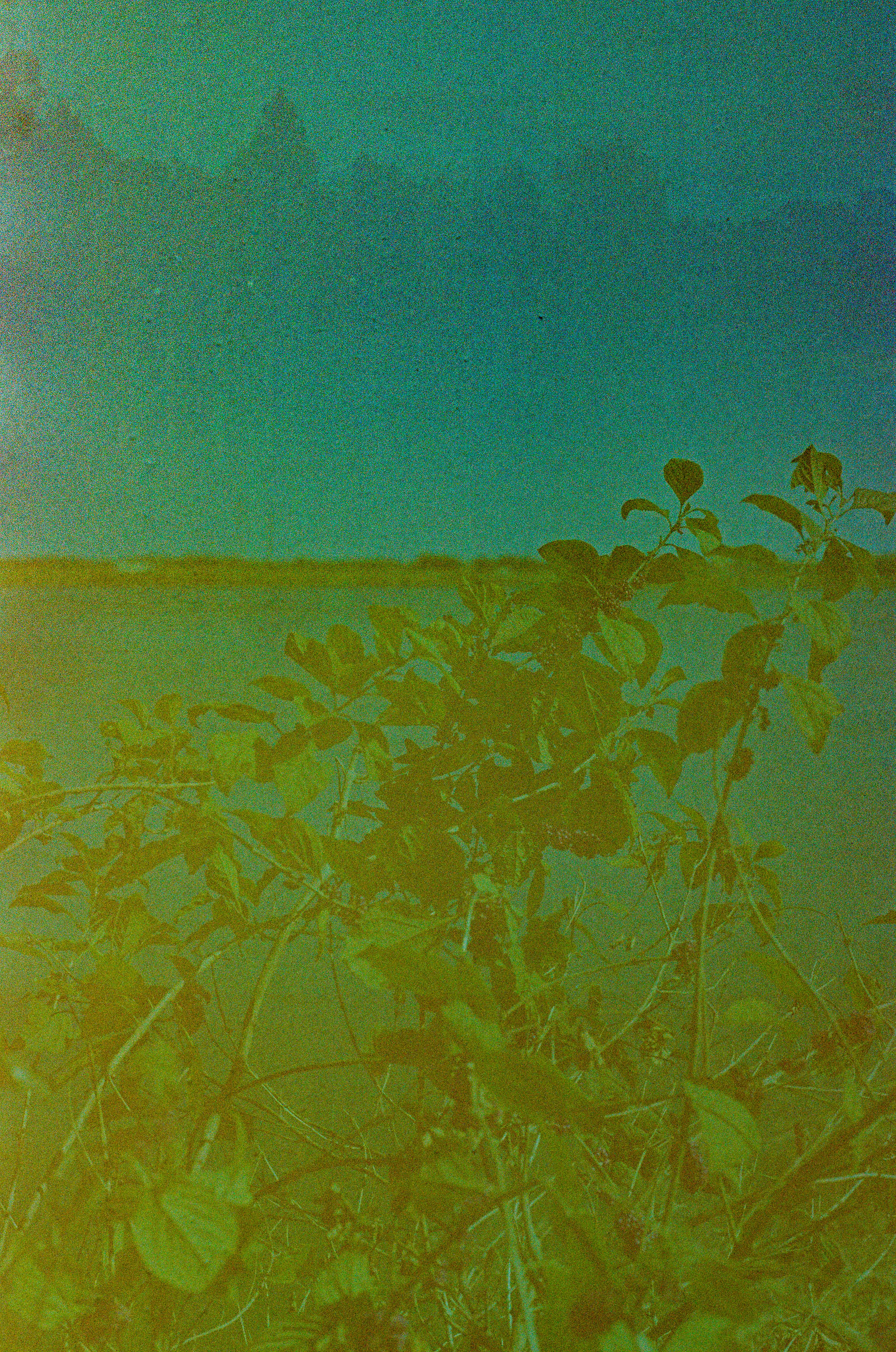
Photo Log #1: First Canon A-1 Outing

Wednesday, Jan. 19, 2022. 3:30 PM. 85°F, clear and sunny with a cool breeze.

It’s sad enough the hours of life you lose to work, but it’s all the more compounded when the days that pass by are absolutely beautiful.

That certainly was in the back of my mind as I watched the days go by between the moment I finally received my Canon A-1 and my weekend. How badly I wanted to go out to shoot with it, to really put to the test all the videos and articles I’d been reading on its functions and the general tips on getting great exposures for film.

Finally the day I’d been anticipating rolled around. And, thankfully, it followed the trend of near perfect weather.

Being Texas in the winter, of course, this would be a moment I’d have to take advantage of or else be in for more of a wait. While we were enjoying spring-like weather at the time, the very next day promised a dip into the 40s with rain and sleet possibilities. It’s always an interesting dynamic — venturing out in shorts that afternoon knowing the very next day would be sweatpants and pozole weather.

I dwell on the weather mainly because I knew it would determine more the kind of shooting I hoped to do than what I was used to dealing with using my DSLR. I’m at the point where I’m still learning film, and I’m cutting my teeth on a pretty basic color stock: Kodak Ultramax 400.

Forgive the boring tech talk to follow.

When I was a kid, the numbers on the box never really meant anything to me. However, now I know it’s indicative of the film’s speed or ISO/ASA — its sensitivity to light. 400 is a speed I understand to be relatively flexible — a good middle ground between the slower speeds (200 and less) that are meant more for bright sunny days and the faster speeds (up to 3200) which perform best in low light or night situations.

This was important to keep in mind because my lens, the 50mm f1.4, certainly has a wealth of aperture settings that I hadn’t used before — namely the 2.8 and lower settings. Such wide apertures promised beautifully blurred backgrounds when focusing on subjects, but the dynamic I’d never really considered when shooting digital is that now the film’s speed factored in here. Open up that aperture too much, and I’d risk overexposing. That’s not to say ISO isn’t a factor in digital photography, because of course it is. But like I’ve mentioned previously, I’d mainly shot in Aperture Priority mode where the camera basically handled ISO and shutter speed. Now, I felt I had to pay closer attention because the speed of the film couldn’t exactly change. It’s a physical property.

In essence, in my mind so nurtured by the ease and flexibility of shooting digital, I wondered if I could still get away with shooting wide in sunny situations. I felt the only way I’d learn for sure, is the hard way.

I ventured out to a familiar haunt: The Hans and Pat Suter Wildlife Refuge. It became a favorite spot ever since I thought I saw an owl back in December and spent the next couple of weeks making it a point to stop and see if I could spot it again.

But also I’m just enamored by the trees found throughout it. My favorite, perhaps, being the great leadtrees — found only in South Texas from what I understand — who boast magnificent branches ascending into the sky and display such a vibrant shade of brown that comes out well when photographed (see cover image of post).

While you never fully escape the sound of traffic from the road that runs nearby, as you walk along it does get muffled and your ears begin picking up the subtler sounds of the refuge — unknown creatures rustling through the grass, the wings of birds flapping between the branches, the wavering of leaves as the wind runs free through them. It’s one of my favorite spots simply to focus and do a bit of reflecting, though I learned recently its status as an indigenous burial ground so I’d be remiss not to add that it is very much a sacred space, as well.

I brought along a small notebook. My game plan was this: this first roll would mainly be a trial roll. I’d test my wondering about opening apertures wide in certain lighting situations — jotting down the f-stop and shutter speed for each exposure, following or straying from the Canon’s internal light meter, and essentially comparing the notes I took with the scans I would eventually get back a week or so later. It’s kind of a long, drawn-out process when you think about it, but I figure most learning processes take time.

Right off the bat I wanted to test out my thoughts on how shooting at a wide aperture might go over in such sunny conditions. To my surprise, the resulting image (on the left) doesn’t appear as overexposed as I thought it might. I can certainly see the kind of weirdness that resulted with the shallow depth of field that came from shooting wide, but I actually prefer the colors in this shot over the one on the right.

However, I do prefer the overall look of the image on the right. While the leaves in the foreground are strangely darker, I like that you can make out the background details a lot better. The clouds are fluffier, and I do love me some fluffy clouds.

There’s a variety of things I’m thinking about now that I’m looking at these two comparisons. Several of the photos from this roll came out looking a bit darker than I thought, even as I followed the light meter for many of them. I think for this I can either 1) go a bit wider than the suggestion in the meter or 2) try pushing the film instead. I shot with my camera set to the box speed of 400, so in similar conditions I think I might try shooting at 200 instead. This has been a suggestion of many YouTubers I’ve watched, but I wanted to try and see for myself what it looked like going the normal route first.

Shot at f6.7, in some shade.

As I continued along, I noted what my meter read as I shot — sometimes following it, sometimes going a bit wider. I’ll admit, I think there was a kind of adolescent desire to shoot wide even if the meter advised against it simply because I hadn’t ever had a lens with that ability before that point yet.

Another thing I’m keeping in mind now while looking at the scans is that, while shooting wider may not have overexposed to very much detriment, there were instances where I was disregarding where the sun was positioned. I believe that’s what contributed to the darker look to the foreground leaves in the aforementioned comparison photos, as well as this one off to the side.

The big thing I was delighted by after seeing the results, however, were the colors that were captured. It’s no secret that one of the aspects that draws photographers to film is the way color is rendered — appealing to that sense in our consciousness that responds with nostalgia. I can only describe the way the palettes in each image are rendered as being rich, capturing both a moment and a memory.

Enjoy some of my favorite shots from this first roll below. All photos developed by Gelatin Labs. Feel free to comment with any feedback, and definitely suggestions. Also, enjoy a short playlist I curated to go along with this post below.

Until next time.
The Film Bug

Somewhere in the numerous articles, videos or social media posts I’ve consumed in a semi-hypnotized state the past few weeks I came across the phrase, and it certainly rings true to my condition: “bitten by the film bug.”

Apparently this is something any photographer can fall prey to in this digital era — from amateur hobbyists like me, to lifelong professionals. Once bitten, a budding curiosity snowballs into obsession as you take a deep dive into a fervently impassioned community all with a wealth of knowledge to share about analog. Suddenly, you too want to turn back the clock a bit.

There are numerous reasons for this. Nostalgia, such a potent force on many levels of our cultural landscape, might beckon an individual to abandon their filters and presets and instead go for The Real Thing™. Or, perhaps, the adventure promised by film photography — with its emphasis on really embedding value in each shot lest you waste a frame and eventually spend your whole roll — rekindles the kind of passion that makes one really want to slow down and spend more time composing your shot. Or perhaps it’s none of this, and it’s really just something one picks up for the fun of it (though it’s kind of an expensive joyride).

Whatever the reason, it goes without saying that the medium certainly has found many adherents in recent years, and now counts me among them. For me, I’d say I check each of the boxes above when it comes to motivation, with an emphasis on the second.

Aside from the photo of my Canon, all shots in this post were taken with a Kodak point-and-shoot I picked up from Renaissance Antiques.

I’d been wanting to delve into it for a couple of years now as I saw the work produced by super talented friends on Instagram (among them @luisesoteric, @maloneshootsfilm, @sandovallens, and @conjure333). The thing that kept me from taking the plunge, however, was my tendency to overly plan meticulously before going in on something.

In this case, I debated for over a year on whether I wanted to buy myself a good film camera or, instead, a new prime lens for my DSLR. This past December I began frequenting Antique Row in the hopes I’d come across a reasonably-priced film SLR. I picked up a basic point-and-shoot before Christmas that staved off the hunger for a bit, but I was shortly back into the market for an SLR.

I am, uh, not proud of how often I refreshed Facebook Marketplace or eBay in the last couple of weeks leading up to me finally going in on something. After some research into good film SLRs for beginners, I had an idea of what I wanted (either a Canon A-1 or Canon AE-1P) but let slide one AE-1P and Minolta-X700 that were going for great prices because I hesitated and they got snatched up (they hadn’t had assurances that they worked, but then they also didn’t say the didn’t). This is the other aspect of my overly-meticulous planning: when the opportunity presents itself, I often hesitate if there isn’t a guarantee.

Finally, my top pick, a Canon A-1, came up for a deal the other day and, after some prodding from friends, I went in on it. It was a Monday and got delivered on a Friday and believe me when I tell you that I was deep in the throes of anticipation during those hours in between.

A gorgeous model with barely any blemishes. Not bad for a camera released over 40 years ago.

It’s funny because as I plunged into this world — teaching myself the functions of the camera, the varying ways to get the right exposures, the history of the medium, etc. — it almost seemed like this wasn’t a format any of us grew up with. Naturally, as with any child of the 90s or earlier, it was — though keeping metering in mind with an SLR is certainly a far cry from me throwing a disposable camera into my backpack to snap a few photos on a field trip.

I think it’s because when I was a kid, the function of photography took precedence over the artistic qualities. It was for capturing memories, retaining all the faces and moments we look back at with such love when we pore through old photo albums.

I can’t help but wonder, when looking at film as a medium now as an adult in the digital era, it’s not that it’s less about capturing memories but also about capturing feeling — a sense that doesn’t always come through when letting your shutter fly on a DSLR. I can write a whole other blog post about finding refuge in nostalgia amid a cultural landscape drained of meaning through the logic of commercial aesthetic, but that may be for another day. For now, at least for me, I can’t help but acknowledge all this is part of film’s appeal to me.
On the whole, though, it’s fun. Photography has become fun for me, so engaging in this other format has certainly added another jolt into that enjoyment.

One of my favorite anecdotes I like to tell folks about my personal history with photography is how I was probably the worst photographer in class when I took Photojournalism during my first stint in college. Moments like when I went out for an assignment and came back with photos of a cat, or the time I appeared in the paper after election night because I found myself on the wrong side of the camera trying to get a shot of the newly-elected mayor, or the times I left my lens cap on… all added up to a reputation that kept the camera out of my hands when a good shot was needed for a story.
I think, for the most part, I can thankfully leave that reputation in the past now.

It takes me a long time to ever say I’m good at anything. I think that’s more a testament to my general self-deprecating nature than anything, but I will at most say I’m competent at something. I think I’m at the point where I can say I am finally competent at photography, at least to the extent where I am certain I can come back with something of use if given another assignment.

But the main thing with photography, is it’s hard for me to settle on what I’d actually consider a level of being personally good at the medium. At the moment, it’s only partly about composition because I recognize that how a photo is received is largely subjective. When I shoot, I try and capture something that caught the attention of my mind’s eye and it’s only natural that everyone’s perspective may or may not share the appeal.

Film certainly is a gamble, too. You don’t know if what you shot came out how you envisioned it until you get your scans back. But when it works, like I feel it did for me here, it’s a moment of excitement.

Instead, I think my main drive right now is to learn more the technical aspects of photography. I’ve lived on Aperture Priority on my DSLR for so long and the fact the Canon A-1 has this feature means I intend to use it starting out. But really getting the hang of Manual remains that one nagging thought in the back of my head.

Another cool thing about picking up film, though, is I’m already noticing how much I’m better understanding principles that I feel will help in digital, as well. I’ve revisited the Exposure Triangle so much in recent weeks, as well as delved into understanding exposure compensation, which I think has finally helped me understand why some photos I took on my DSLR often came out brighter than it looked to me in the viewfinder. Go figure.

However, in terms of aesthetics, I certainly am looking forward to trying new things. The Canon came with a 50mm f1.4 lens, which is a focal length and aperture I’d really been wanting to try. In fact, it’s the kind of lens I’d been looking to get my DSLR if I hadn’t gone in on a camera. I’ve read this focal length is close to how we typically see the world (that, or 35mm) and the aperture range promises some good flexibility in low light situations.

I also think I want to delve more into black and white photography. Besides being cheaper film stock, I’ve always loved the look of black and white as far back as my cringey film (cinema) snob days. It’s an enduring look, and one that presents even further opportunities to think through composition.

At the time of this writing, I’ve only had rolls developed from my point-and-shoot, but I’m excited to see what comes from the Canon. I think I’ll be covering certain rolls and photo outings in future posts, so if you’ve enjoyed my rambling about photography here, keep an eye out for those.

This post is a bit longer than I intended but I think that’s a testament to how obsessed I’ve gotten with this stuff lately. Consider this an open invitation to anyone else who enjoys nerding out to share your own thoughts in the comments.

For everyone else, consider this an open invitation to buy me film cuz that shit gets pricey.

Updates, a hunt, and a playlist

Howdy and happy new year all! I’m trying not to say “it” but I can’t think of anything else to say but “it” so…

“It’s been a minute, huh?”

Picking up and dropping projects has long been my MO, I’m afraid, but I guess I forgot that this blog was just supposed to be an outlet for writing in general. So with the new year comes new resolutions, which I do tend to make and try and stick to. One such, as you might have guessed, is to keep up with this blog more. I mean, I’m paying for this, ain’t I?!

So I intend to be checking in more, updating on life’s goings-on, and sharing thoughts on this and that. You know, exciting things. I also intend to get back to the radio show but that’s on hiatus while I focus on some bigger priorities in my life. I do hope to have a really cool interview episode up next month, however, that I recorded back in November.

The hunt

A couple of not-so-serious things have been dominating my mind lately. Firstly, for the unaware, amateur nature photography became a pretty big hobby for me over the course of these pandemic years. I think I’ll write a longer post on this sometime soon but, for now, know that winter in these parts brings such an array of migratory visitors and I have been invigorated to find them all!

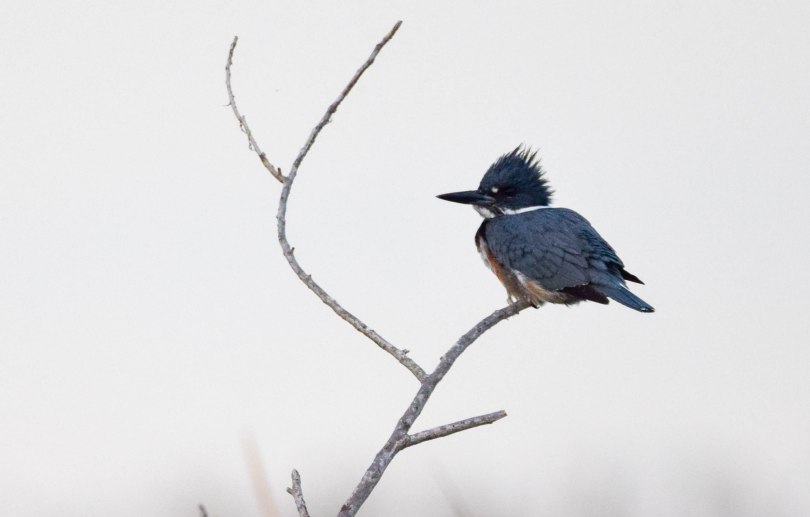
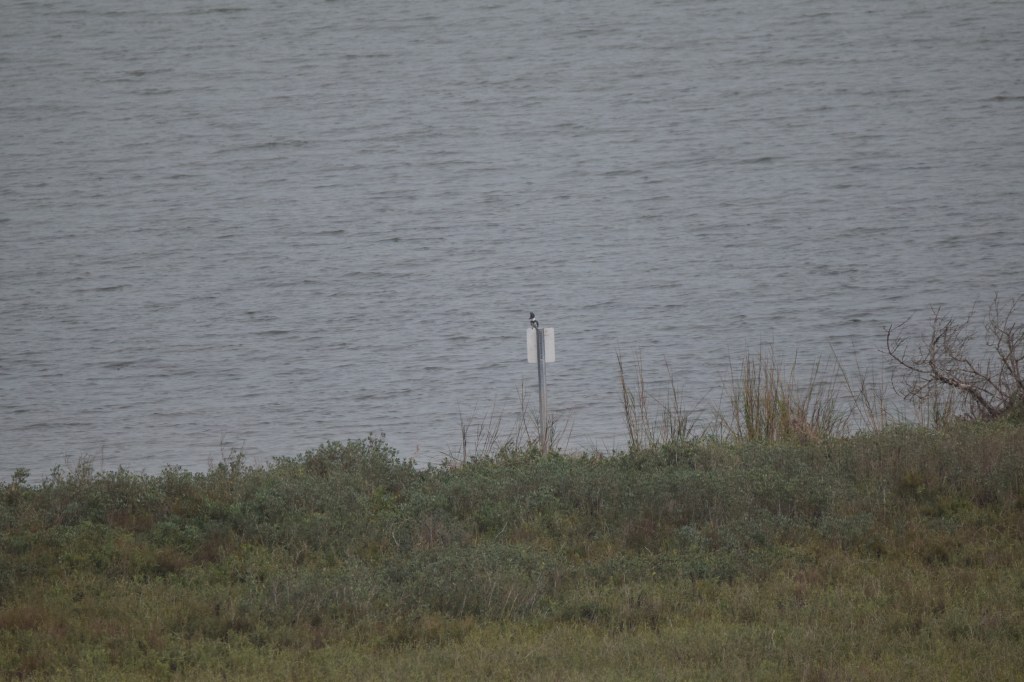
Some time back in November or December I was driving down Holly and caught sight of something I totally did not expect. It was in a pretty busy part of the road, but there was a ditch in between two businesses with water in it that was separated from the sidewalk by a rail. Perched on that rail was a Belted Kingfisher — a sight that stuck out much more blatantly because I hadn’t realized they made their way down to these parts.

I did have my camera in my trunk, though not my long telescopic lens, but decided to make a hasty U-turn either way and try and park to snap whatever photo I could get. However, once I parked, the kingfisher flew off.

I was struck at how pretty and large the bird was. I expected something the size of a little warbler judging by photos I’d seen of it with it’s little legs and stout body. But it approached more the size of maybe a jay or swallow. Certainly big enough for me to spot it from the road and instantly realize what it was I was looking at.

If you squint you might be able to see it laughing heartily at my failure.

After that first failure I encountered two other kingfishers on separate occasions. Once while I was driving on the causeway coming from Flour Bluff (even less of an opportunity to pull over) I spotted one sitting on a power line. The other time I was on a pre-birthday trip to the Aransas National Wildlife Refuge for the first time, where I spotted one while at the top of the 40-foot observation tower. It flew into the air, did a sort of flip, and landed on a ground-level sign at a distance that even my telescopic lens could hardly deliver a decent photo.

It wasn’t until the other day I finally had some luck out at the Hans and Pat Suter Wildlife Refuge. I think I had spotted an owl out there around New Year’s Day so I’d been making regular stops ever since to see if I could get lucky again. No owl, but one evening just as the sun was setting I finally spotted a kingfisher a reasonable distance away to snap a photo of. You can see it in the lead photograph of this entry.

If you want to follow along with my nature photography adventures, give my Instagram for all that a follow: @birdcomrade.

The playlist

So like I mentioned above, Mumbler Radio is sort of on the backburner. I had intended and started up a special episode of my favorite songs of 2021 but the motivation has left me.
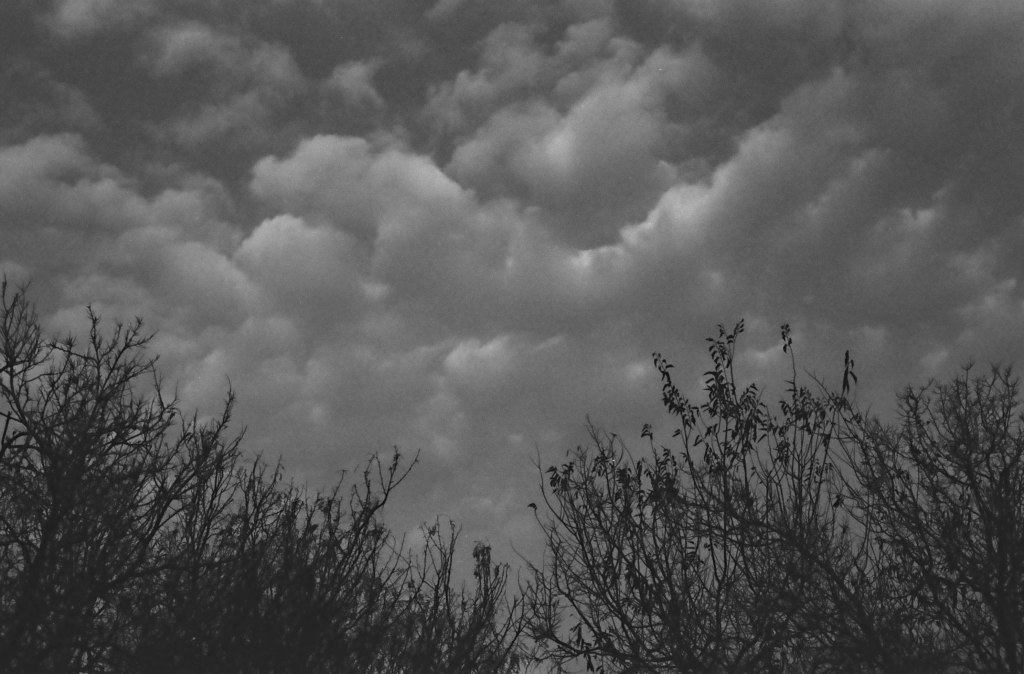
It’s honestly sort of a physical thing. My day job is a desk job that requires a lot of constant clicking and typing and, having done it for several years now, I think I’m starting to deal with some of the side effects of that. There are periods where the strain on my hands and arms makes it so that I don’t really want to do much more clicking if I don’t have to. So once those occasional flare-ups pass, and I have been dealing a bit with one lately, projects like the show often get put on the backburner.

But I will compensate for the lack of a show with another Spotify playlist much like last year’s. It’s a mixed bag, but certainly boasts way more songs than I was planning to feature on the episode.
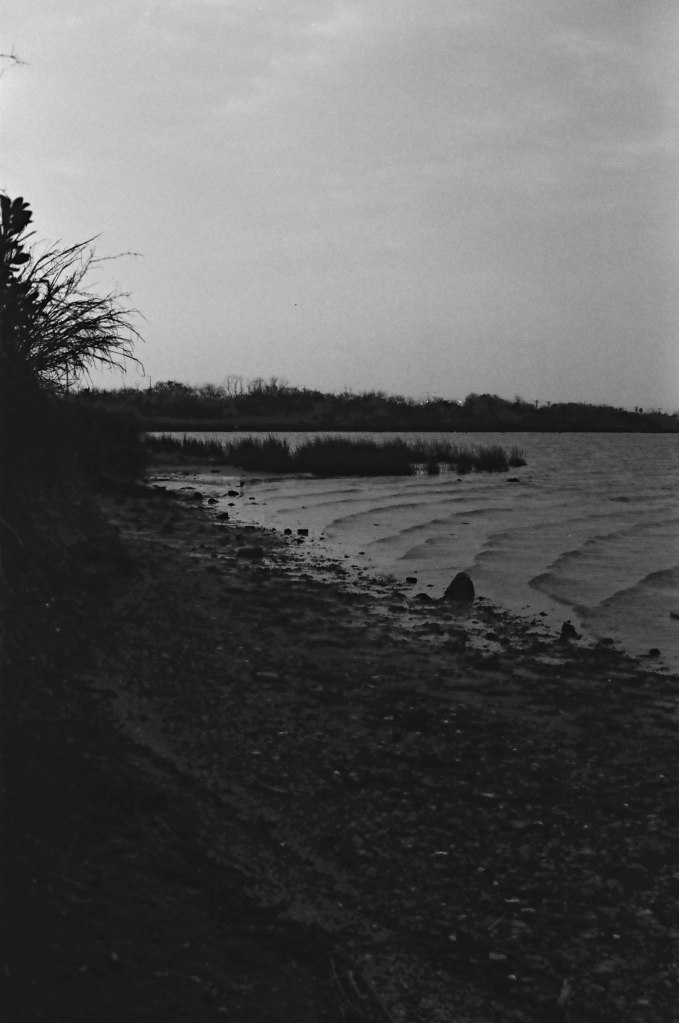
In terms of favorite releases, I’d say some of my top picks for 2021 included Fresia Magdalena from Sofia Kourtesis, Afrique Victim from Mdou Moctar, Nine from Sault, Far In from Helado Negro, Mandatory Enjoyment from Dummy, Between Days from Kiefer, LP! from JPEGMAFIA, The Rich Are Only Defeated When Running for Their Lives from Anthony Joseph and The Turning Wheel from Spellling. “Little Deer” by Spellling may just be my favorite track of the year, or at least the one I found myself singing along to most in the car. There were also many compilations and reissues that were standouts but I tend to leave those out when thinking about “new” releases.
Check out tracks from those releases, and many others, below:

As always, let me know what some of your favorite releases are. I’d love to check them out.

That’s it for this update. Thanks as always for reading. I hope you and yours are well and that this new year is kind to you.

Stay strong, stay safe. I’ll talk to you again soon.

– Raul