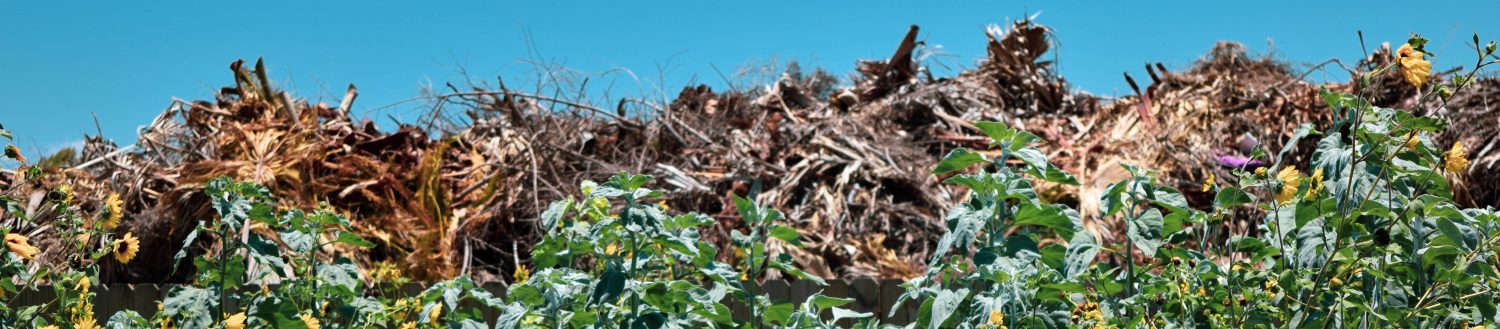
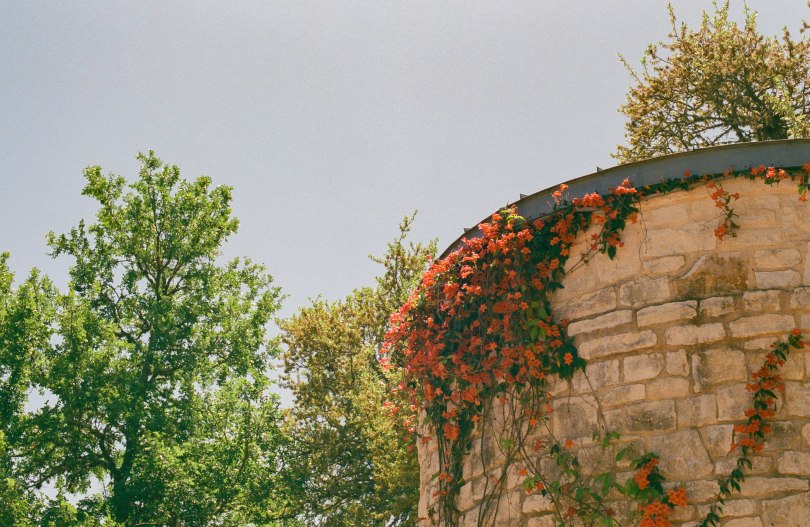
April 8-10, 2022. Endlessly sunny upon a drought-riddled countryside.
Driving through the parched hill country mere months after the illustrious colors of fall once painted the horizon so beautifully, I couldn’t help but reflect on how different everything looked and felt.
Instead of feeling cradled by the scenery like I did back in early December, I felt like I was fervently pushing my car on to the next town — the nervous thought in the back of my mind that a chance issue could leave us stranded in the heat.
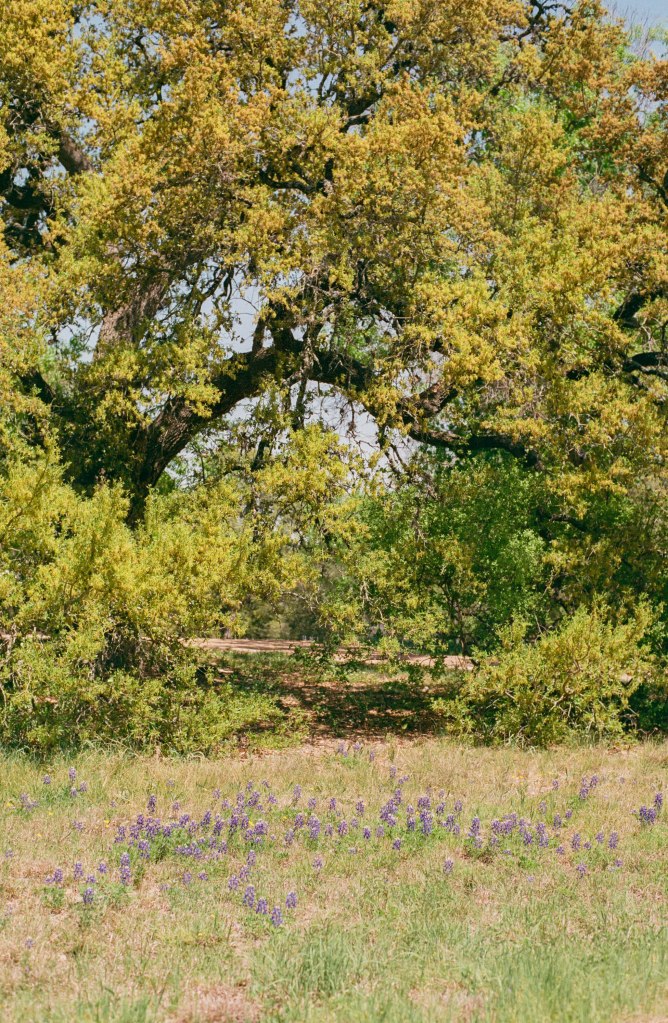
My mother and I were, after all, on a birthday trip in search of birds and wildflowers — celebrating her 58th rotation around the sun with a trek focused on a hobby we both love and share together. We did, of course, make several stops in places that brought us what we were looking for, but those long stretches through the backroads certainly occupied much of the trip.
Either way, I was excited to finally bring along the Canon A-1 on a road trip. I didn’t plan on shooting too much with it, however, as I was down to two rolls of Fuji Superia X-tra 400 and I’ve been hesitant on purchasing another stock as color negative film is so dang expensive now. Seems like I could get three rolls of the Fuji for about the same price of one roll of even Kodak Gold — not that either is in stock very much.
But I digress. I brought along those last two rolls and a roll of Fomapan 200. I ended up not needing much of that as I simply finished the one Fuji roll I already had in my camera by the time we were already headed back home.
Camera fixes
The thing I learned very quickly that comes with the territory of film photography is the reality that we are trying to make visual art using equipment that is decades old. I couldn’t exactly say when my particular Canon A-1 rolled off the assembly line, but I do know they were manufactured between 1978 and 1985. That means, even if it was one of the last, it’s still pushing 40 years.
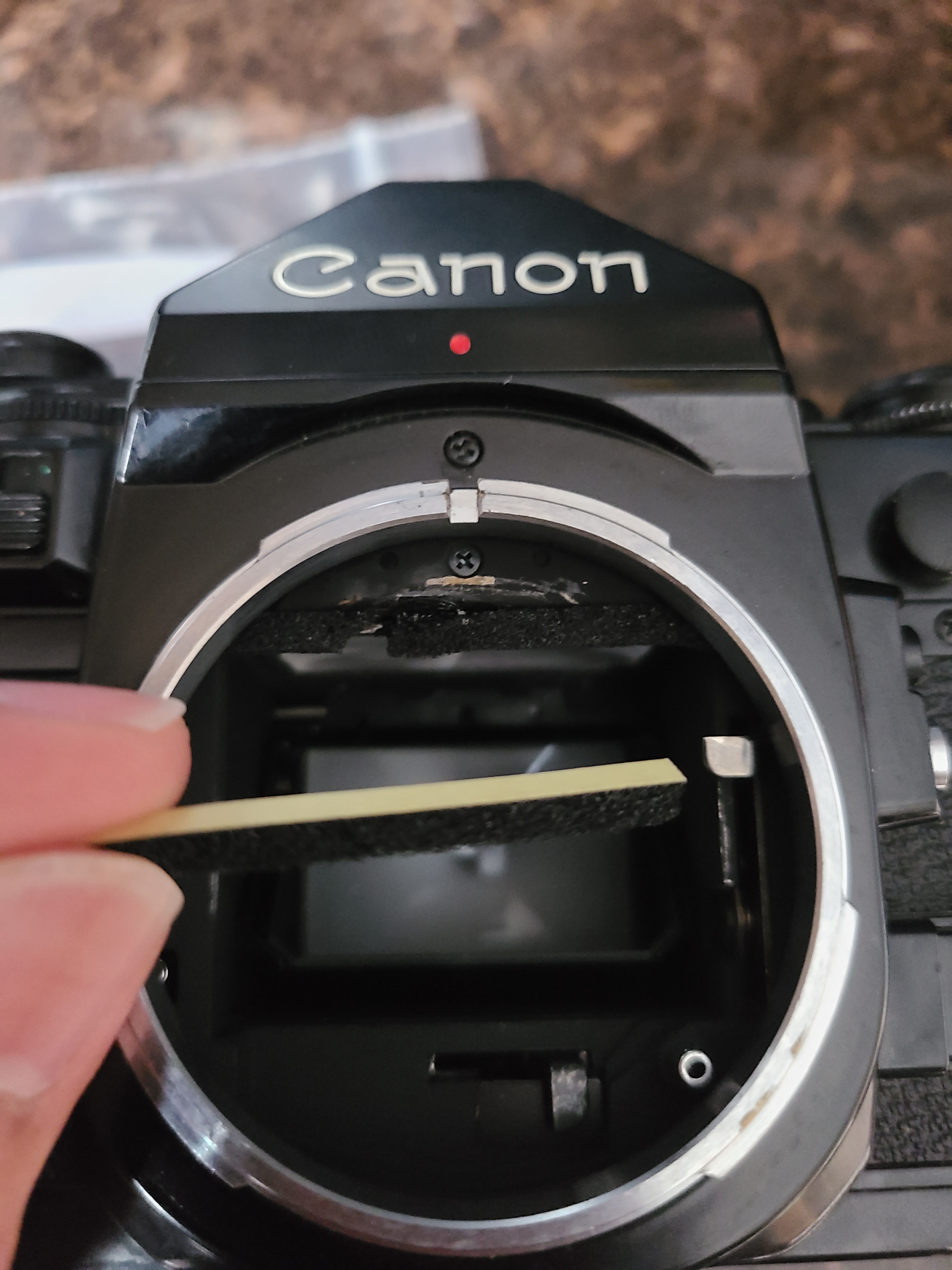
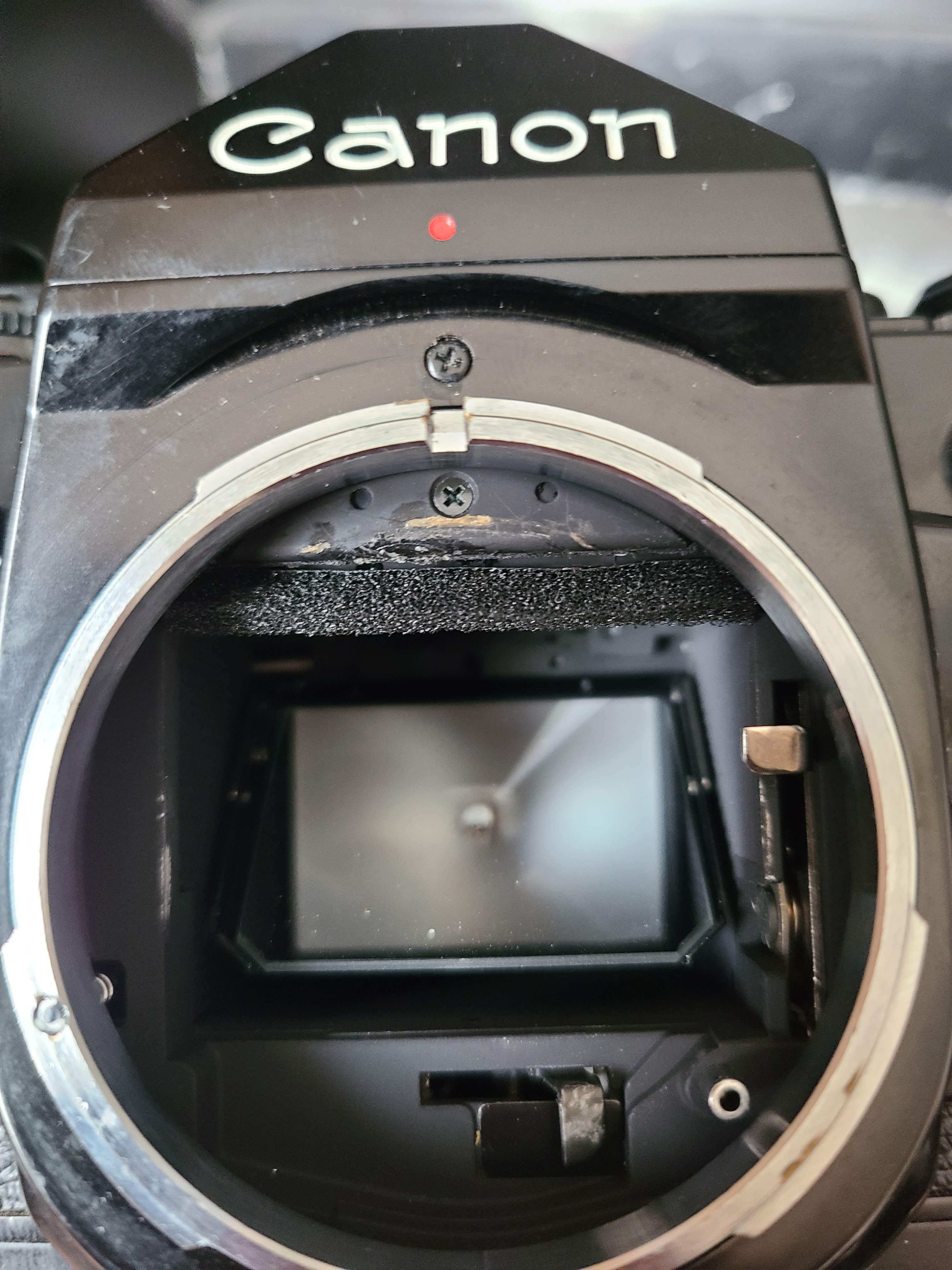
The eBay seller I purchased from made no promises other than the camera was clean and that it worked. To his credit, the pictures on the listing translated well to the actual piece I held in my hand. I knew that some of the foam in the mirror area was crumbling loose and eventually I’d have to replace that.
I also knew of the infamous “Canon squeak”: that none-too-pleasant squeal that occurs frequently in older Canon cameras when the shutter is released. While I hoped that mine would be spared it as I waited for its delivery, it was no real shock to me when the day I finally pressed that shutter button my ears were greeted by the most pathetic, airy squeak I could have imagined. It’s funny how, even as an inanimate object, my camera shows its age in an almost human manner with a sickly, old cough.
But as I said, it’s a common issue with these cameras. What had been confusing is the seemingly divided opinion on the seriousness of the issue. I’ve heard both that it doesn’t really impact anything and that it is also indicative of a larger problem that should eventually be addressed. I’ve likewise seen videos of simple fixes and then videos pointing out how those simple fixes can damage your camera even further.
Either way, I always intended to eventually have it addressed along with a full CLA on my camera — but I’ve long hoped that this would be something I’d need to do much later.
So when my camera shutter seemingly gave out all together after finishing up a roll of Ilford HP5, I was distraught. It was at my nephew’s first Little League game, and it’s now a funny anecdote to me that while I struggled to figure out the issue, my sister leaned in with a chuckle saying “this is why people don’t use film anymore.”
*Nervous, knowing laughter*
But this is where I will take a moment to heap some praise on the very real notion of the film community and my friend Luis (@luisesoteric) who really embodies the notion.
I really do get the sense that film photographers — from folks here in Corpus, to those I read on Reddit or even YouTubers — are so interested in keeping the medium alive that they are more than happy to lend their expertise to newcomers like me.
Luis also shoots with a Canon A-1 often so I hit him up from time to time for tips and advice. Naturally I did so when it seemed like my shutter was kaput, and he offered to take a look at it.
He sat and tinkered with it for a bit — opening it up from the bottom and observing all its inner workings. After trying several possible fixes that didn’t seem to solve the issue, he shot a few puffs from his air blaster into that bottom compartment and, after a few tries with some dummy film he had, the camera fired just as it had before.
But not only that, he also lent me a rad 28mm lens to try out (complete with a filter), gifted me the dummy roll, and imparted some sage advice when shooting with the Fuji roll I took with me on the trip: try shooting it at 200, rather than the box speed to get some nicer pastel tones. Absolute guru.
That advice proved sound as revealed in the scans I got back from the trip recently. You’ll see some throughout this post but check out the full gallery at the end of this post.
Upon returning from the trip, I also attempted replacing the crumbling light seal in my camera. It felt like surgery trying to get it right without dropping a single blemish onto the sensitive mirror. I think I did alright, though I’m wondering if I might have applied it on a spot more in front of where it once was. But I suppose I will see if that impacted anything when I get my current roll all shot and developed.
Tranquil spaces, unlocking memories
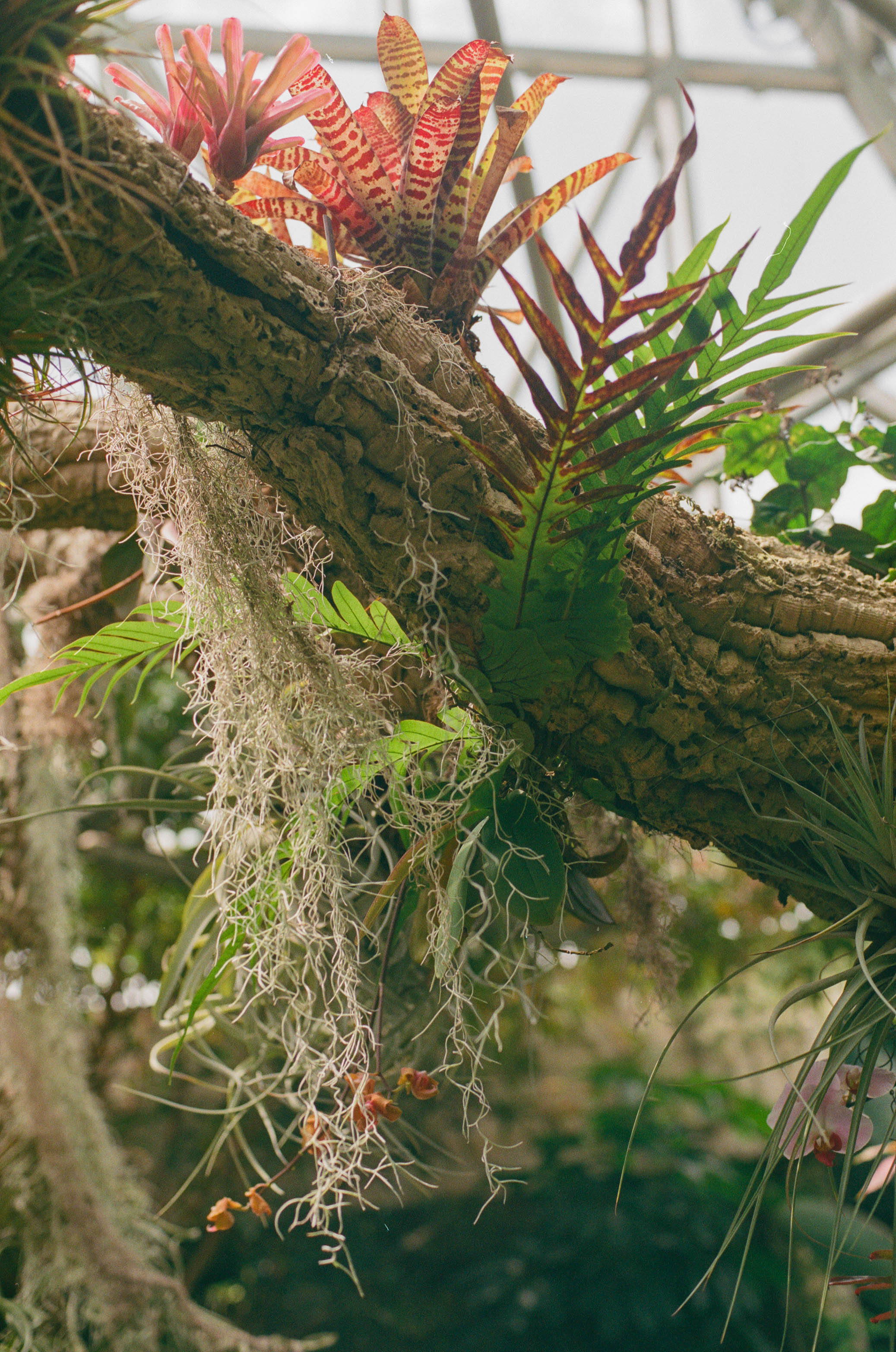
But back to the trip. Our journey took us up to the Ladybird Johnson Wildflower Center in Austin, followed by Wildseed Farms in Fredericksburg and Garner State Park the following day. Finally, on our return trip to Corpus, we stopped at the San Antonio Botanical Gardens.
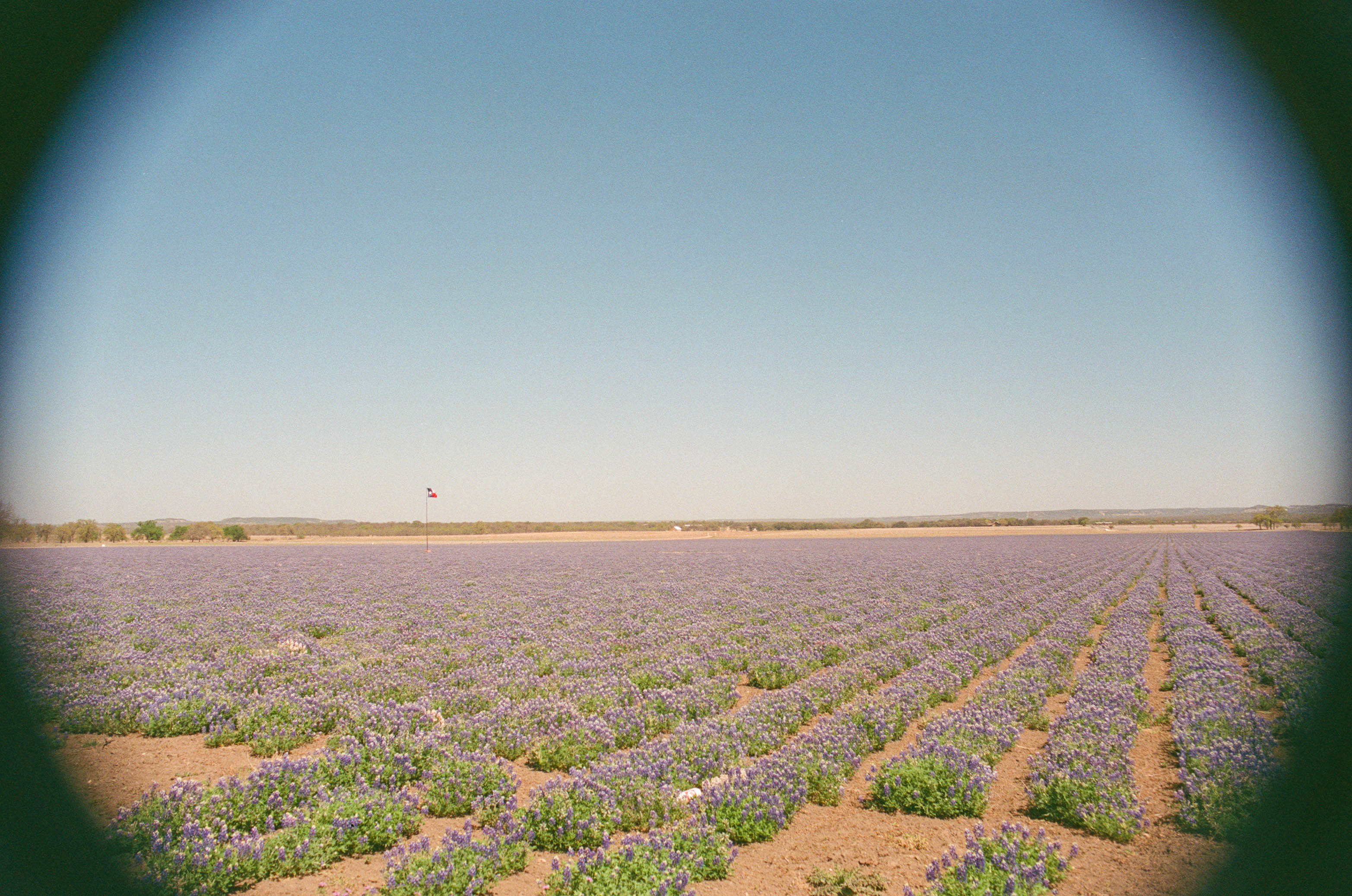
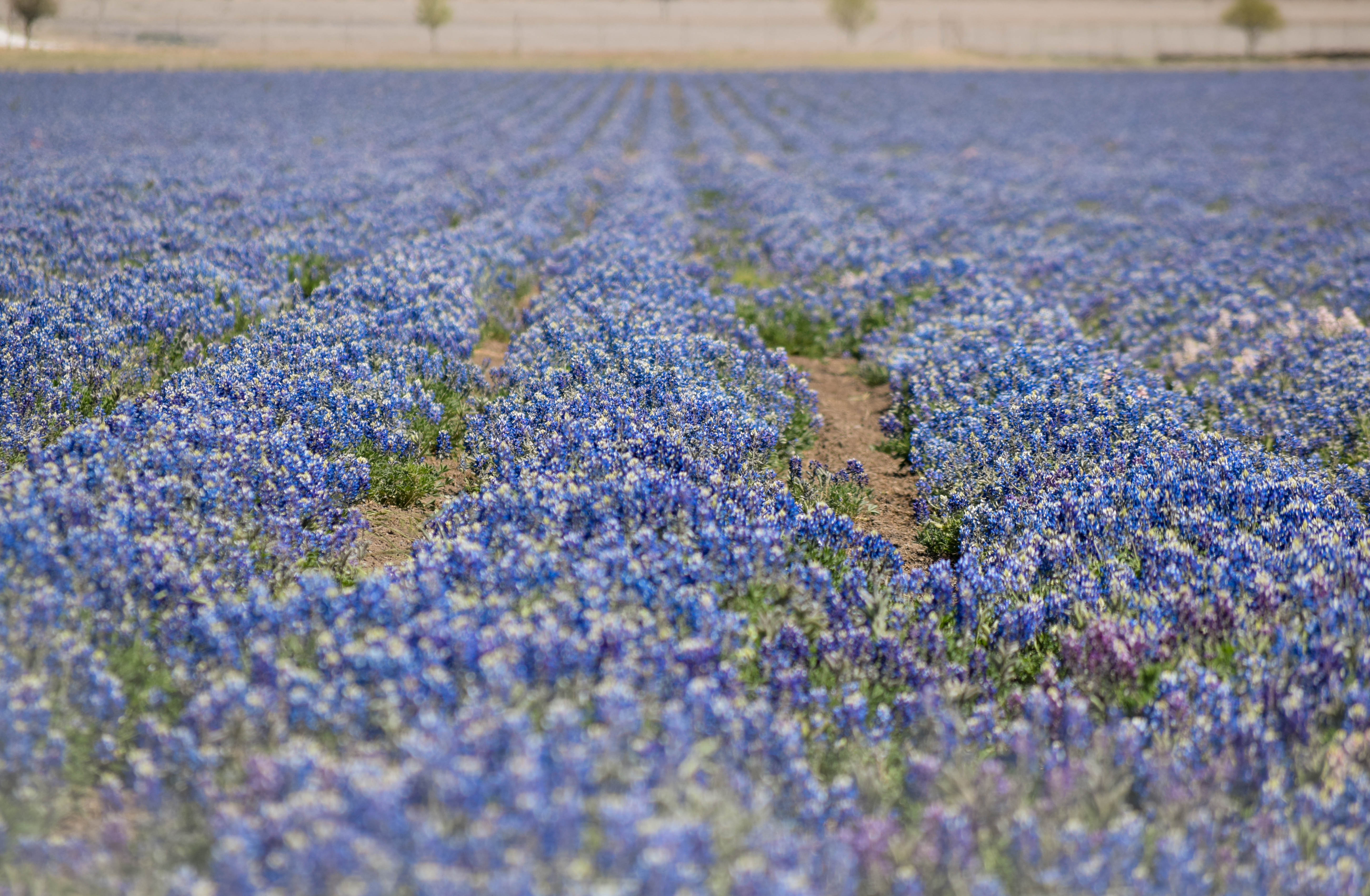
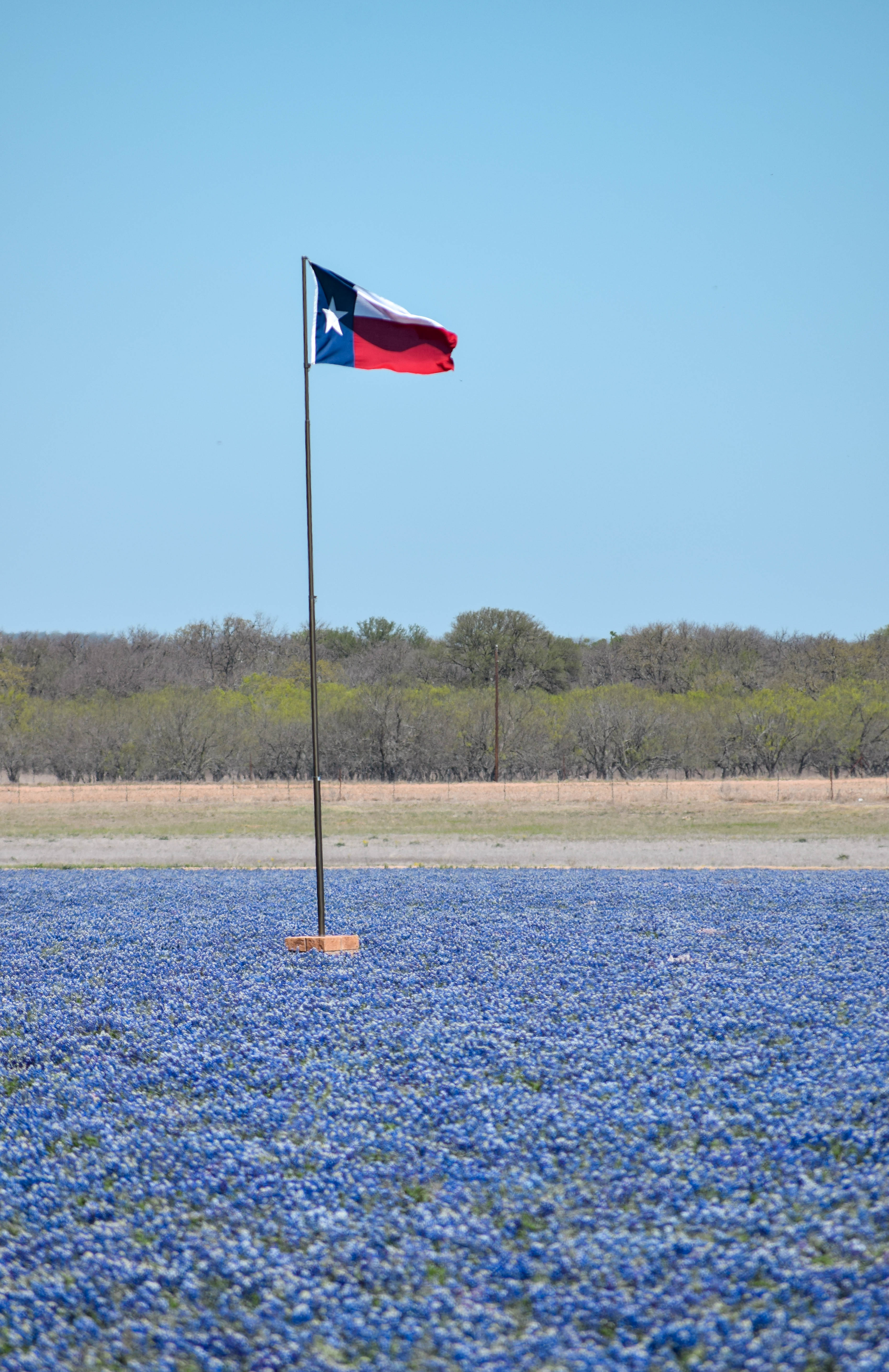
While Wildseed Farms brought us to the biggest bluebonnet field I’d ever seen and Garner — though very dry and packed with visitors looking for a dip into the Frio — still brought us some cool bird sightings, I’d definitely say the biggest highlights were the Wildflower Center and the Botanical Gardens.
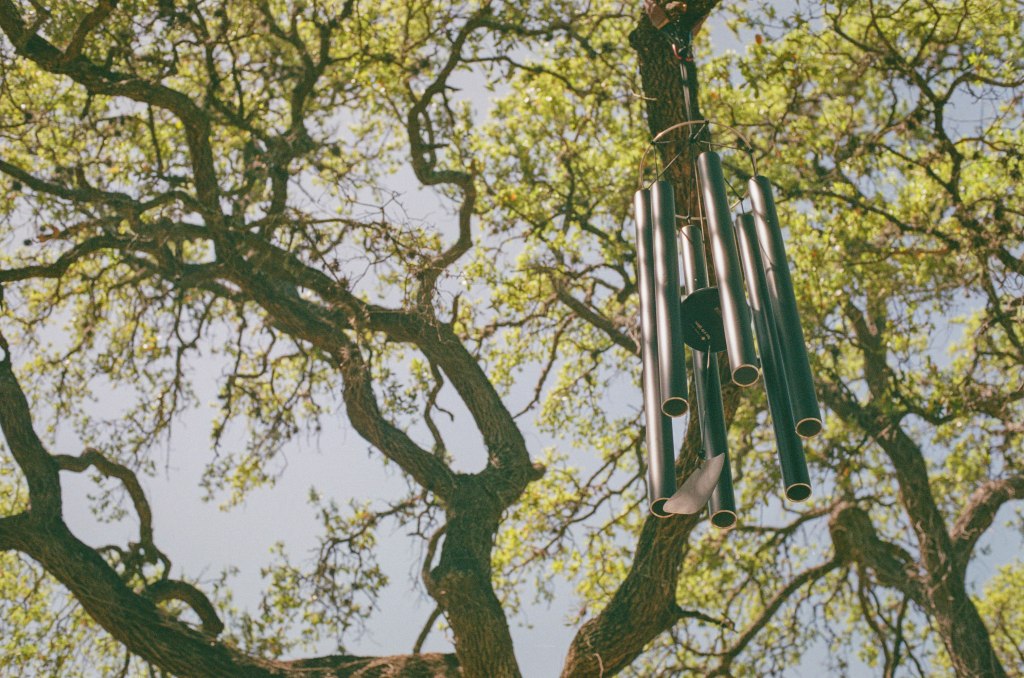
I admire so much places that manage to conserve a natural space, gently crafting ways to bring folks close to it so as not to disturb it, while granting the feeling of tranquility that comes when surrounded by nature. I felt this so deeply walking into the arboretum of the Wildflower Center. At one point we stopped to rest in one of the wooden swings that adorned the massive oaks and just listened as the wind passed through the branches, jostling the large wind chimes dangling overhead and settling onto the fields nearby.
That there is a library within the center is also fantastic — including a small house with multicolored windows containing children’s books for little ones who want to rest and read amid the sounds of numerous birds singing nearby. Such treasured moments that should be readily available to all.
Speaking of such moments, the San Antonio Botanical Garden brought to me a realization that had long puzzled me.
Throughout my life and as I’ve gotten older over the years, I’ve carried with me certain images in my mind. Some are more easily-connected to a particular memory: like the archways of theme parks or the road to my grandma’s house in Banquete that always reminded me of farms in picture books. But some I didn’t always connect easily to a memory — instead being something I assume I dreamed up or that I maybe saw in a movie and just kind of reconstructed as a fantasy place that my imagination sought refuge in at times.
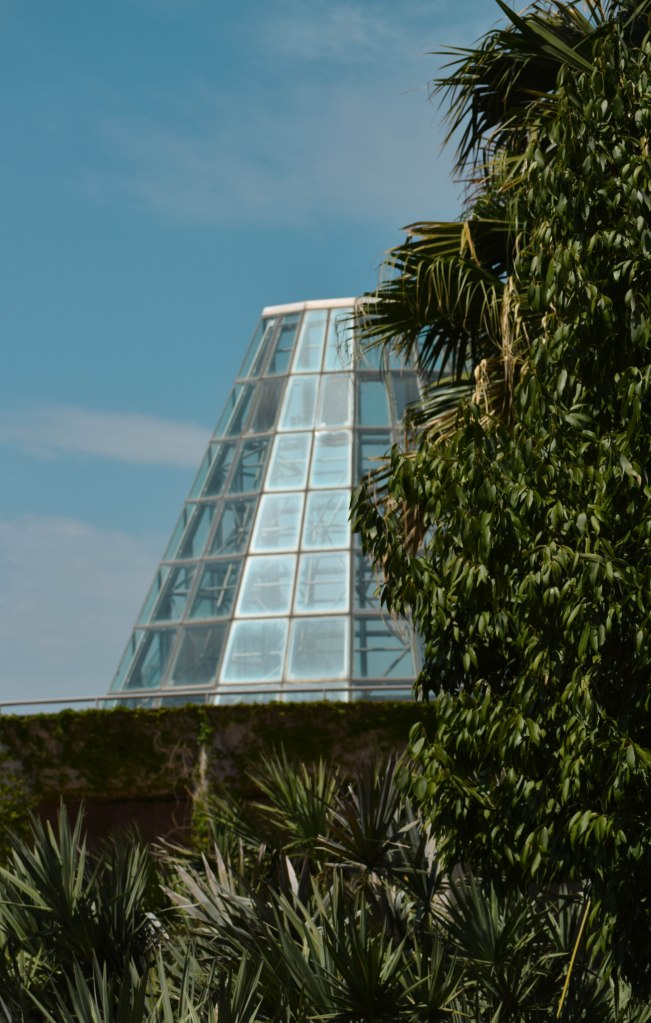
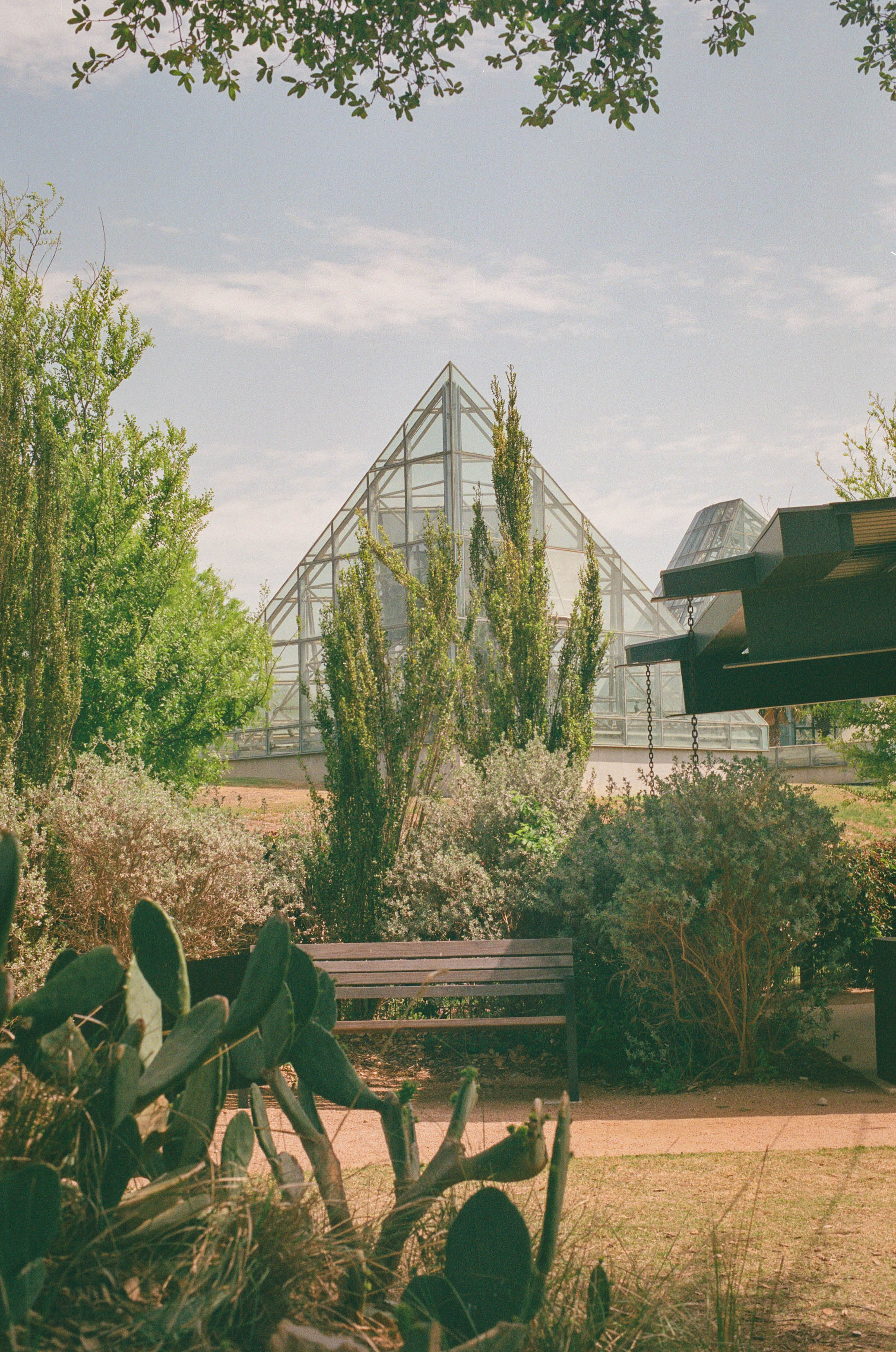
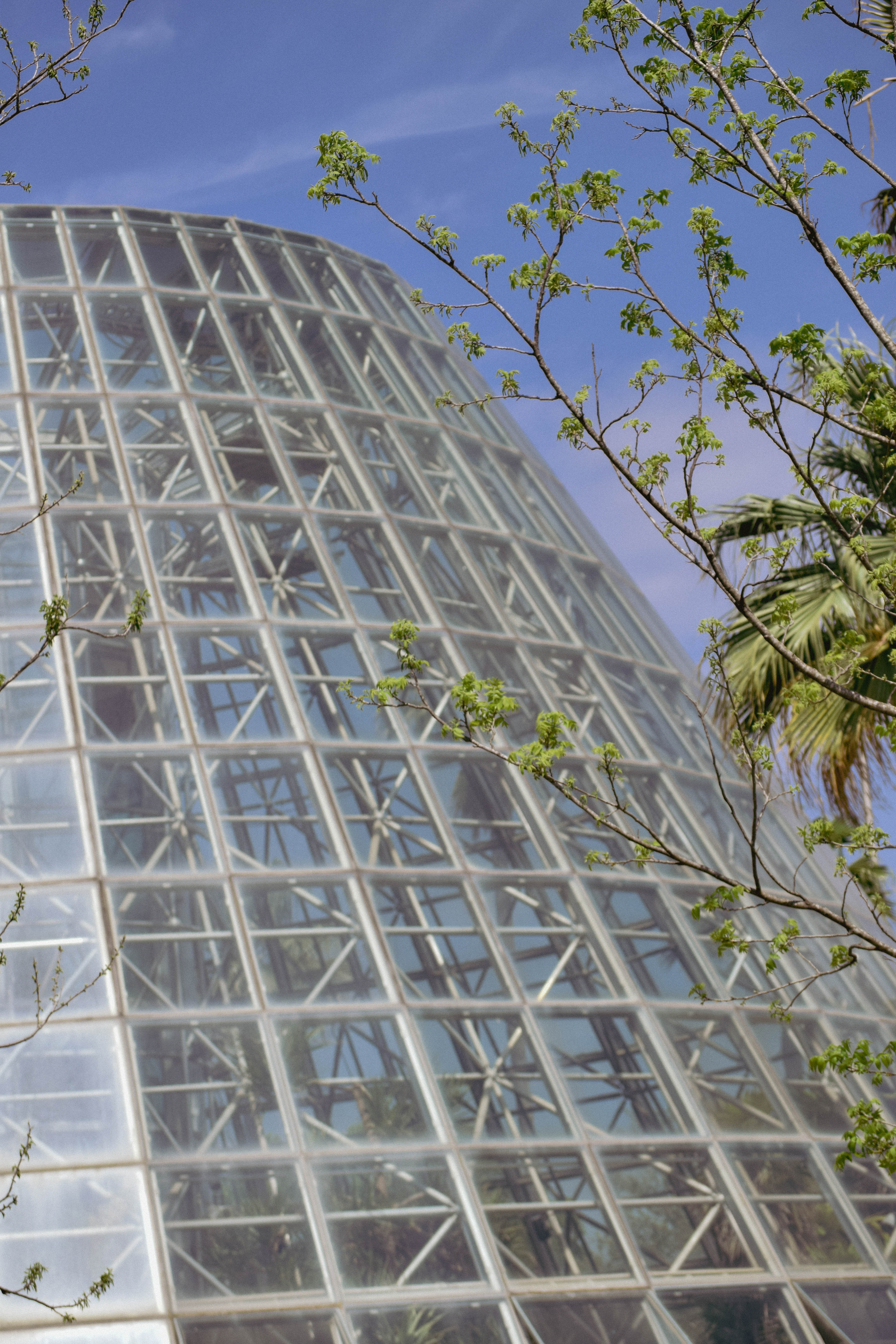
Well, walking along the botanical gardens and seeing the huge, pyramid-like greenhouses, I was overcome with a sense of déjà vu. The buildings looked almost exactly like an image I carried with me and dreamt about for years but never assumed was concocted from a place I’d actually ever visited. So when my mom revealed to me that we had visited when my sister and I were kids, it felt like a memory made real that I once assumed to be a dream.
In it’s totality, the San Antonio Botanical Gardens are a wonderful stop. There is so much to see, to admire. To detail every beautiful scene would make this already-long post into a novella. But know that, if you wish to wander a space for a few hours that gathers and celebrates the endless beauty found in the natural world, you could do worse than spend an afternoon here.
In fact, it was a perfect way to end our trip. Even if long stretches of the road end up being less than scenic, the allure of the journey is ever-present. While memories like that which I had to rediscover may not always remain clear, it’s doubtless to me that our sense of tying them to a place and to people contribute to our sense of outward and inward perception as a whole.
To capture a moment in a lasting image, at that, is simply one way to add to that wider tapestry which makes up our memory. As if upon a road with seemingly no end, they’re the signposts guiding us back to a treasured moment.
While my previous two entries were mainly film-centric, I will say I shot so much with my DSLR, as well, and that this probably is why I was able to contain my film shooting to one roll. It actually proved to be a good backup as a couple of shots I hoped to get on film did not turn out well for whatever reason (the main probably being that I suck) but I seemed to have captured what I was going for on digital. For that reason, I’ve included photos from both cameras in this post and have labelled them as such.
All film photos developed and scanned by Gelatin Labs. As usual, any thoughts or feedback are welcomed and enjoy a little playlist to go with this post.
Until next time.
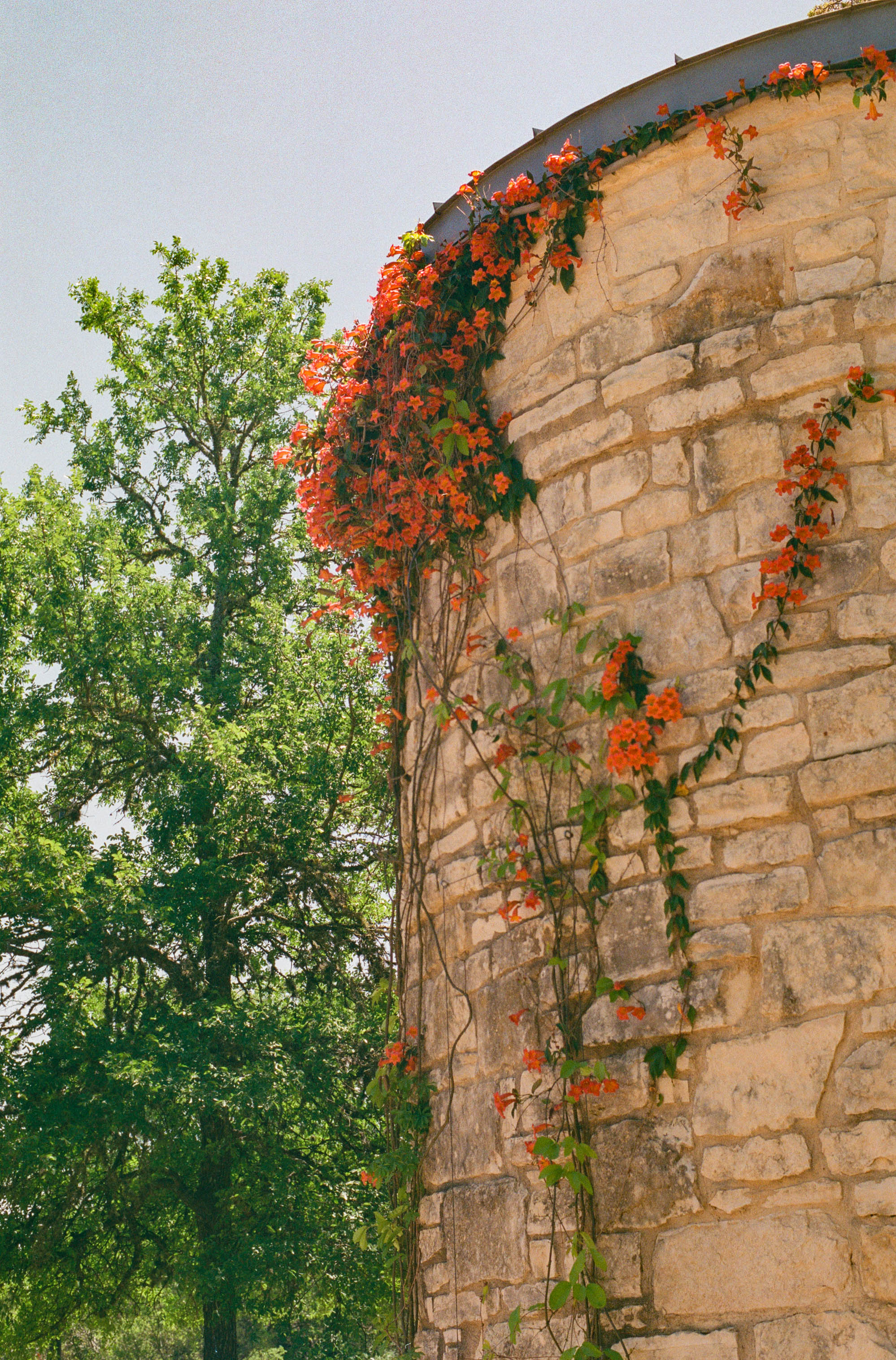
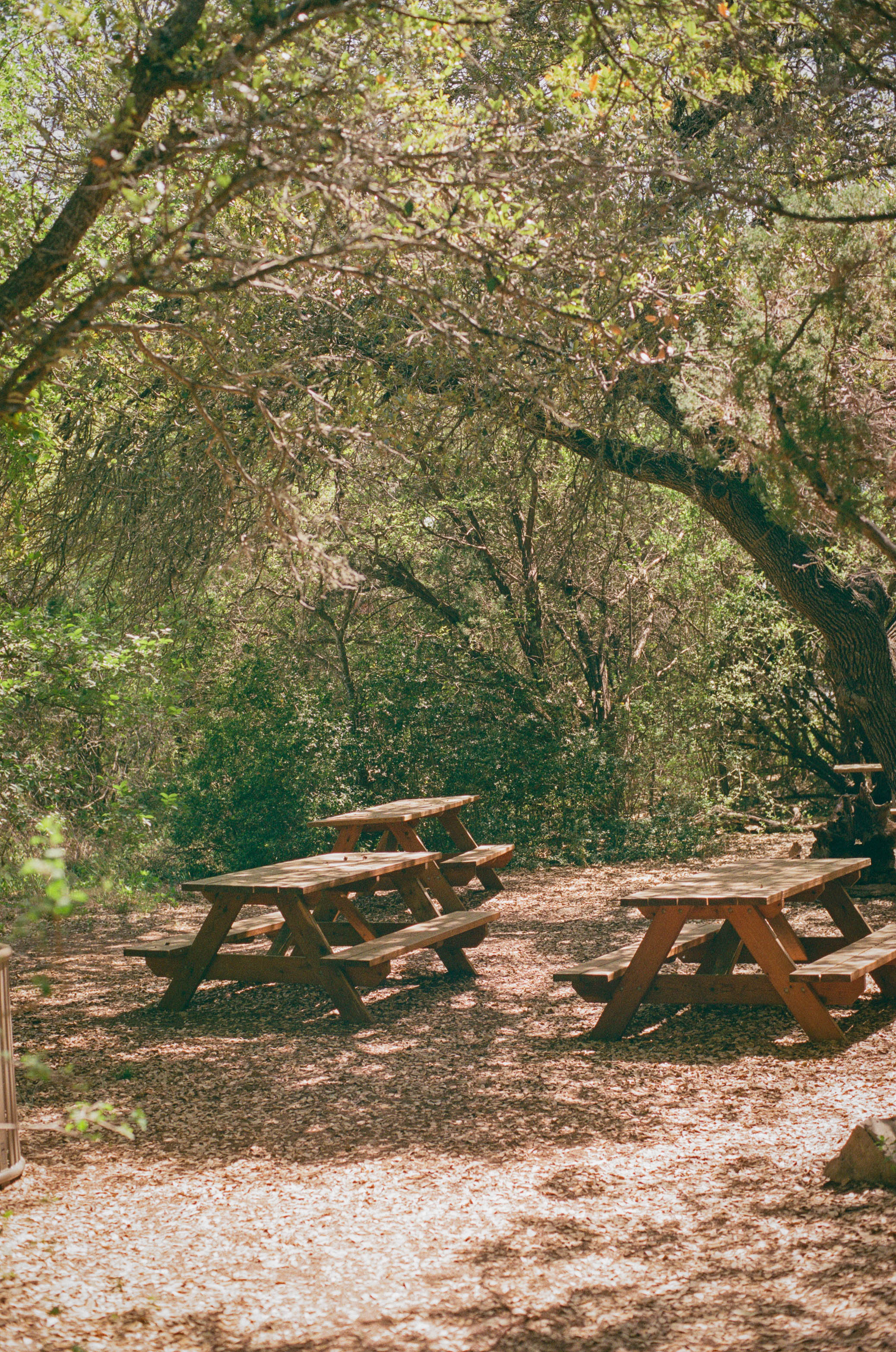
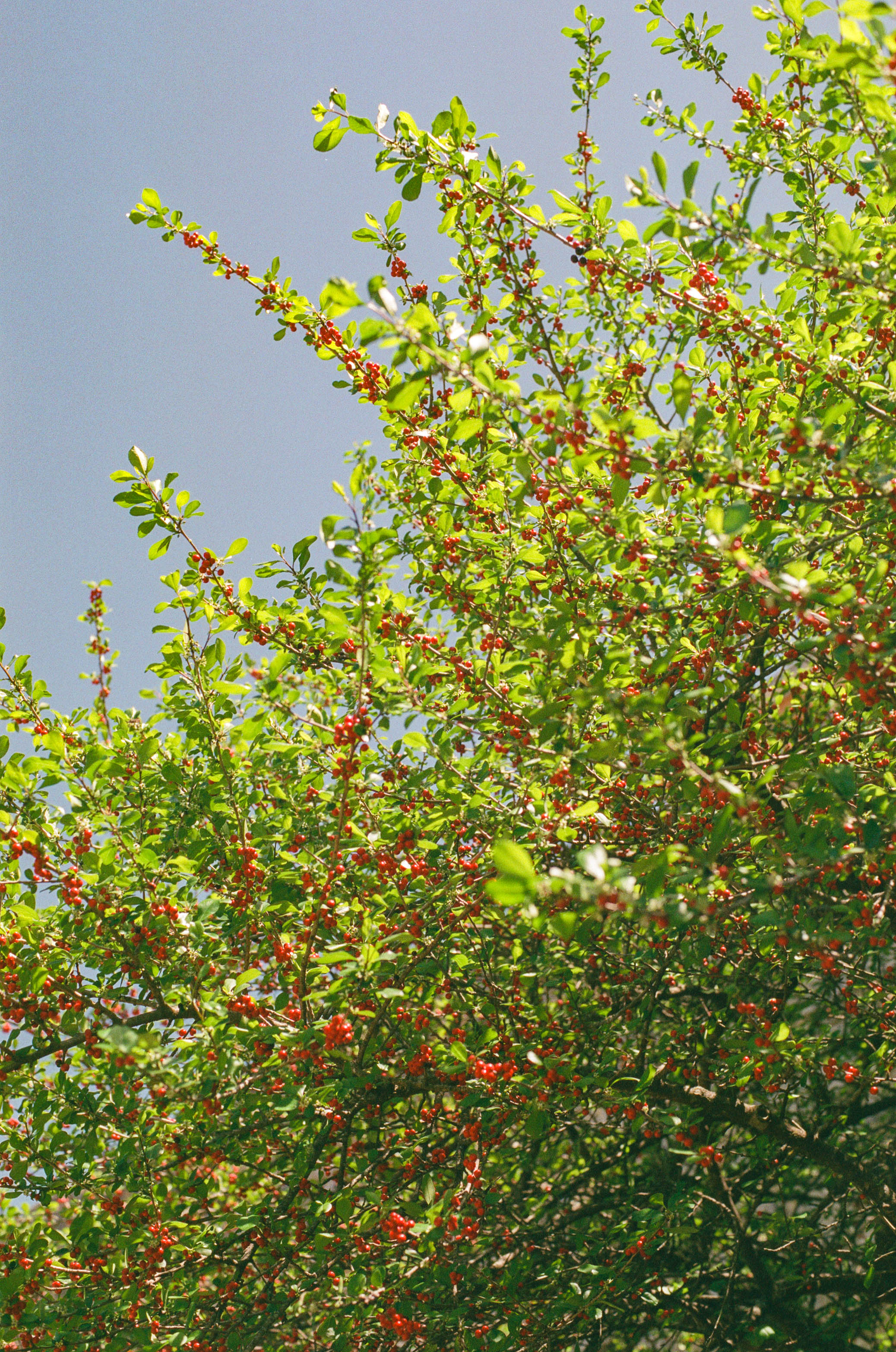
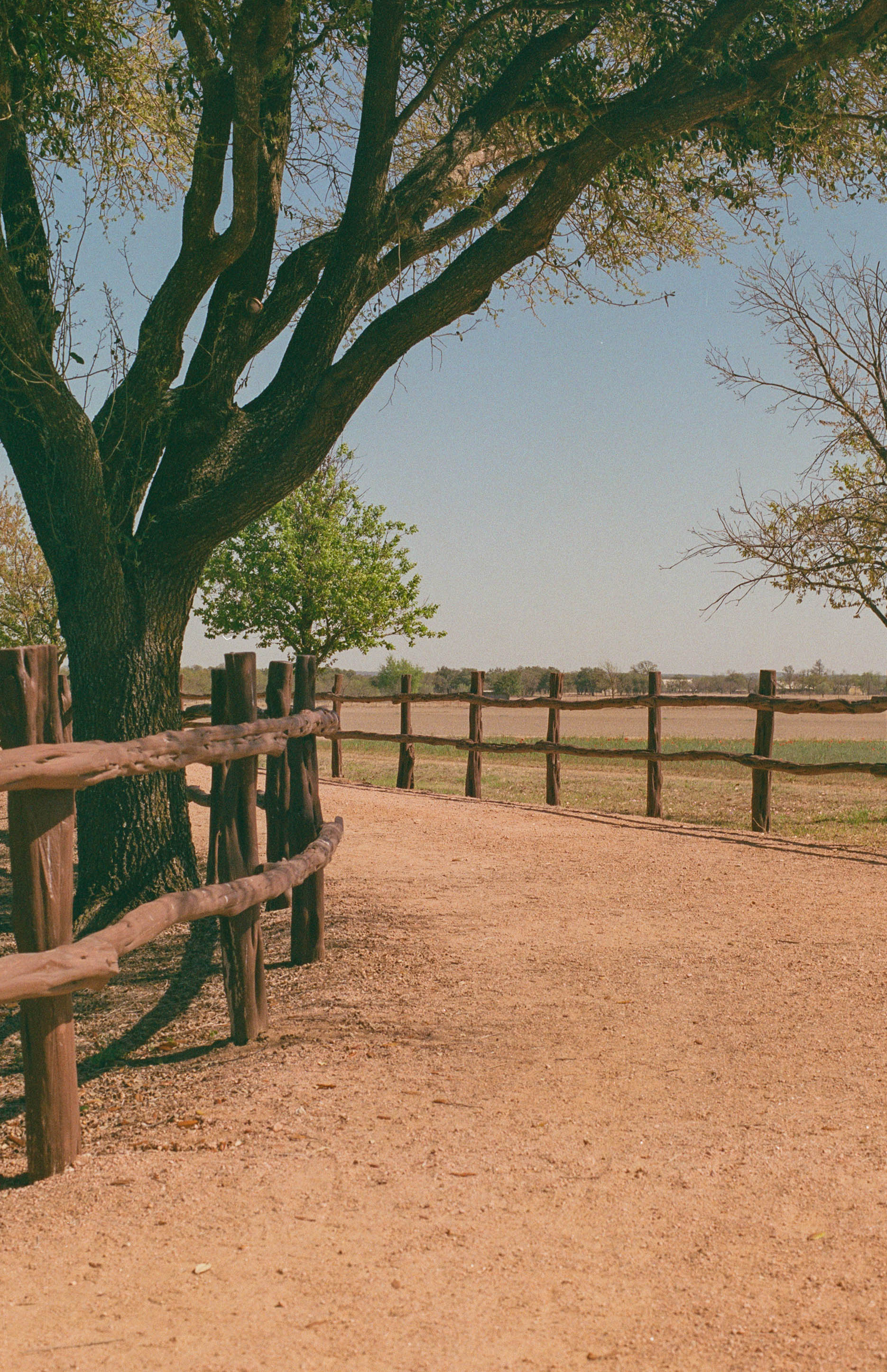
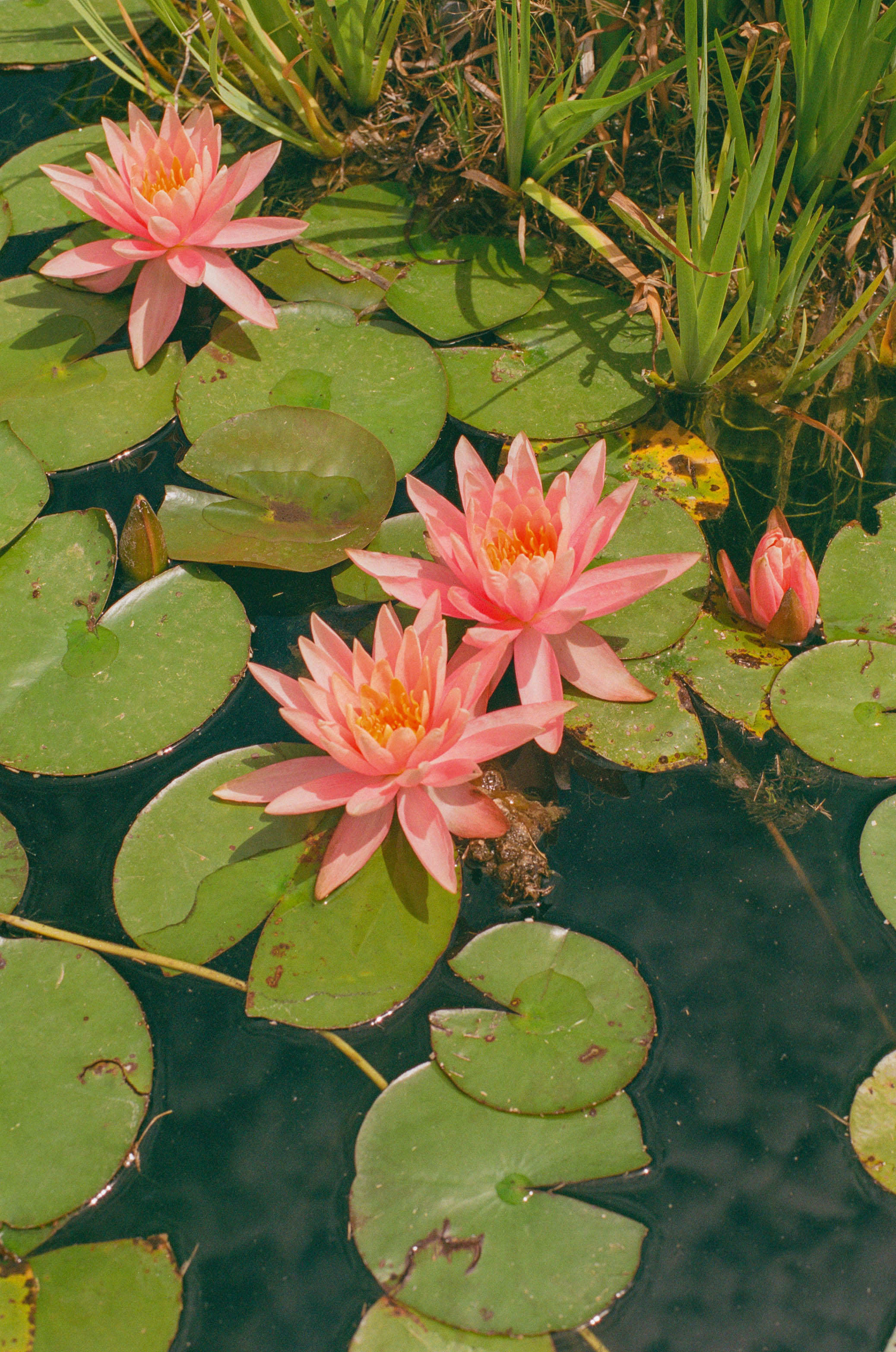
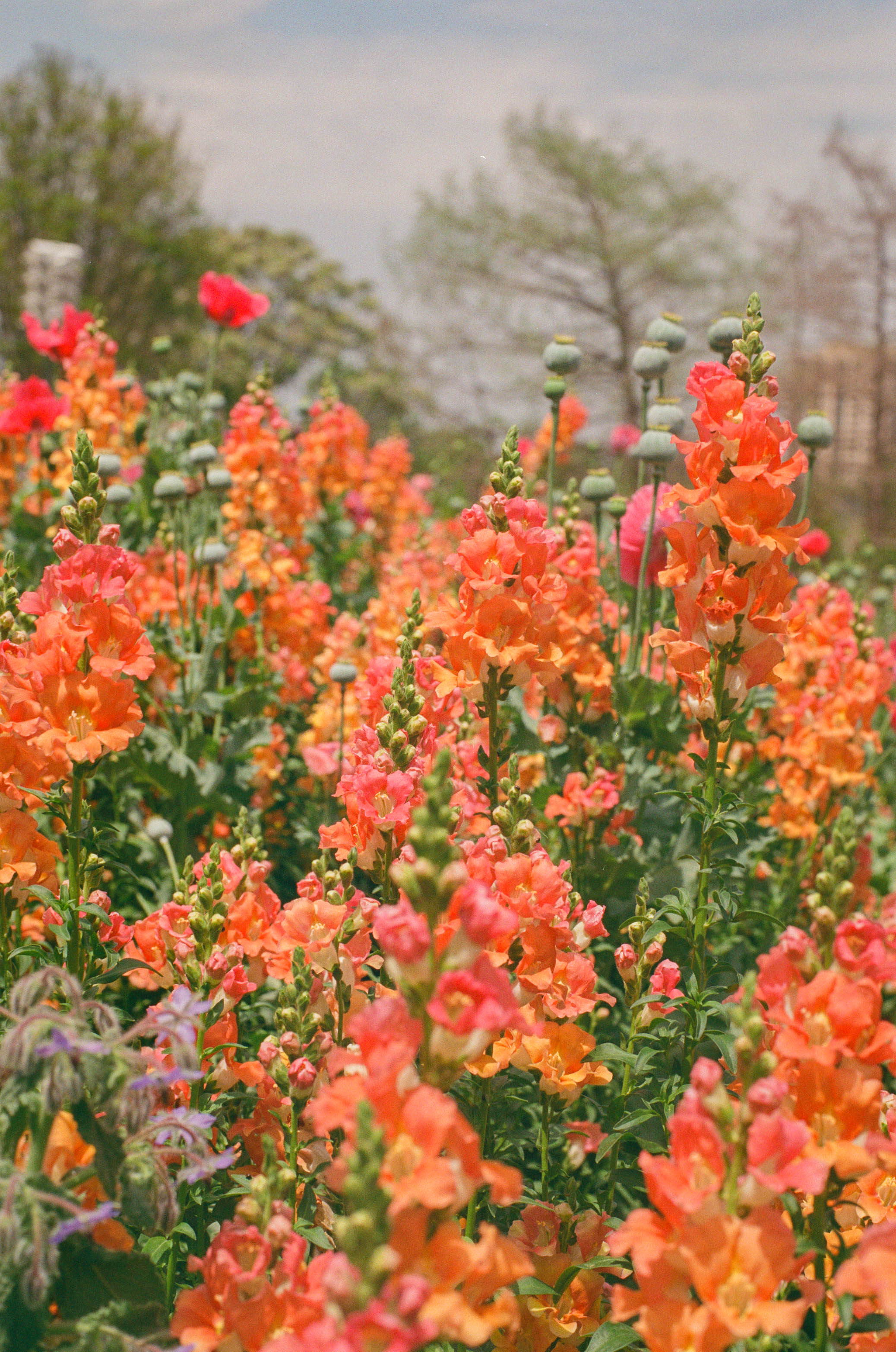
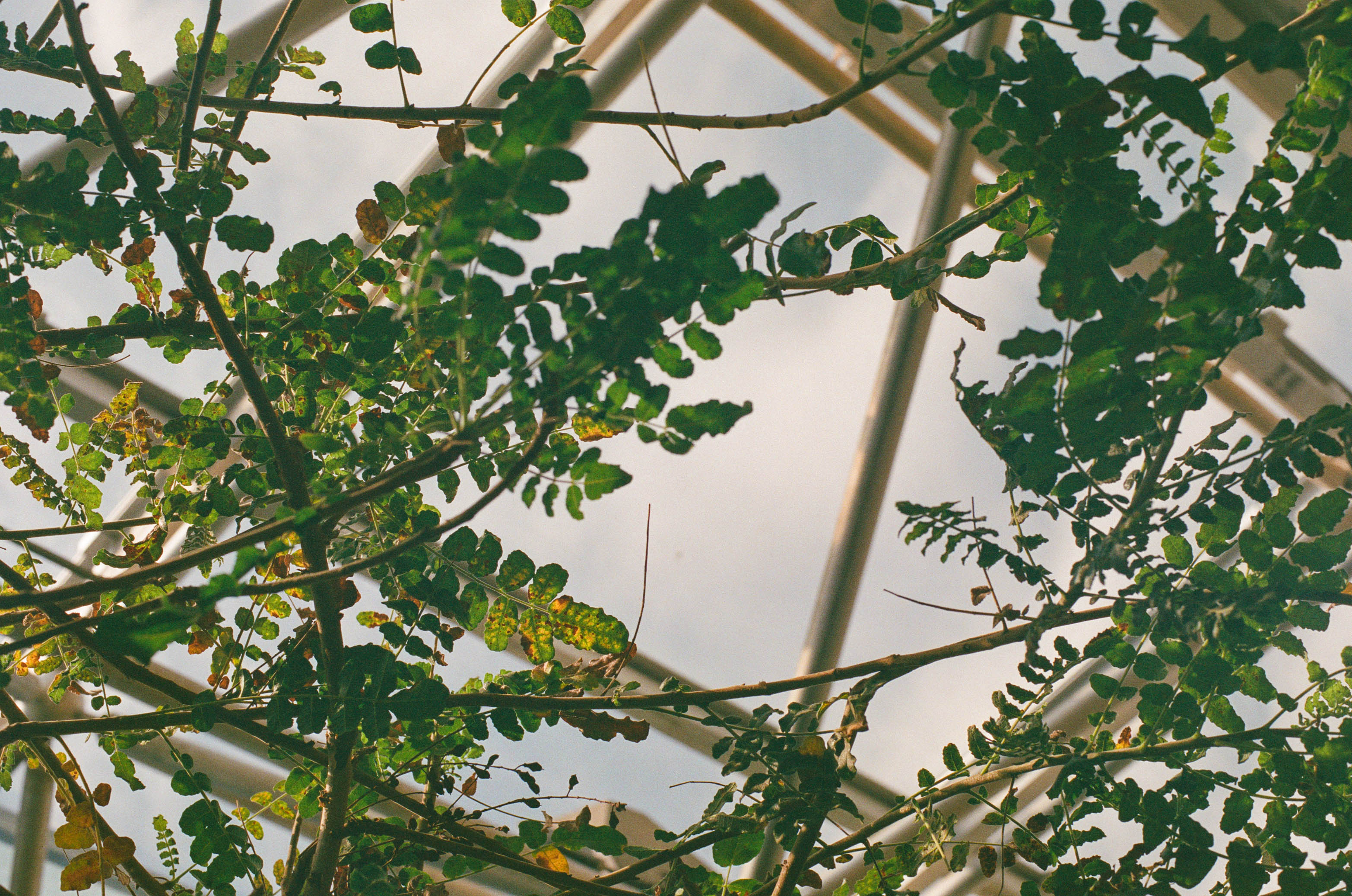
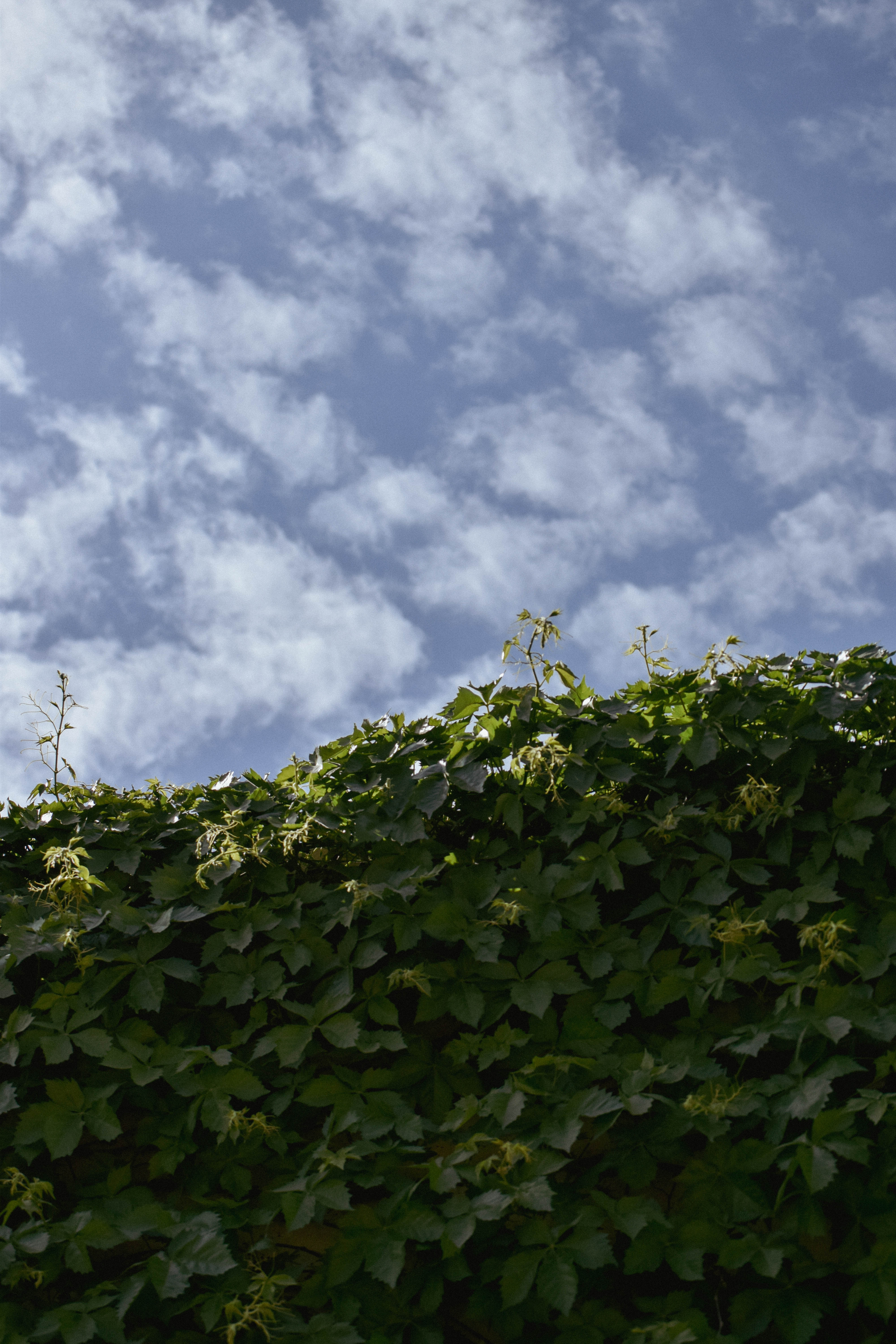
Film gallery first. All shot with Canon A-1 on Fuji Superia X-tra 400 at 200 ISO.
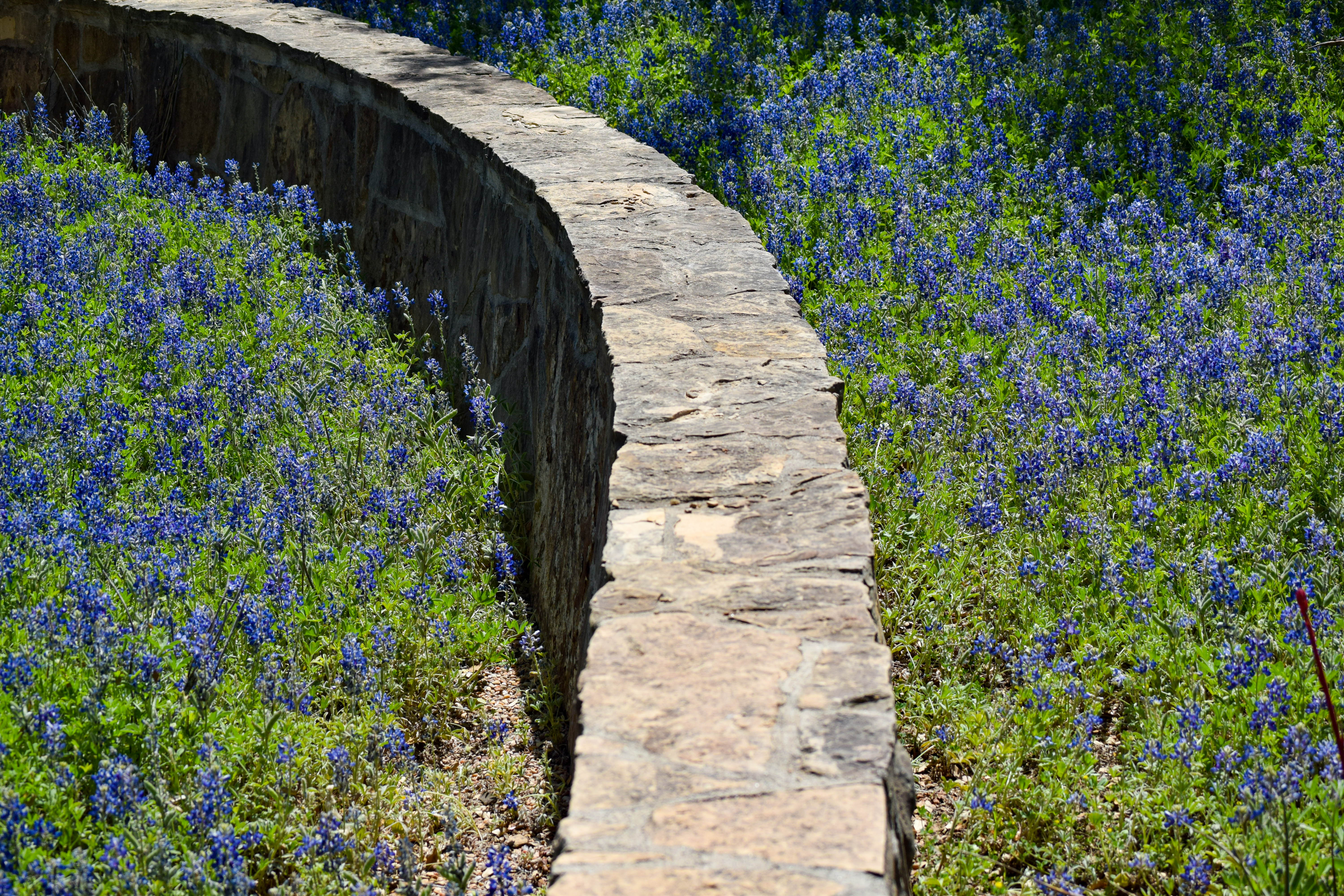
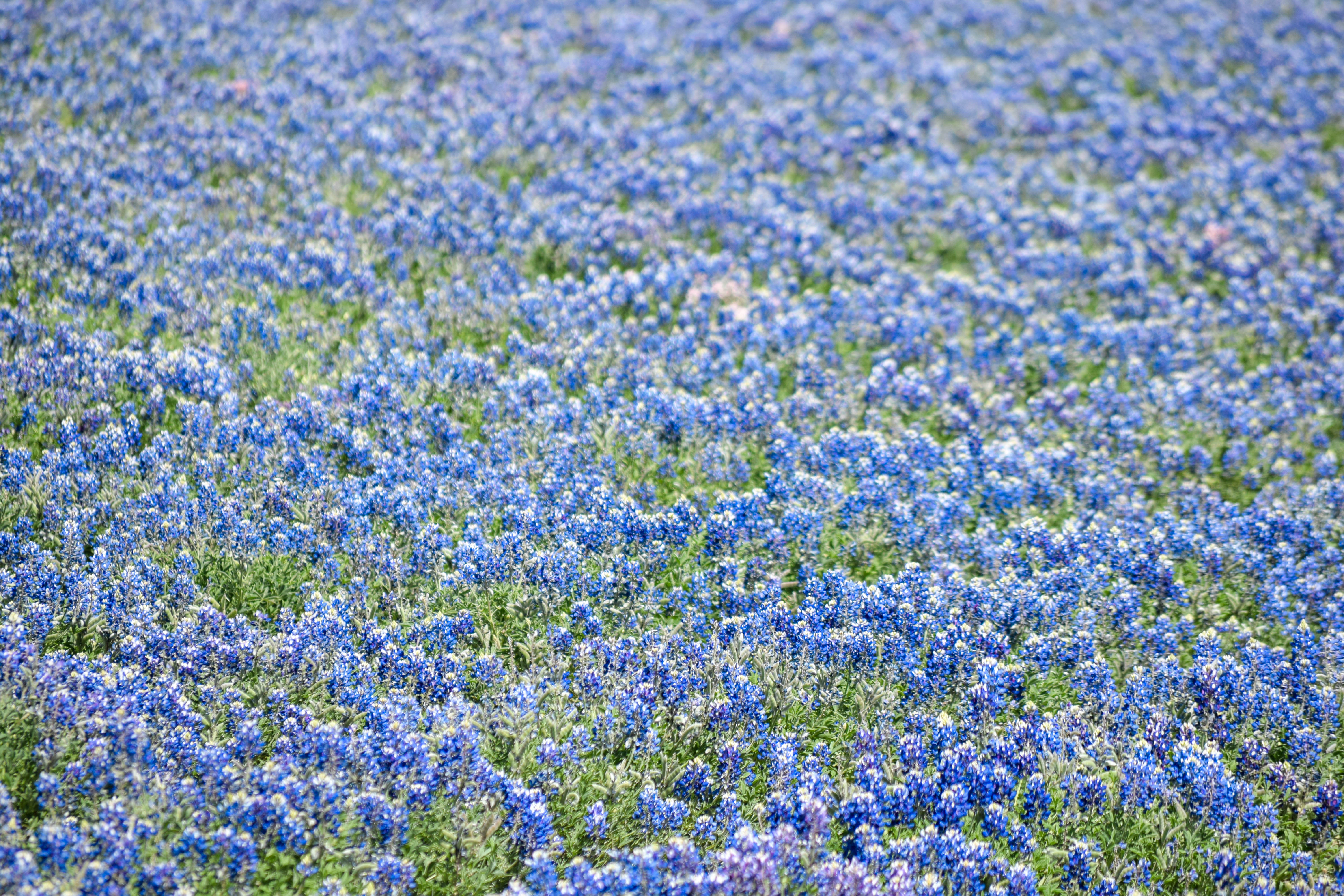
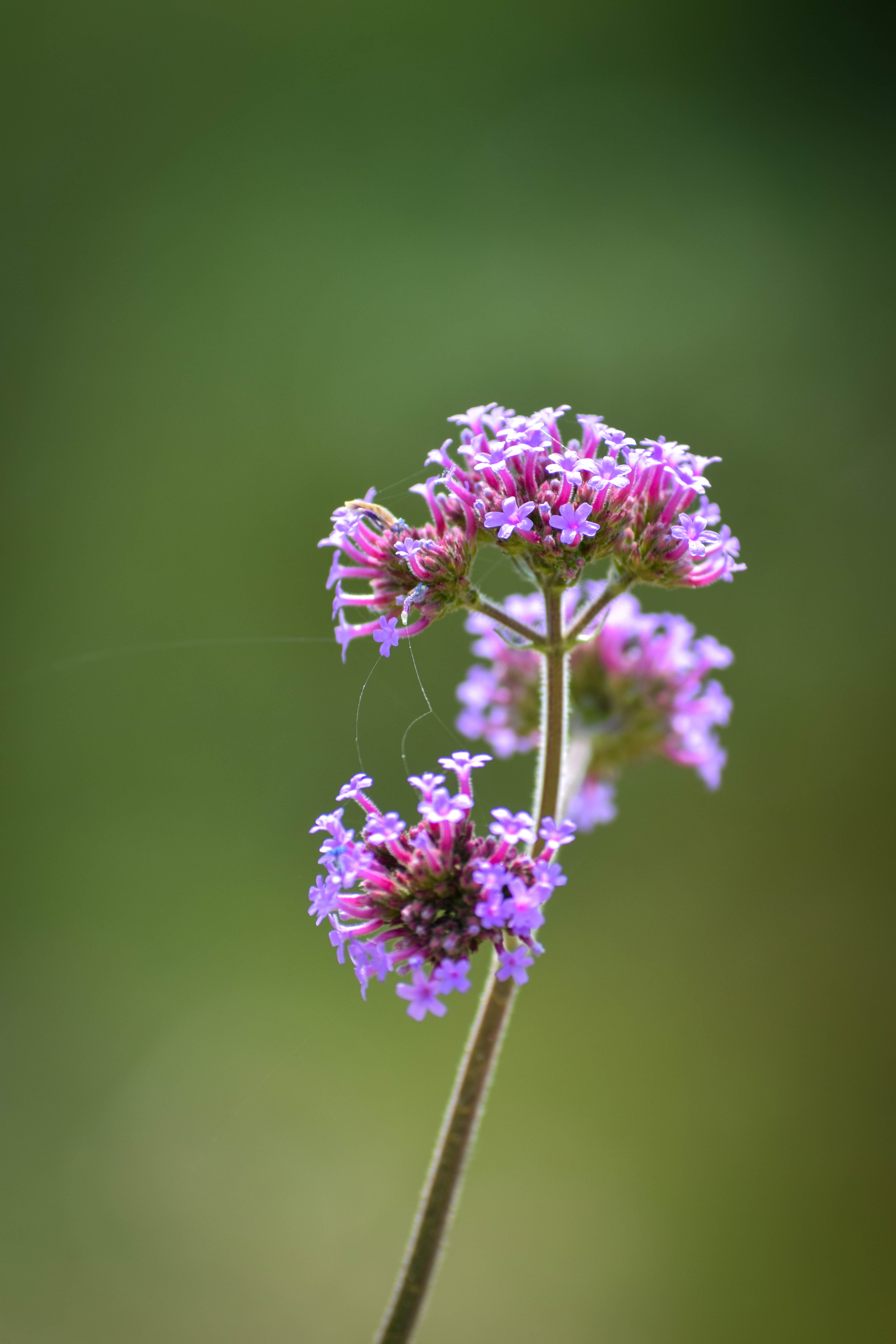
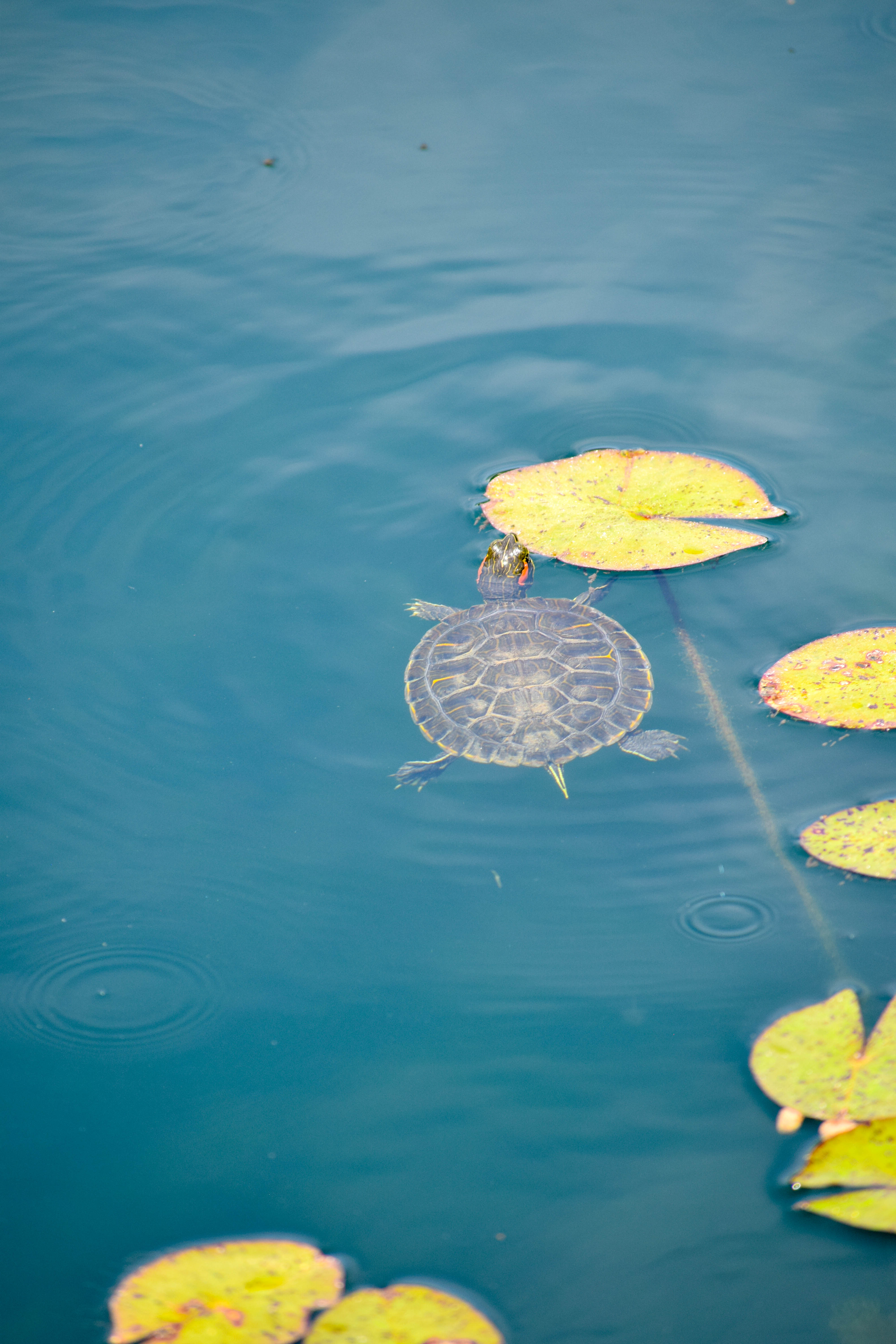
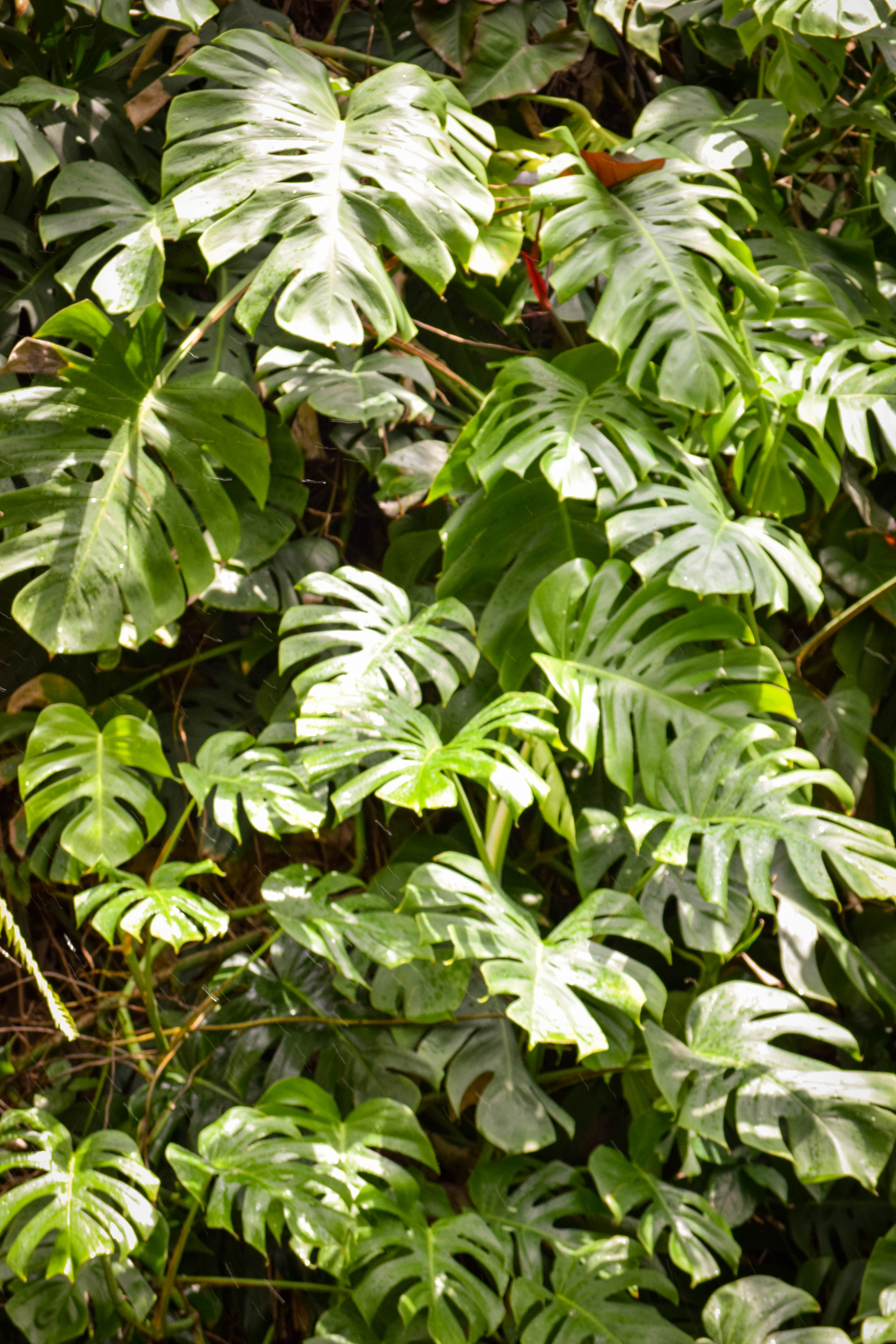
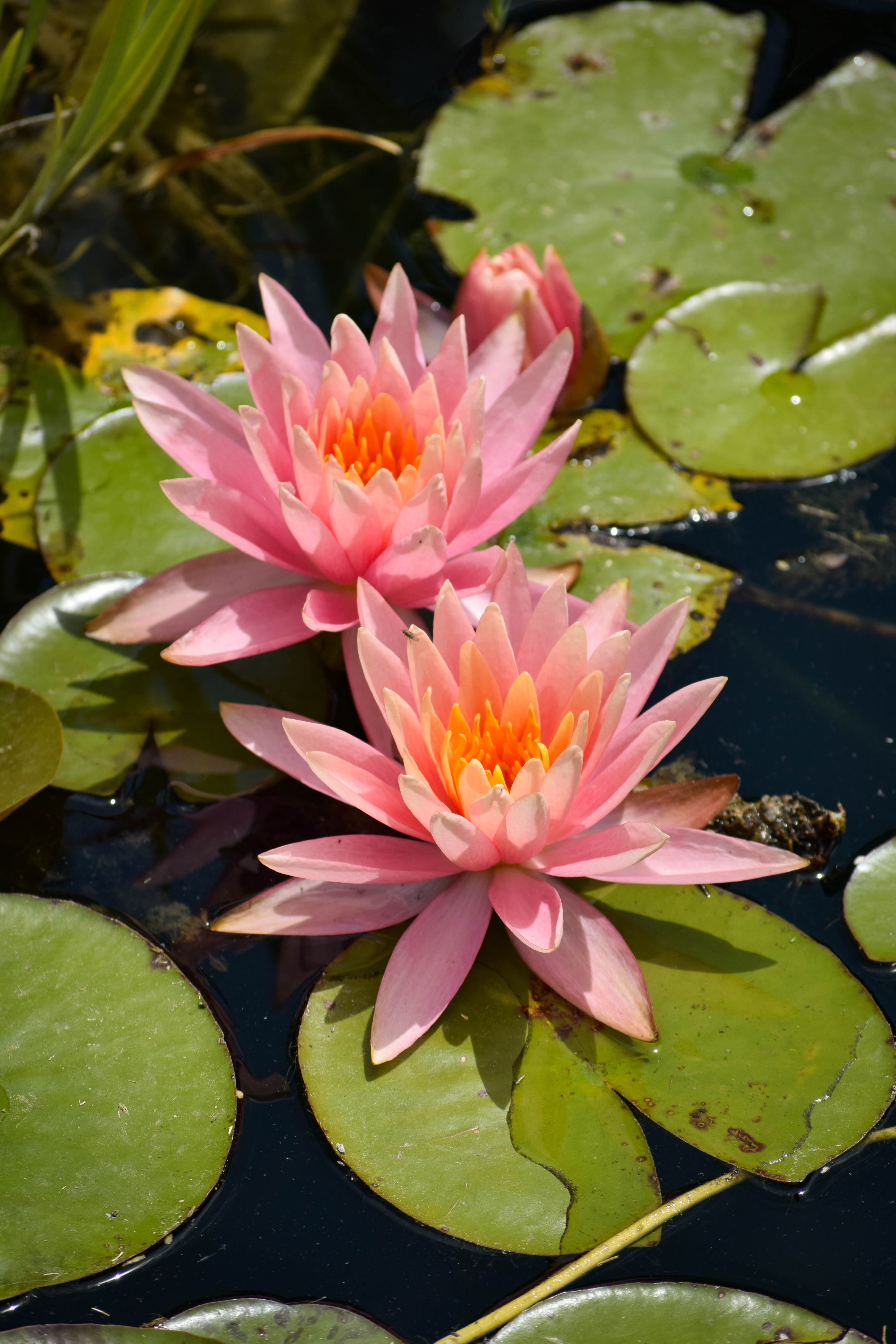
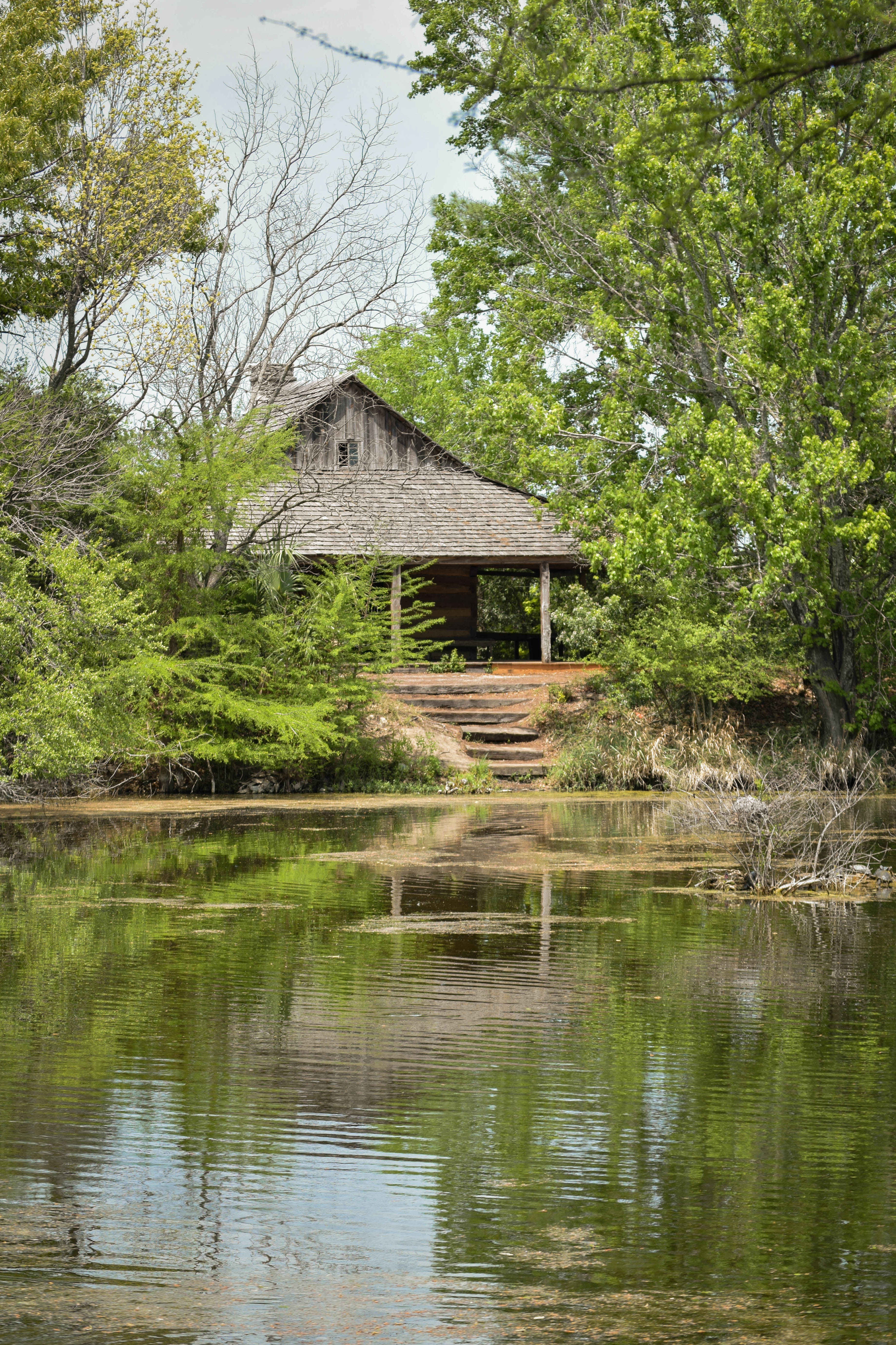
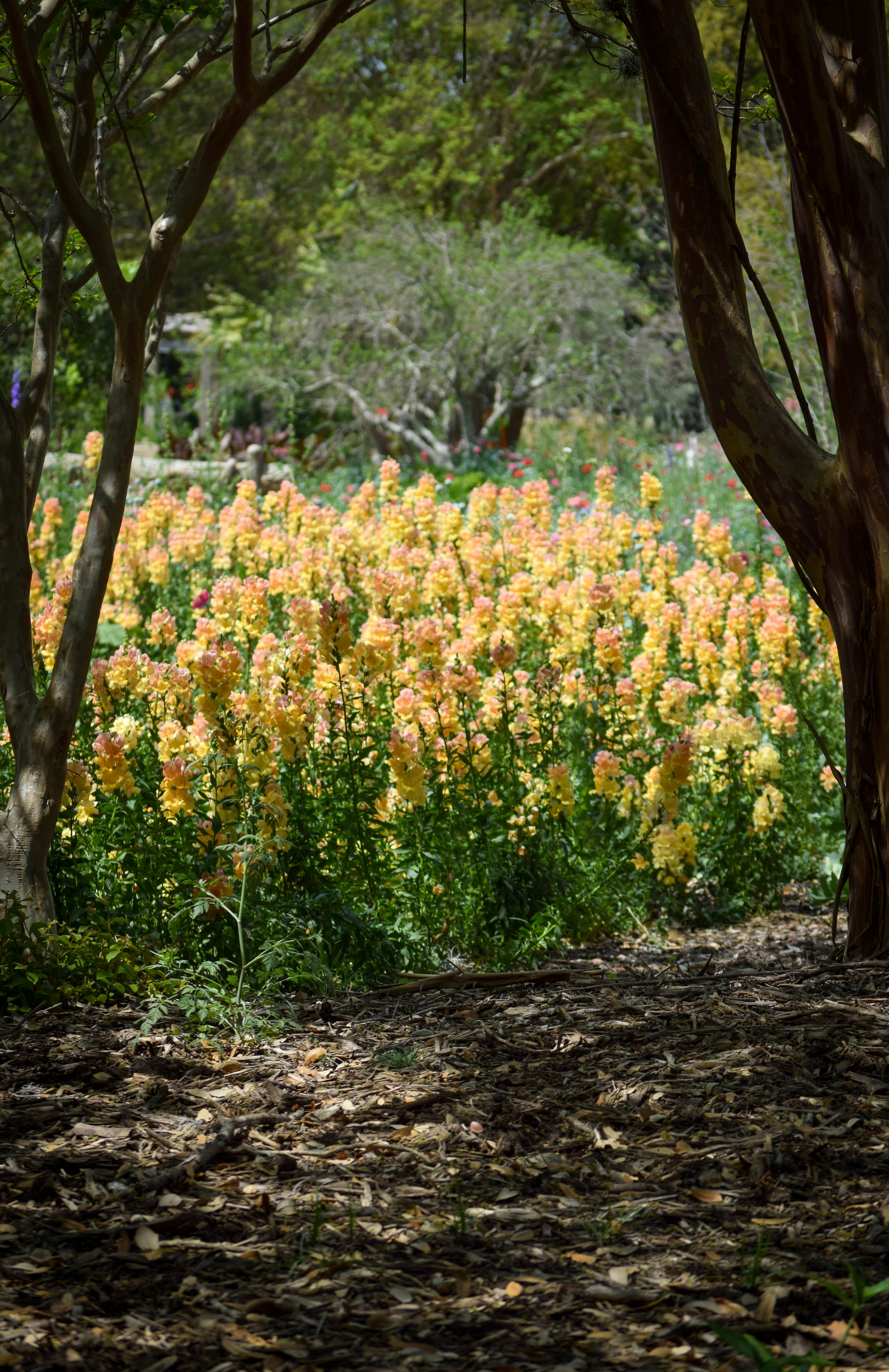
Following that is a gallery for my favorite DSLR shots, all shot on my Nikon D5300.


 Mumbler